Zinc Supplements for Skin Health: Myths, Facts, and Benefits
When it comes to maintaining healthy, glowing skin, zinc often comes up in conversations about essential nutrients. But is zinc really a miracle cure for acne and other skin issues, or is it just another trendy health supplement? Let's dive into the evidence, debunk myths, and discuss how you can benefit from zinc supplements for your skin health.
What is Zinc, and Why Does Your Skin Need It?
Zinc is a vital trace mineral involved in various bodily functions, including immune system support, wound healing, and skin cell regeneration. It also plays a critical role in controlling inflammation, which is often a major contributor to acne and other skin conditions.
While zinc is present in foods like oysters, beef, nuts, and seeds, many people turn to supplements to ensure they’re meeting their daily requirements, especially if skin issues like acne persist.
How Does Zinc Affect Your Skin?
- Acne Management: Zinc is known to regulate sebum production (the oil your skin produces). Excess sebum can clog pores, leading to acne. Studies have shown that zinc can reduce the severity of acne by controlling inflammation and bacterial growth.
- Wound Healing: Zinc enhances the repair of damaged skin and fosters the production of new cells, making it important for healing acne scars and other wounds.
- Inflammation Reduction: If your skin often feels irritated or inflamed, zinc's anti-inflammatory properties can help calm redness and swelling.
Myths About Zinc Supplements
Myth 1: Zinc Supplements Work Overnight
One common misconception is expecting instant results from zinc supplements. While zinc can be effective, it doesn’t work overnight. Skin regeneration is a slow process, typically taking several weeks to months before noticeable improvements emerge.
Myth 2: Zinc Alone Can Cure Acne
While zinc can support acne management, it’s not a standalone cure. Acne is often influenced by hormonal changes, genetics, diet, and skincare habits. Zinc works best as part of a comprehensive acne treatment plan, including proper skincare and diet.
Myth 3: More Zinc Means Better Skin
Taking excessive amounts of zinc won’t enhance its benefits for your skin—in fact, it can lead to adverse effects. Zinc toxicity can cause symptoms like nausea, stomach cramps, and disrupted absorption of other essential minerals like copper. Stick to recommended doses to avoid these issues.
Scientific Backing: What Does the Research Say?
Several studies have explored zinc’s role in skin health:
Zinc and Acne: A 2014 study published in Dermatology Research and Practice found that individuals with acne tend to have lower zinc levels compared to those with clear skin. Supplementing with zinc improved acne severity for many participants.
Topical Zinc: Research shows that topical zinc can also benefit acne-prone skin when combined with other ingredients like erythromycin. It’s often found in creams for its antimicrobial and anti-inflammatory properties.
Immune System Support: Zinc’s ability to boost immune function indirectly supports skin health by reducing infections and inflammation.
Practical Tips for Using Zinc Supplements
If you're considering zinc supplements for your skin, here’s how to do it safely and effectively:
1. Choose the Right Type of Zinc
Zinc comes in various forms, including zinc gluconate, zinc sulfate, and zinc picolinate. Zinc picolinate is often recommended for superior absorption, but all forms can be effective. Check labels carefully and consult your healthcare provider to choose the best type for your needs.
2. Stick to the Recommended Dosage
The recommended daily zinc intake for adults is approximately 8-11 mg, but doses of 25-30 mg per day are often used for acne treatment. Avoid exceeding 40 mg daily unless advised by your doctor, as this can lead to toxicity.
3. Pair Zinc with a Balanced Diet
Zinc supplements work best when combined with a zinc-rich diet. Include foods like pumpkin seeds, spinach, eggs, and lean meats to boost your intake naturally.
4. Monitor for Side Effects
Zinc supplements can sometimes cause nausea or upset stomach, especially when taken on an empty stomach. To minimize discomfort, take zinc with a meal.
5. Consider Topical Zinc
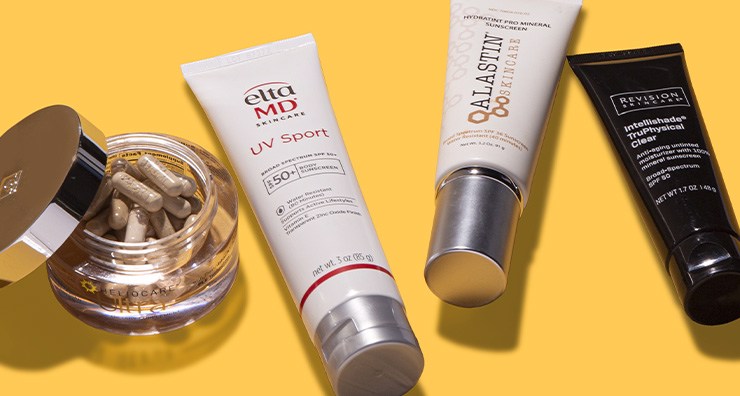
If oral supplements aren’t for you, look for skincare products containing zinc. Zinc oxide is commonly used in sunscreens and soothing creams, making it ideal for sensitive or acne-prone skin.
When to See a Dermatologist
While zinc can be a helpful addition to your routine, it’s important to consult a dermatologist if your skin issues persist or worsen. A professional can help identify underlying causes of acne or inflammation and recommend personalized treatments.
Final Thoughts: Is Zinc Right for You?
Zinc is undeniably a powerhouse nutrient for your skin, but it’s not a one-size-fits-all solution. By using zinc supplements responsibly and pairing them with healthy lifestyle choices, you can support your skin health effectively. Remember, patience is key—give your body time to respond and always prioritize safety by following recommended guidelines.
With the right approach, zinc can be a valuable ally in your skincare journey.
Key Takeaway: Zinc supplements are backed by science for their skin benefits, but they work best as part of a holistic skincare and wellness routine. Consult your doctor or dermatologist to determine whether zinc is the right choice for your needs.