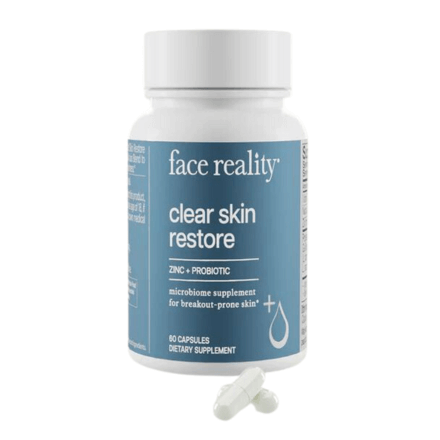
Why Zinc Matters for Skin Health
Zinc is a trace mineral essential for various bodily functions, including immune system support, wound healing, and cell growth. When it comes to skin health, zinc plays a key role in reducing inflammation, regulating oil production, and promoting the repair of damaged tissues. If you’ve been struggling with acne or other skin concerns, zinc supplements may offer a simple yet effective solution.
The Science Behind Zinc's Skin Benefits
1. Anti-Inflammatory Properties
Inflammation is a major contributor to many skin problems, including acne. Research has shown that zinc possesses anti-inflammatory properties that can help calm redness and swelling associated with pimples. A study published in Dermatology found that individuals with acne often have lower zinc levels in their bodies compared to those with clear skin.
2. Regulation of Sebum Production
Excess oil production, or sebum, often leads to clogged pores and acne breakouts. Zinc helps regulate the activity of sebaceous glands, ensuring your skin produces just the right amount of oil. By keeping sebum under control, zinc can help prevent the formation of blackheads and whiteheads.
3. Antioxidant Protection
Zinc is a potent antioxidant that protects your skin from damage caused by free radicals—unstable molecules that contribute to premature aging and skin irritation. This protection is especially beneficial for individuals exposed to pollution or UV radiation regularly.
4. Boosts Skin Healing
If you’re prone to picking at pimples or dealing with scars, zinc can accelerate the healing process of your skin. It supports cell regeneration and tissue repair, making it an excellent addition to your skincare routine.
Zinc Deficiency and Skin Problems
Zinc deficiency is surprisingly common, particularly among acne sufferers. Symptoms of zinc deficiency include:
- Persistent acne or breakouts
- Slow wound healing
- Inflamed or irritated skin
- Dry, flaky patches
If you suspect a zinc deficiency, it’s worth considering supplementation, but always consult with a healthcare provider first.
Types of Zinc Supplements for Skin
Choosing the right type of zinc supplement is essential for reaping its benefits. Here are the most common forms available:
1. Zinc Picolinate
This form is highly bioavailable, meaning your body absorbs it efficiently. Zinc picolinate is often recommended for skin health and acne prevention.
2. Zinc Gluconate
Another popular option, zinc gluconate, is widely available and gentle on the stomach, making it suitable for beginners.
3. Zinc Citrate
Zinc citrate is also well-absorbed and is a good choice for those seeking a balance between affordability and effectiveness.
4. Topical Zinc
If you’d prefer to avoid oral supplements, topical zinc (commonly found in creams or ointments) can deliver targeted relief to areas affected by acne or irritation.
How to Supplement Safely
While zinc is beneficial, excessive intake can lead to side effects such as nausea, vomiting, or headaches. To ensure safe supplementation:
- Stick to Recommended Doses: The daily recommended allowance (RDA) for adults is 8-11 mg. If taking supplements, avoid exceeding 40 mg of zinc per day unless directed by a healthcare provider.
- Take Zinc with Food: Zinc supplements can upset your stomach if taken on an empty stomach. Pair them with a meal or snack for optimal absorption.
- Avoid Long-Term Overuse: Prolonged high-dose zinc use can interfere with the absorption of other essential minerals like copper.
Foods Rich in Zinc
If supplements aren’t your thing, you can still boost your zinc intake by incorporating zinc-rich foods into your diet. Some excellent sources include:
- Shellfish (especially oysters)
- Beef and poultry
- Pumpkin seeds
- Legumes (chickpeas, lentils, etc.)
- Nuts (cashews, almonds)
Eating a balanced diet filled with these foods may complement your skincare routine without the need for pills.
Does Zinc Work for Everyone?
While zinc is effective for many, it’s not a one-size-fits-all solution. Factors such as your overall health, skin type, and the severity of your condition play a role in how well zinc works for you. For more severe forms of acne, a combination of zinc supplements and other treatments (like topical retinoids or prescription medications) may be necessary.
Practical Tips for Incorporating Zinc Into Your Routine
- Consult a Doctor: Always discuss supplementation with your healthcare provider, especially if you’re on other medications.
- Start Small: Begin with a lower dose and gradually increase if needed.
- Monitor Your Skin: Pay attention to any changes in your skin over time to determine if zinc is helping.
- Combine with a Healthy Lifestyle: Zinc supplements work best when paired with a balanced diet, proper hydration, and a consistent skincare routine.
Final Thoughts
Zinc supplements can be a game-changer for skin health, offering benefits like reduced inflammation, better oil regulation, and faster healing. Whether you choose oral supplements or opt for zinc-rich foods, this powerful mineral has the potential to transform your skin from the inside out. Remember, consistency is key, and pairing zinc with a healthy lifestyle will maximize its benefits.
If acne and skin concerns have been holding you back, consider giving zinc a try—and don’t forget to share your results with a healthcare professional to ensure you’re on the right track.
Disclaimer: This blog post is for informational purposes only and should not replace professional medical advice. Always consult with a healthcare provider before starting new supplements or treatments.