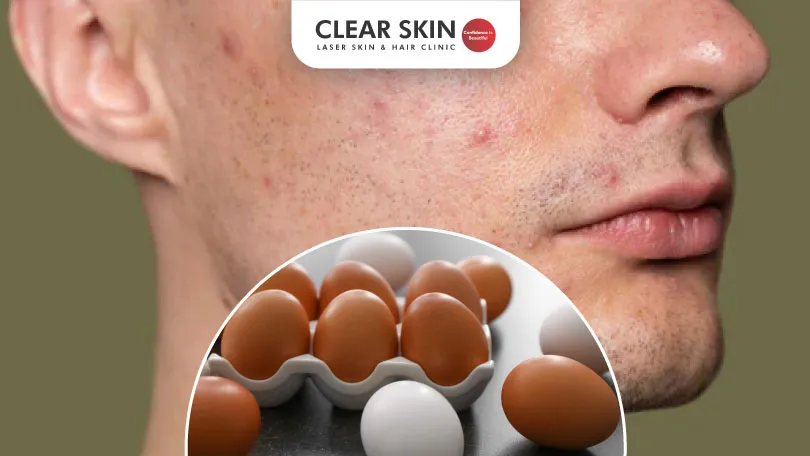
Unraveling Chin Acne: Natural Hormonal Remedies & Tips
Chin acne can be frustrating, especially when it feels like no matter what you do, those pesky spots keep reappearing. Often, the culprit behind chin acne is hormonal fluctuations. Understanding this link and adopting natural strategies can help you manage and potentially reduce chin acne effectively. Let's dive into the science and explore actionable natural remedies.
The Hormonal Connection
Acne on the chin and jawline is often linked to hormonal changes. This type of acne is more common in women and is typically influenced by fluctuations in hormones such as androgens. These can increase the production of sebum, an oily substance that can clog pores and lead to acne.
Scientific Insight
Research shows that androgens can stimulate the sebaceous glands, increasing oil production and causing acne. During puberty, menstruation, pregnancy, and menopause, hormonal levels can fluctuate significantly, leading to breakouts. 1
Natural Remedies for Hormonal Balance
While conventional treatments can be effective, some may prefer natural approaches to manage their hormonal chin acne. Here are some scientifically-backed remedies to consider:
1. Dietary Adjustments
What you eat can have a significant impact on your skin health. Consider incorporating the following dietary changes:
Reduce Dairy and High-GI Foods: Some studies suggest that high glycemic index (GI) foods and dairy products may exacerbate acne. Opt for low-GI foods like whole grains, and reduce or eliminate dairy to see if there's an improvement. 2
Omega-3 Fatty Acids: Foods rich in omega-3s, such as salmon, walnuts, and flaxseeds, have anti-inflammatory properties that may help reduce acne.
2. Herbal Supplements
Certain herbal supplements can help regulate hormones naturally:
Spearmint Tea: Spearmint has been shown to have anti-androgenic properties, which may help balance hormones and reduce acne. Drinking two cups a day may yield results over time. 3
Vitex (Chaste Tree Berry): Known for helping balance female hormones, vitex may be useful for those with hormone-related acne. However, consult with a healthcare provider before starting any supplements.
3. Stress Management
Stress triggers the release of cortisol, a hormone that can worsen acne. Implement stress-reduction techniques such as yoga, meditation, or even regular exercise to lower stress levels.
4. Natural Topical Treatments
Tea Tree Oil: With its antimicrobial properties, tea tree oil has been found to be as effective as benzoyl peroxide in reducing acne lesions. Apply a diluted solution to affected areas. 4
Aloe Vera: Known for its soothing properties, aloe vera can help reduce redness and inflammation associated with acne.
Practical Lifestyle Changes
Beyond natural remedies, consider these lifestyle adjustments:
Maintain a Consistent Skincare Routine: Cleanse your face twice daily with a gentle cleanser to keep your pores clear.
Avoid Touching Your Face: This can introduce bacteria to your skin and worsen acne.
Stay Hydrated: Drinking plenty of water helps keep your skin hydrated and can support your body's natural detoxification processes.
When to Seek Professional Help
If your chin acne persists despite trying these natural remedies, it might be time to consult a dermatologist. They can provide personalized advice and treatment options tailored to your skin's needs.
Conclusion
Chin acne, often driven by hormonal fluctuations, can be managed with a holistic approach. By understanding the underlying hormonal triggers and incorporating natural remedies and lifestyle changes, you can improve your skin health. Remember, consistency is key, and it may take time to see results.