Unlock Clear Skin: Retinoids for Acne Prevention & Treatment
Acne is more than just a skin condition; it's a battle that affects confidence and self-esteem. If you're on the quest for clear skin, retinoids might just be your ally. In this article, we'll delve into how retinoids can prevent and treat acne, supported by scientific facts and practical tips to incorporate them into your skincare regimen.
What Are Retinoids?
Retinoids are derivatives of vitamin A and are considered a gold standard in acne treatment. They work by promoting cell turnover, which helps prevent clogged pores—a common precursor to acne. Retinoids encompass a range of products, including over-the-counter retinol and prescription-strength forms like tretinoin and adapalene.
How Retinoids Work Against Acne
Retinoids target several acne-causing factors:
- Cell Turnover Acceleration: By speeding up skin cell turnover, retinoids help prevent dead skin cells from clogging pores.
- Anti-inflammatory Properties: Reducing inflammation is key in managing acne, and retinoids help calm irritated skin.
- Oil Production Regulation: They can reduce the size of oil glands, decreasing sebum production and preventing pores from becoming clogged.
A study published in the Journal of the American Academy of Dermatology found that topical retinoids are effective in reducing both inflammatory and non-inflammatory acne lesions. This dual action makes them a powerful tool in the fight against acne.
Types of Retinoids and Their Uses
Over-the-Counter Retinol
Retinol is milder and often found in anti-aging products. It's suitable for people with sensitive skin who want to ease into retinoid use. However, its effects are slower compared to prescription options.
Prescription Retinoids: Tretinoin and Adapalene
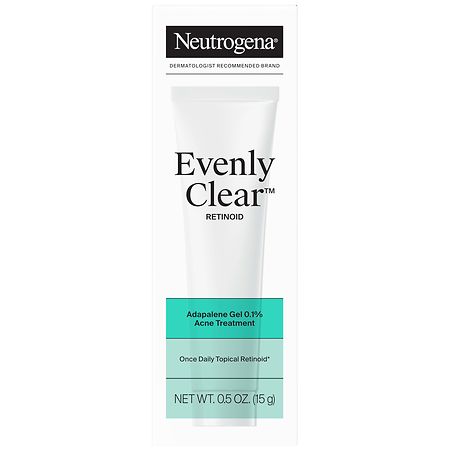
Tretinoin (Retin-A) is potent and effective but can initially cause dryness and irritation. Adapalene (Differin), available over the counter in some formulations, is often less irritating and can be a good starting point for beginners.
Tazarotene
Another potent option, tazarotene, is typically reserved for more severe cases due to its strength and potential for irritation.
Incorporating Retinoids Into Your Routine
Start Slowly
Introduce retinoids gradually into your skincare routine to minimize irritation. Start with a pea-sized amount every other night and increase frequency as your skin adjusts.
Be Patient
Retinoids are effective but require consistency and time. Visible improvements in acne may take 6-12 weeks. Patience is key!
Moisturize
Retinoids can be drying, so pair them with a good moisturizer. Look for products with hydrating ingredients like hyaluronic acid or ceramides.
Use Sunscreen
Retinoids can increase skin's sensitivity to the sun. Apply a broad-spectrum SPF 30 or higher daily to protect your skin from UV damage.
Potential Side Effects
- Irritation: Redness, peeling, and dryness are common initial reactions. These typically subside as your skin adjusts.
- Sensitivity: As retinoids make your skin more sensitive to UV rays, diligent sunscreen use is non-negotiable.
If irritation persists, consult a dermatologist. They might adjust your formulation or recommend an alternative treatment.
Who Should Avoid Retinoids?
Retinoids are generally safe but are not recommended for pregnant or nursing women due to potential risks. Always consult your healthcare provider before starting new treatments.
Conclusion
Retinoids are a potent ally in the fight against acne, offering a scientifically-backed approach to clearer, healthier skin. With gradual introduction, consistent use, and proper skincare practices, retinoids can help you achieve your acne-free goals. Remember, when in doubt, consult with a dermatologist to tailor a regimen that suits your unique skin needs.
Embrace the journey to clear skin with retinoids—your skin will thank you!