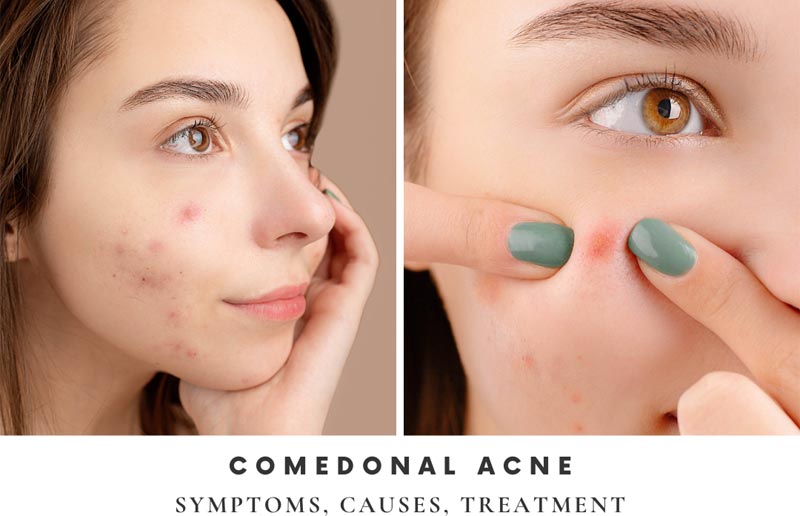
What is Comedonal Acne?
Comedonal acne is a common form of acne characterized by non-inflammatory lesions known as comedones. These typically appear as blackheads (open comedones) or whiteheads (closed comedones). Unlike other forms of acne that involve significant inflammation, comedonal acne usually lacks redness and swelling, making it a distinct subtype.
Causes of Comedonal Acne
Understanding the causes of comedonal acne is crucial for effective treatment. The primary factor is the blockage of hair follicles by dead skin cells and excess sebum (skin oil). This blockage can result from various factors including:
- Hormonal Changes: Particularly during puberty, hormonal fluctuations can increase sebum production.
- Genetics: A family history of acne can increase the likelihood of developing comedonal acne.
- Cosmetic Products: Using products that clog pores, known as comedogenic products, can exacerbate the condition.
- Environmental Factors: Pollution and humidity may worsen acne by contributing to clogged pores.
Evidence-Based Treatments
Over-the-Counter Solutions
For mild comedonal acne, over-the-counter (OTC) treatments can be very effective. Here are some evidence-based options:
- Salicylic Acid: Known for its ability to exfoliate the skin and unclog pores, salicylic acid is a common ingredient in acne cleansers and treatments.
- Benzoyl Peroxide: This helps to reduce bacteria on the skin and can complement other acne treatments.
- Retinoids: OTC retinoids, such as adapalene, encourage cell turnover and help keep pores clear.
Prescription Treatments
If OTC products do not provide adequate results, it may be time to consult a dermatologist for prescription treatments:
- Topical Retinoids: More potent than OTC versions, these can significantly improve skin cell turnover and prevent clogged pores.
- Oral Medications: For severe cases, medications such as isotretinoin may be considered, though typically used for more inflammatory types of acne.
Skincare Routine Tips
An effective skincare routine is essential for managing comedonal acne. Here’s a simple routine to consider:
- Cleanse Gently: Use a gentle, non-comedogenic cleanser twice daily to remove excess oil and impurities.
- Exfoliate Regularly: Incorporate a chemical exfoliant like salicylic acid a few times a week to keep pores clear.
- Moisturize: Choose a lightweight, non-comedogenic moisturizer to maintain skin hydration without clogging pores.
- Sun Protection: Apply a broad-spectrum sunscreen daily to protect skin and prevent post-acne marks.
Lifestyle and Diet Considerations
While skincare is important, lifestyle and diet can also impact acne:
- Diet: Some studies suggest that high-glycemic foods and dairy may exacerbate acne, so consider moderating these in your diet.
- Stress Management: Stress can influence hormone levels, potentially worsening acne. Practices such as meditation or yoga may help.
- Lifestyle Changes: Regular exercise can improve circulation and reduce stress, potentially benefiting skin health.
When to Seek Professional Help
If you're struggling with comedonal acne despite following an appropriate skincare routine and using OTC products, or if it begins to affect your confidence and quality of life, consider consulting a dermatologist. They can provide personalized advice and more potent treatments.
Conclusion
Comedonal acne, while common, can be effectively managed with the right approach. Understanding its causes and implementing a strategic skincare routine, complemented by lifestyle adjustments, can lead to clearer skin. Remember, patience and consistency are key, as results can take time to become apparent.
By taking proactive steps and, when needed, seeking professional guidance, you can minimize comedonal acne and enjoy healthier skin.