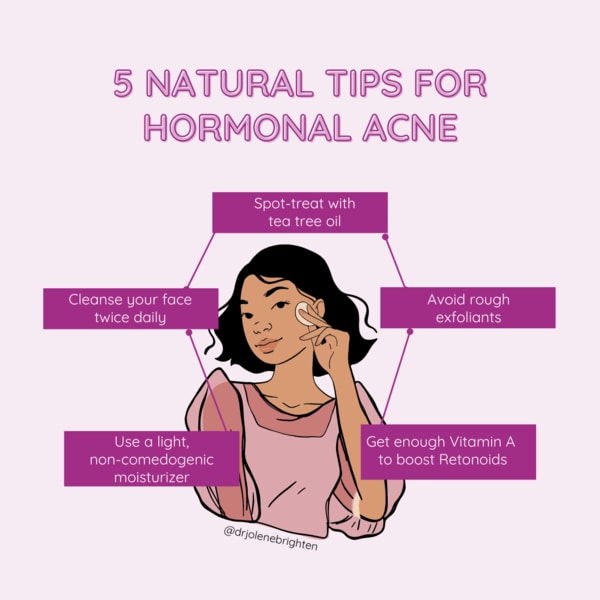
Understanding Chin Acne: The Hormonal Connection
If you're battling persistent chin acne, you're not alone. This common issue often has a deeper cause than just clogged pores. Hormones play a significant role in triggering acne, particularly on the lower face, jawline, and chin. Let’s delve into the science behind hormonal chin acne and practical ways to manage it effectively.
Why Does Chin Acne Occur?
Chin acne is often linked to hormonal fluctuations, especially androgen hormones like testosterone. Androgens can stimulate the sebaceous glands to produce excess oil (sebum). Too much sebum, combined with dead skin cells, clogs pores, creating an environment ripe for acne-causing bacteria (Propionibacterium acnes) to thrive.
Hormonal changes influencing chin acne can include:
- Puberty: Increased androgen production during adolescence commonly triggers acne.
- Menstrual Cycle: Many women notice chin breakouts during their luteal phase (just before menstruation) when progesterone and testosterone levels rise.
- Pregnancy and Postpartum: Hormonal shifts during pregnancy can increase skin sensitivity and acne.
- Polycystic Ovary Syndrome (PCOS): Elevated androgen levels are a hallmark of PCOS, often leading to persistent chin and jawline acne.
- Stress: Chronic stress causes a rise in cortisol, which can also indirectly affect androgen production.
Signs of Hormonal Chin Acne
While all acne shares similar characteristics, hormonal chin acne often has specific features:
- Location: Breakouts typically cluster around the chin, jawline, and lower cheeks.
- Type of Acne: It often manifests as deep, painful cysts or nodules rather than superficial whiteheads.
- Timing: For women, flare-ups often coincide with their menstrual cycle.
- Resistance to OTC Products: Hormonal acne may not respond to traditional over-the-counter treatments like salicylic acid or benzoyl peroxide.
How to Treat Hormonal Chin Acne
1. Adopt Targeted Skincare Products
While hormonal acne originates internally, choosing the right skincare can help manage symptoms.
- Topical Retinoids: Products containing retinoids encourage skin cell turnover, preventing clogged pores. Look for retinol or prescription-strength tretinoin.
- Acne-Fighting Ingredients: Benzoyl peroxide, salicylic acid, and azelaic acid can reduce bacterial growth and inflammation.
- Gentle Cleansers: Opt for non-comedogenic cleansers to keep your skin clean without stripping natural oils.
2. Consider Hormonal Treatments
For persistent hormonal acne, medical interventions may be necessary:
- Birth Control Pills: Certain oral contraceptives regulate hormone levels, effectively reducing acne. Look for FDA-approved options for acne treatment.
- Spironolactone: This oral medication blocks androgen receptors, decreasing sebum production.
- Accutane (Isotretinoin): In severe cases, a dermatologist may recommend isotretinoin, a powerful treatment that permanently reduces oil production.
3. Diet and Lifestyle Adjustments
Your diet and daily habits can influence hormonal balance:
- Eat Balanced Meals: Diets high in refined sugars and dairy can exacerbate hormonal acne. Focus on anti-inflammatory foods like whole grains, vegetables, and omega-3 fatty acids.
- Stay Hydrated: Drinking plenty of water helps flush toxins and promote skin health.
- Manage Stress: Incorporate stress-reducing practices like meditation, yoga, or regular exercise to regulate cortisol levels.
4. Support Skin Health with Supplements
Certain vitamins and minerals may improve hormonal acne:
- Zinc: Known for its anti-inflammatory properties, zinc can reduce acne severity.
- Omega-3 Fatty Acids: Found in fish oil, these fats regulate inflammation and support hormonal balance.
- Vitex (Chasteberry): This herbal supplement is believed to help balance female hormones, reducing premenstrual acne.
Skincare Routine for Hormonal Chin Acne
Here’s a simple, effective skincare routine:
Morning Routine:
- Cleanse with a gentle, non-comedogenic cleanser.
- Apply a lightweight moisturizer with SPF (sun protection is crucial).
- Use a serum with niacinamide to soothe inflammation.
Evening Routine:
- Double cleanse if wearing makeup (start with an oil-based cleanser).
- Apply a topical treatment with benzoyl peroxide or salicylic acid.
- Use a retinal-based serum or cream if prescribed.
- Finish with a hydrating, non-greasy moisturizer.
When to See a Dermatologist
If hormonal chin acne persists despite your best efforts or significantly impacts your quality of life, consulting a dermatologist is essential. A professional can offer tailored treatments such as prescription medications, chemical peels, or laser therapy.
Final Thoughts
Chin acne caused by hormonal fluctuations can be frustrating, but it’s manageable with a combination of skincare, medical interventions, and lifestyle changes. By understanding the root causes and tailoring your approach, you can achieve clearer, healthier skin. Remember, every skin journey is unique—don’t hesitate to seek professional guidance for persistent acne.
Key Takeaways
- Hormonal changes are a common trigger for chin acne.
- Combine targeted skincare, hormonal treatments, and lifestyle adjustments for effective management.
- Consult a dermatologist for severe or unresponsive acne.
No matter where you're starting, clearer skin is achievable with the right knowledge and consistent care. Stay patient and kind to yourself along the way!