Understanding Chin Acne: The Hormonal Connection Explained
Acne is a frustrating skin condition that can affect people of all ages, and chin acne, in particular, often presents unique challenges. If you're noticing persistent breakouts around your chin area, hormones might be the underlying cause. In this article, we'll explore the connection between chin acne and hormones, backed by scientific evidence, and discuss actionable steps to help you achieve clearer skin.
Why Does Chin Acne Happen?
Chin acne often falls under the category of hormonal acne. This type of acne is primarily driven by fluctuations in hormones, such as estrogen, progesterone, and testosterone. These hormones can stimulate oil production in the skin, leading to clogged pores and inflammation, which ultimately result in acne.
Hormonal acne is most commonly associated with:
- Puberty: Rising androgen levels during adolescence can increase oil production.
- Menstrual Cycle: Many women experience chin acne flare-ups during certain phases of their cycle, usually a week before menstruation.
- Pregnancy: Hormonal shifts during pregnancy can lead to breakouts.
- Hormonal Imbalances: Conditions like polycystic ovary syndrome (PCOS) can cause persistent chin acne due to elevated androgen levels.
- Stress: Stress triggers cortisol production, which can indirectly influence other hormones and worsen acne.
The Science Behind Hormonal Acne
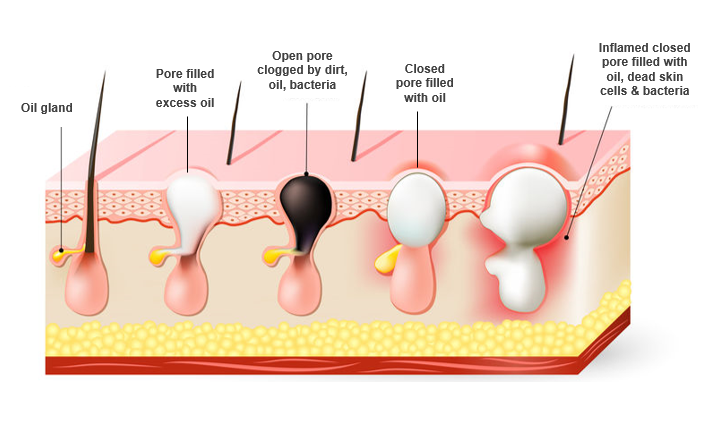
The sebaceous glands in the skin are particularly sensitive to androgens (male hormones like testosterone). When androgen levels rise or fluctuate, the sebaceous glands produce excess sebum (oil). This excess oil combines with dead skin cells and bacteria, often resulting in clogged pores and acne. Research suggests that hormonal acne tends to appear in the lower third of the face, including the chin, jawline, and neck.
Furthermore, inflammation plays a major role in the severity of acne. Hormonal changes increase inflammatory markers in the skin, causing swollen, red, and painful lesions often seen with chin acne.
Recognizing Chin Acne Symptoms
Chin acne typically manifests in specific ways:
- Cystic Acne: Deep, painful cysts beneath the skin's surface.
- Pimples: Inflamed red bumps or pustules with whiteheads on top.
- Blackheads: Small black spots caused by clogged pores.
- Recurring Breakouts: Persistent acne that flares cyclically, often in sync with hormonal changes.
Treating Chin Acne: Practical Tips
Managing chin acne requires a combination of strategies that address both hormonal and external factors. Here are some effective treatments and lifestyle changes to consider:
1. Consult a Dermatologist
If chin acne persists or worsens, schedule an appointment with a dermatologist. They may recommend medication or suggest specific treatments tailored to your skin’s needs, such as:
- Oral Contraceptives: Birth control pills containing estrogen and progesterone can regulate hormones and reduce androgen activity, helping manage hormonal acne.
- Spironolactone: This oral medication blocks androgen receptors, reducing oil production.
- Topical Retinoids: Retinoids like tretinoin promote cell turnover and unclog pores, effectively treating acne.
- Benzoyl Peroxide: Targets acne-causing bacteria and reduces inflammation.
2. Adopt a Hormone-Friendly Skincare Routine
A consistent skincare routine can help prevent acne flare-ups. Focus on gentle, non-comedogenic products.
- Cleanse Twice Daily: Use a mild, sulfate-free cleanser to remove excess oil and impurities.
- Moisturize: Even oily skin needs hydration. Opt for lightweight, oil-free moisturizers.
- Exfoliate: Incorporate chemical exfoliants like salicylic acid to unclog pores and reduce inflammation.
- Sun Protection: Apply a broad-spectrum sunscreen daily to prevent post-acne dark spots.
3. Balance Your Diet
Diet plays a role in managing hormonal acne. Certain foods can affect hormone levels and exacerbate acne.
- Reduce Dairy: Studies suggest that dairy, especially skim milk, may contribute to acne due to hormones present in milk.
- Limit Sugary Foods: High-glycemic foods can spike insulin levels, which might influence androgen production.
- Focus on Anti-inflammatory Foods: Include omega-3-rich foods like salmon, walnuts, and chia seeds to reduce inflammation.
4. Manage Stress Effectively
Since stress impacts hormones like cortisol, managing stress is crucial for acne prevention:
- Practice mindfulness techniques such as yoga or meditation.
- Engage in regular physical activity to lower stress hormone levels.
- Ensure adequate sleep to support hormonal balance.
5. Track Your Cycle
If you notice cyclical flare-ups, track your menstrual cycle to identify patterns. This can help you anticipate and prepare for breakouts by adjusting your skincare routine during high-risk times.
Common Mistakes to Avoid
While treating chin acne, steer clear of the following pitfalls:
- Overwashing: Excessive cleansing can strip the skin, leading to more oil production.
- Picking and Popping Pimples: This increases the risk of scarring and infection.
- Using Harsh Products: Products with alcohol or fragrances can irritate sensitive skin.
- Skipping Sunscreen: Sun exposure can worsen dark spots and prolong healing.
When Should You Seek Professional Help?
If chin acne becomes severe or significantly affects your self-esteem, seek professional advice. Persistent, painful cysts or nodules may require specialized treatments, such as hormonal therapy or laser procedures. Additionally, hormonal testing may be necessary to rule out underlying conditions like PCOS.
Final Thoughts
While chin acne can be frustrating, understanding its hormonal roots provides clarity and helps you implement the right strategies to treat it effectively. Combining professional guidance, a tailored skincare routine, and healthy lifestyle choices can make a significant difference in managing hormonal breakouts. Be patient with your skin, and remember that consistent care is key to achieving long-term results.
If chin acne is a recurring issue for you, consider discussing your symptoms with a dermatologist to create a personalized treatment plan. You deserve to feel confident in your skin, and with the right approach, clearer days are ahead.
What are your favorite tips for managing chin acne? Share your thoughts in the comments below!