What Causes Chin Acne?
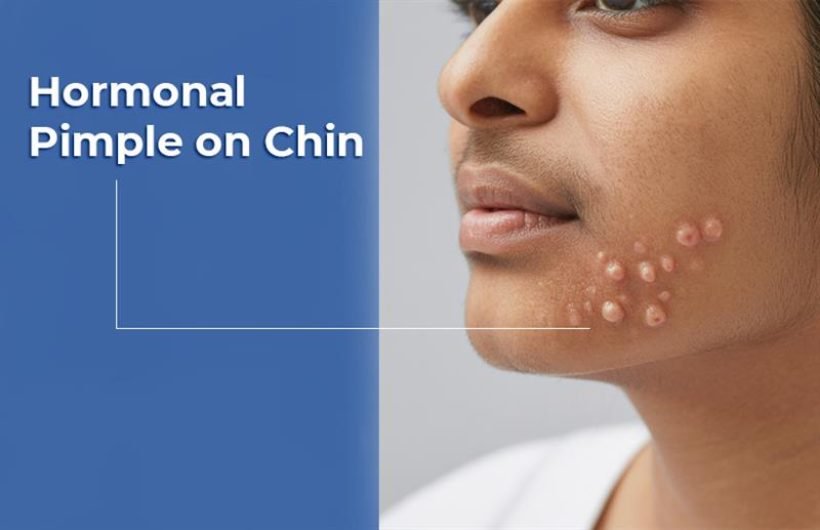
Chin acne is one of the most frustrating types of breakouts, often showing up as painful, inflamed blemishes. While acne can affect various areas of the face, the chin is particularly prone to hormonal influence. Understanding the connection between hormones and chin acne is key to preventing and managing these pesky breakouts.
The Hormonal Connection
Hormones play a significant role in many bodily processes, including skin health. The chin is part of the “hormonal zone” of your face — an area particularly susceptible to fluctuations in hormones. Here’s why:
Androgens and Oil Production: During hormonal changes, such as puberty, menstrual cycles, pregnancy, or even stress, the body produces higher levels of androgens. These hormones stimulate sebaceous glands to produce excess oil (sebum), which can clog pores and lead to acne.
Menstrual Cycle-Related Breakouts: Many women experience flare-ups on their chin and jawline right before or during their period. This happens when estrogen levels drop and progesterone and testosterone become more dominant, triggering increased oil production and inflammation.
Stress Hormones: Elevated cortisol levels from stress can indirectly affect other hormones, exacerbating acne. Stress also contributes to inflammation, making existing acne worse.
Polycystic Ovary Syndrome (PCOS): Some women experience hormonal chin acne as a symptom of PCOS, a condition characterized by hormonal imbalances and cyst formation on the ovaries.
How to Prevent Chin Acne
While hormonal fluctuations can’t always be avoided, there are steps you can take to minimize their impact on your skin health. Here are actionable tips to prevent chin acne:
1. Maintain a Consistent Skincare Routine
A solid skincare routine can help keep pores clear and reduce the likelihood of breakouts. Focus on:
- Cleansing: Wash your face twice daily with a gentle cleanser to remove excess oil and dirt.
- Exfoliating: Use a chemical exfoliant containing salicylic acid or glycolic acid 2-3 times per week to unclog pores and remove dead skin cells.
- Moisturizing: Choose a lightweight, non-comedogenic moisturizer to hydrate your skin without clogging pores.
- Spot Treatments: Use products with benzoyl peroxide or tea tree oil to target blemishes as they arise.
2. Balance Your Hormones
If hormonal imbalances are contributing to your chin acne, addressing them can help. Consider:
- Dietary Changes: Eat a balanced diet rich in whole foods, fruits, vegetables, and healthy fats. Avoid excessive sugar and dairy, as these can exacerbate acne for some individuals.
- Regular Exercise: Physical activity helps regulate hormones, improve circulation, and reduce stress.
- Supplements: Talk to your doctor about supplements like zinc, omega-3 fatty acids, and probiotics, which can support hormonal balance and skin health.
3. Manage Stress Levels
Chronic stress can wreak havoc on your hormones and skin. Practice stress-relief techniques like:
- Meditation or mindfulness exercises
- Journaling
- Regular physical activity
- Getting adequate sleep (7-9 hours per night)
4. Avoid Skin Irritants
Certain habits and products can irritate the chin area and contribute to acne. Avoid:
- Touching your face frequently
- Using dirty phone screens that press against your chin
- Wearing tight or dirty masks, as maskne (mask acne) can worsen chin breakouts.
5. Consult a Dermatologist
For persistent chin acne, consulting a dermatologist is crucial. They may recommend:
- Prescription Topicals: Retinoids, antibiotics, or azelaic acid can help reduce inflammation and unclog pores.
- Hormonal Therapies: Birth control pills or spironolactone may be prescribed to regulate hormonal fluctuations.
- In-Office Treatments: Procedures like chemical peels or light therapy can target stubborn acne.
Lifestyle Habits That Support Clear Skin
In addition to targeted treatments, adopting healthy lifestyle habits can make a big difference in preventing chin acne:
- Hydrate: Drink plenty of water daily to flush out toxins and maintain skin hydration.
- Wash Bedding and Towels Regularly: Dirty fabrics can transfer bacteria to your skin.
- Choose Makeup Wisely: Opt for non-comedogenic and oil-free cosmetics.
Final Thoughts
Chin acne can be incredibly frustrating, but understanding its hormonal roots gives you the tools to tackle it effectively. By maintaining a consistent skincare routine, balancing your hormones, and embracing healthy habits, you can significantly reduce breakouts and improve your skin’s overall health. Remember, patience is key — acne management is a gradual process, and small daily steps can lead to big improvements over time.
If your chin acne persists despite your best efforts, don’t hesitate to seek professional guidance. Dermatologists can offer tailored solutions to help you achieve the clear skin you deserve.
Have more questions about acne management or skincare? Drop them in the comments below, and we’ll be happy to help!