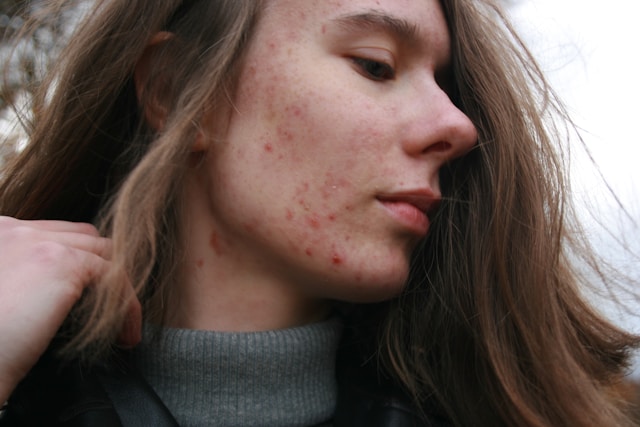
What Causes Chin Acne?
Chin acne can be frustrating, especially when it feels like no skincare routine is helping. If you've noticed persistent breakouts in this area, your hormones might play a significant role. Chin acne is often linked to hormonal fluctuations, making it a common concern for teens, pregnant women, and even adults dealing with stress or hormonal disorders. But understanding the root cause can help you manage and reduce these blemishes effectively.
The Connection Between Hormones and Chin Acne
Hormones can wreak havoc on your skin, especially the androgens (like testosterone). These hormones increase oil production in the sebaceous glands, which can clog pores and lead to acne. Here's when hormonal fluctuations are most common:
- Puberty: During adolescence, hormonal activity skyrockets, often leading to acne along the jawline and chin.
- Menstrual Cycle: Many women notice chin acne flare-ups a week or so before their period due to changes in estrogen and progesterone levels.
- Pregnancy: Hormonal shifts during pregnancy can cause acne in some women, particularly during the first trimester.
- Stress: Chronic stress increases cortisol, which can indirectly stimulate oil production and worsen acne.
- PCOS (Polycystic Ovary Syndrome): Women with PCOS often experience hormonal imbalances that lead to chin and jawline acne.
Practical Tips for Managing Hormonal Chin Acne
While hormonal acne can be challenging to treat, it’s not impossible. Below are actionable strategies that target both internal and external causes:
1. Adopt a Hormone-Friendly Diet
A balanced diet can make a big difference in managing hormonal chin acne. Focus on these key areas:
- Limit Dairy Products: Studies suggest dairy might exacerbate acne due to its influence on hormone levels.
- Reduce Sugar and Refined Carbs: High-glycemic foods can spike insulin levels, which can worsen androgen activity and acne.
- Include Zinc-Rich Foods: Zinc is an essential mineral for skin health. Foods like nuts, seeds, and lentils may help.
- Eat Omega-3 Fatty Acids: Foods like salmon, flaxseed, and walnuts can reduce inflammation and balance hormones.
2. Maintain a Consistent Skincare Routine
Proper skincare can help manage chin acne, even if hormones are the underlying issue. Key tips include:
- Use Salicylic Acid or Benzoyl Peroxide: These ingredients help clear pores and reduce inflammation.
- Avoid Over-Exfoliating: Stick to gentle exfoliation 1-2 times per week to avoid irritation.
- Don’t Skip Moisturizer: Even oily skin needs hydration. Opt for non-comedogenic formulas.
- Apply Sunscreen Daily: Protect your skin from UV damage, which can worsen acne scars.
3. Manage Stress Levels
Since stress can worsen hormonal acne, finding ways to relax is critical. Try:
- Meditation or Yoga: Regular practice can reduce stress and improve hormonal balance.
- Adequate Sleep: Poor sleep disrupts hormone regulation, so aim for 7-9 hours per night.
- Exercise Regularly: Physical activity lowers cortisol and boosts overall skin health.
4. Consider Hormonal Treatments
If chin acne is persistent and severe, hormonal treatments might be worth exploring:
- Birth Control Pills: Certain oral contraceptives regulate hormone levels and can help reduce acne in women.
- Anti-Androgen Medications: Drugs like spironolactone block androgen activity and reduce oil production.
- Consult a Dermatologist: For personalized advice and prescription treatments, seek professional guidance.
When to Seek Professional Help
If your chin acne doesn't improve despite lifestyle changes and over-the-counter treatments, it may be time to see a dermatologist. Persistent or cystic acne often requires medical intervention, such as prescription topical treatments, antibiotics, or hormone-regulating medications. Additionally, if you suspect an underlying condition like PCOS, consult an endocrinologist or gynecologist for a thorough evaluation.
Final Thoughts
Chin acne often stems from hormonal imbalances, but with the right approach, you can take control of your skin. By addressing triggers like diet, stress, and skincare, you'll be well on your way to clearer skin. Remember, patience is key—acne treatments often take several weeks to show results. If you're feeling stuck, don't hesitate to reach out for professional advice. Your journey to healthier skin starts with understanding your body's unique needs.
Have questions about chin acne? Let us know in the comments below, or share your favorite tips for managing hormonal breakouts!