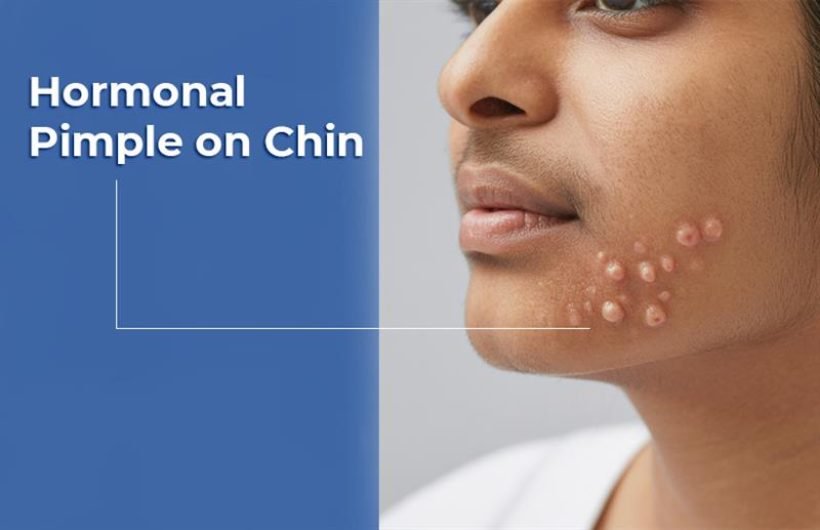
Understanding Chin Acne: Is Hormonal Imbalance to Blame?
If you've been struggling with persistent acne on your chin, you're not alone. Chin acne often falls under the category of hormonal acne—a type influenced by fluctuations in your body's hormones. But why does acne seem to favor the chin area, and what can you do about it? In this article, we'll dive into the science behind hormonal chin acne and provide actionable advice to help you take control of your skin.
Why Does Chin Acne Occur?
The chin is part of what's known as the "hormonal zone" of the face, including the jawline and lower cheeks. Acne in these areas is typically linked to hormonal fluctuations, particularly changes in androgens like testosterone. Androgens stimulate the sebaceous glands, leading to increased oil (sebum) production. Excess oil combined with dead skin cells and bacteria can clog pores and trigger inflammation.
Common Causes of Hormonal Fluctuations:
- Menstrual Cycle: Many women experience chin acne right before their period due to a drop in estrogen and a relative spike in testosterone.
- Polycystic Ovary Syndrome (PCOS): This hormonal disorder often leads to elevated androgen levels, contributing to persistent chin acne.
- Stress: Chronic stress triggers the release of cortisol, which can indirectly influence other hormones, worsening acne.
- Diet: High-glycemic foods and dairy products are known to influence insulin levels, which may impact androgen activity.
- Hormonal Medications: Certain birth control methods or hormonal therapies can exacerbate acne.
How Can You Treat Hormonal Chin Acne?
The good news is that hormonal chin acne can be managed with a combination of skincare products, lifestyle changes, and sometimes medical interventions. Let’s break down the best strategies for achieving clearer skin.
1. Adopt a Hormone-Friendly Skincare Routine
Your skincare routine plays a crucial role in managing acne. Keep in mind that hormonal acne tends to be inflamed, so your routine should focus on calming the skin and preventing clogged pores.
Key Products to Use:
- Gentle Cleanser: Look for non-comedogenic cleansers with salicylic acid to clear pores and reduce inflammation.
- Topical Retinoids: These vitamin A derivatives, such as adapalene or tretinoin, promote cell turnover and prevent blockages.
- Benzoyl Peroxide: Helps to kill acne-causing bacteria, though it may be too drying for sensitive skin.
- Moisturizer: Even oily skin needs hydration! Choose lightweight, oil-free options.
- Sunscreen: Use a non-comedogenic sunscreen daily to protect your skin and prevent post-acne hyperpigmentation.
2. Focus on Hormonal Balance
Since chin acne is closely tied to your hormonal health, addressing the root cause is key. Here are some ways to balance hormones naturally:
Lifestyle Changes:
- Nutrition: Prioritize anti-inflammatory foods like leafy greens, fatty fish, and whole grains. Avoid high-glycemic foods and limit dairy intake.
- Exercise: Regular physical activity helps regulate hormones and reduce stress.
- Stress Management: Try yoga, meditation, or breathing exercises to lower cortisol levels.
- Sleep Hygiene: Poor sleep can disrupt hormonal balance, so aim for 7-9 hours of quality sleep per night.
Hormonal Treatments:
For cases of severe hormonal acne, consult a dermatologist or endocrinologist. They may recommend:
- Oral Contraceptives: Certain birth control pills can stabilize hormones and reduce acne.
- Anti-Androgen Medications: Spironolactone is often prescribed to lower androgen levels and treat hormonal acne.
- Insulin-Sensitizing Drugs: Medications like metformin may be helpful for PCOS-related acne.
When to See a Dermatologist
While mild hormonal chin acne can often be managed at home, persistent or severe acne may require professional intervention. Seek a dermatologist’s advice if:
- Your acne is painful and cystic.
- Over-the-counter treatments aren't working.
- You suspect an underlying hormonal disorder like PCOS.
A dermatologist can also perform procedures like chemical peels or steroid injections to reduce inflammation quickly.
Frequently Asked Questions About Chin Acne
1. Can chin acne be cured permanently?
While hormonal fluctuations can be lifelong, acne can often be managed effectively with consistent care and appropriate treatments.
2. Does diet really impact chin acne?
Yes, studies show that high-glycemic diets and dairy consumption can influence hormonal activity and exacerbate acne.
3. Are natural remedies effective for hormonal chin acne?
Some natural remedies, like green tea extract or tea tree oil, may provide mild relief, but they are not substitutes for evidence-based treatments.
Final Thoughts: Taking Control of Hormonal Chin Acne
Chin acne, while frustrating, is manageable with the right approach. Focus on balancing your hormones through a healthy lifestyle, use science-backed skincare products, and don't hesitate to seek professional help when needed. Remember, patience is key—most treatments take time to show results. Stick to your routine, and clearer skin is within reach.
If you have any questions or need personalized advice, feel free to reach out to a dermatologist for tailored care.
Share your thoughts: Are you currently dealing with chin acne? Let us know your experiences and tips in the comments below!