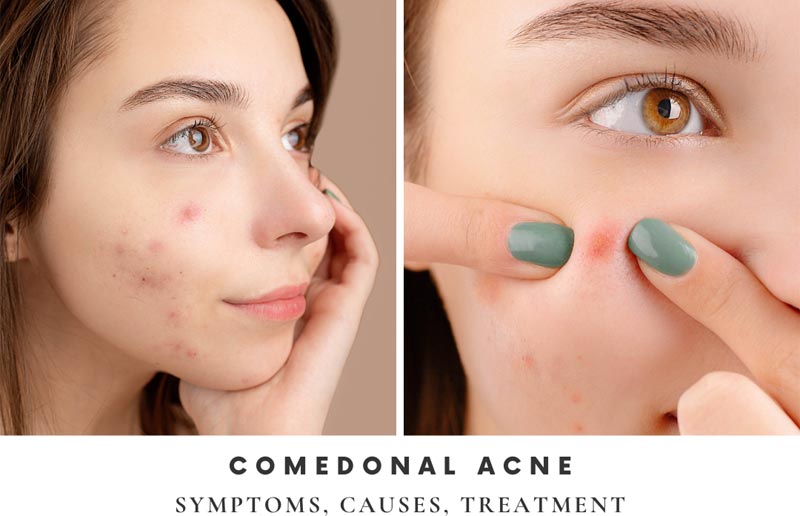
Understanding Comedonal Acne
Comedonal acne is a common type of acne characterized by the presence of comedones, which are clogged hair follicles in the skin. Unlike inflammatory acne, comedonal acne involves blackheads and whiteheads rather than red, swollen pimples. Blackheads are open comedones, while whiteheads are closed comedones. These occur when sebum (an oily substance produced by your skin), dead skin cells, and debris block your pores.
Why Choose Natural Remedies?
Many individuals prefer natural remedies for managing comedonal acne due to their gentle nature and minimal side effects. Natural treatments can be effective, especially for mild cases, and often complement traditional treatments. It's important to remember that everyone's skin is unique, so results may vary.
Tea Tree Oil: Nature’s Antiseptic
Tea tree oil is renowned for its antimicrobial properties. According to a study published in the Medical Journal of Australia, a 5% tea tree oil gel was as effective as a 5% benzoyl peroxide lotion in treating acne, though it worked more slowly. To use this remedy, dilute a few drops of tea tree oil with a carrier oil, such as jojoba or coconut oil. Apply sparingly to the affected areas to avoid irritation.
The Power of Aloe Vera
Aloe vera is celebrated for its soothing and healing properties. A study published in the Journal of Dermatological Treatment found that combining aloe vera with tretinoin was more effective than tretinoin alone in reducing acne lesions. Aloe vera can be applied directly from the leaf or used in gel form. It helps reduce redness and swelling associated with acne.
Green Tea: Antioxidant Rich
Green tea is packed with antioxidants and can help reduce sebum production. A 2016 study in the Journal of Investigative Dermatology showed that a lotion containing 2% green tea extract reduced acne lesions significantly. Applying cooled green tea bags or using a green tea lotion can help improve skin health.
Witch Hazel: Nature’s Astringent
Witch hazel is often used as a natural astringent to tighten pores and reduce inflammation. A study in the International Journal of Cosmetic Science highlighted its benefits in reducing oiliness. You can apply witch hazel using a cotton pad, focusing on oily areas to prevent excessive dryness.
Honey: A Sweet Solution
Raw honey, particularly Manuka honey, has natural antibacterial properties and can help in skin healing. Applying a thin layer of honey as a mask can moisturize and eliminate bacteria. Leave it on for about 20 minutes before rinsing off with warm water.
Oatmeal: Gentle Exfoliation
Oatmeal is a gentle exfoliant that can help remove dead skin cells and reduce inflammation. A study in the Journal of Drugs in Dermatology emphasized its effectiveness in soothing skin. Mix oatmeal with water to form a paste, apply it to the skin, and rinse after 15 minutes.
Lifestyle Considerations
- Diet: Incorporate foods rich in omega-3 fatty acids and antioxidants, like salmon and berries, which can promote skin health.
- Hydration: Drink plenty of water to help flush out toxins and maintain skin hydration.
- Stress Management: Implement stress-reducing activities such as yoga or meditation, as stress can exacerbate acne.
- Gentle Cleansing: Use a mild cleanser to avoid stripping the skin of natural oils, which can lead to more oil production.
Conclusion
Comedonal acne can be effectively managed with a combination of natural remedies and lifestyle changes. While these natural solutions can be beneficial, consistency is key, and results may take time. Always patch test new treatments and consult with a dermatologist if your acne persists or worsens. By embracing a holistic approach, you can work towards clearer, healthier skin naturally.