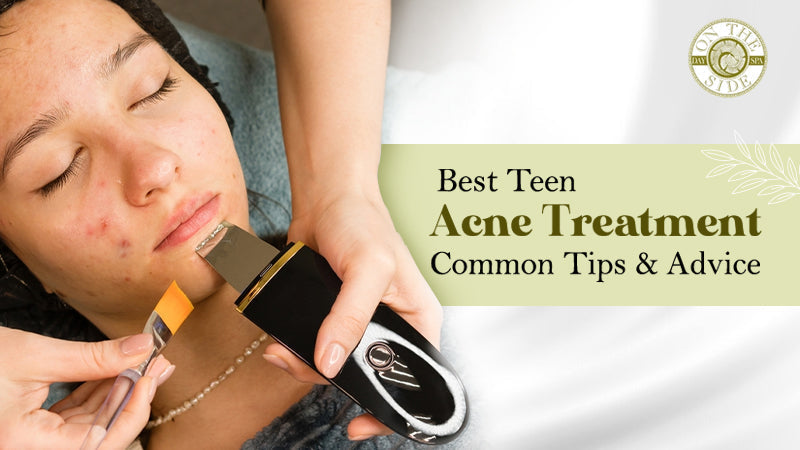
Understanding Teenage Acne
Acne is a common skin concern for teenagers, affecting approximately 85% of people aged between 12 and 24. This condition is primarily driven by hormonal changes during puberty, leading to increased oil production, clogged pores, and bacteria growth. Understanding these factors is essential in developing effective prevention strategies.
Daily Skincare Routine
1. Gentle Cleansing
Cleansing is the cornerstone of any effective acne prevention strategy. Washing your face twice daily with a mild, non-comedogenic cleanser can help remove excess oil, dirt, and debris that contribute to clogged pores. Avoid harsh soaps or exfoliants that can irritate the skin and exacerbate acne.
2. Moisturize Wisely
Many teens are hesitant to use moisturizers for fear of worsening acne, but hydration is crucial. Opt for oil-free, non-comedogenic moisturizers that won't clog pores. Look for ingredients like hyaluronic acid or glycerin, which hydrate without adding oil.
Smart Skincare Choices
3. Use Acne-Fighting Ingredients
Incorporate products containing acne-fighting ingredients like salicylic acid or benzoyl peroxide. Salicylic acid helps to unclog pores, while benzoyl peroxide works to reduce bacteria and inflammation. Start with lower concentrations to assess skin tolerance.
4. Avoid Over-Scrubbing
Excessive scrubbing or using abrasive exfoliants can damage the skin barrier, leading to increased oil production and inflammation. Instead, opt for gentle, chemical exfoliants like alpha hydroxy acids (AHAs) once or twice a week.
Lifestyle Factors
5. Balanced Diet
Diet can play a role in acne prevention. Consuming a balanced diet rich in fruits, vegetables, whole grains, and lean proteins supports overall skin health. Some studies suggest reducing dairy and high-glycemic foods may benefit those prone to acne, but more research is needed.
6. Stay Hydrated
Adequate water intake is essential for maintaining healthy skin. Hydration helps flush out toxins and supports skin cell turnover. Aim for at least eight glasses of water daily.
Stress and Sleep
7. Manage Stress Levels
Stress increases the production of hormones like cortisol, which can exacerbate acne. Incorporating stress-reducing practices such as yoga, meditation, or even regular exercise can help manage stress levels and improve skin health.
8. Prioritize Sleep
Sleep is vital for skin regeneration and repair. Aim for 7-9 hours of quality sleep each night to support the body's natural healing processes.
Avoiding Common Triggers
9. Don't Pick or Pop
While it may be tempting, picking or popping pimples can lead to permanent scarring and increased inflammation. Instead, treat blemishes with spot treatments containing salicylic acid or benzoyl peroxide.
10. Keep Hair and Hands Clean
Oils and dirt from hair and hands can transfer to your face, potentially clogging pores. Keep hair clean and pulled away from the face, and avoid touching your face with your hands.
Conclusion: Consistency is Key
Preventing teenage acne requires a balanced approach that combines effective skincare, dietary considerations, and lifestyle changes. Remember that patience and consistency are crucial, as it may take several weeks to see noticeable improvements. By adopting these science-backed tips, teenagers can pave the way to clear, healthy skin.
For persistent or severe acne, consulting with a dermatologist can provide personalized recommendations and treatments.