Understanding Acne-Prone Skin
Acne can be a persistent and frustrating condition, impacting not only appearance but also self-esteem. While various factors contribute to acne, choosing the right skincare ingredients can significantly help manage and reduce breakouts. Let's explore some of the most effective ingredients for acne-prone skin, backed by science.
Salicylic Acid: The Exfoliating Powerhouse
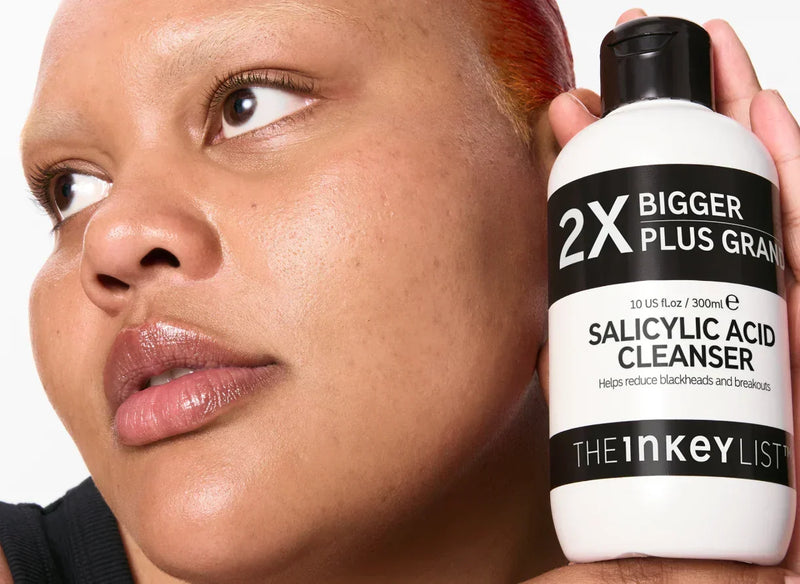
Salicylic acid, a beta hydroxy acid (BHA), is a staple in acne treatment. Known for its ability to penetrate the pores and dissolve dead skin cells, it effectively reduces blackheads and whiteheads. Studies have shown that salicylic acid can help reduce oil production and inflammation, which are key contributors to acne.
How to Use Salicylic Acid
- Concentration: Look for products with 0.5% to 2% salicylic acid.
- Application: Use a salicylic acid cleanser or apply as a leave-on treatment.
- Frequency: Start with once daily application, and adjust based on skin tolerance.
Benzoyl Peroxide: Bacteria’s Worst Enemy
Benzoyl peroxide is renowned for its ability to kill acne-causing bacteria and reduce excess oil. It’s particularly effective against inflammatory acne. Clinical studies confirm its efficacy in decreasing P. acnes bacteria on the skin, thus reducing inflammation and the severity of acne lesions.
How to Use Benzoyl Peroxide
- Concentration: Opt for 2.5% to 5% formulations to minimize irritation.
- Application: Apply to affected areas after cleansing.
- Frequency: Begin with once daily usage, then increase as needed.
Niacinamide: The Anti-Inflammatory Agent
Niacinamide, a form of vitamin B3, is celebrated for its anti-inflammatory properties and ability to improve skin texture. Research suggests niacinamide can reduce sebum production, making it an excellent choice for those with oily, acne-prone skin.
How to Use Niacinamide
- Concentration: Use products with 2% to 5% niacinamide.
- Application: Apply after cleansing and before moisturizing.
- Frequency: Suitable for everyday use, morning and night.
Retinoids: The Multi-Tasking Marvel
Retinoids, derivatives of vitamin A, accelerate cell turnover and help prevent clogged pores. They are effective in treating both comedonal and inflammatory acne. Studies show that retinoids not only help clear acne but also improve skin texture and reduce post-acne scarring.
How to Use Retinoids
- Type: Start with over-the-counter retinol or consult a dermatologist for prescription options.
- Application: Use at night to prevent photosensitivity.
- Frequency: Introduce gradually, starting with twice weekly, increasing as tolerated.
Azelaic Acid: The Gentle Brightener
Azelaic acid is a naturally occurring acid found in grains like barley and wheat. It's effective in treating acne by reducing bacteria and decreasing inflammation. Moreover, it helps even out skin tone and fade hyperpigmentation.
How to Use Azelaic Acid
- Concentration: Use products containing 10% azelaic acid.
- Application: Suitable for use after cleansing and before moisturizing.
- Frequency: Can be used twice daily, morning and evening.
Practical Tips for Acne-Prone Skin
- Patch Test Products: Always start with a patch test when introducing new ingredients to ensure no adverse reactions.
- Consistent Routine: Consistency is key in skincare. Stick to a routine for at least 6-8 weeks to see results.
- Sun Protection: Many acne treatments can increase sun sensitivity. Always use a broad-spectrum sunscreen during the day.
- Hydration: Keep the skin hydrated with a non-comedogenic moisturizer to prevent irritation and maintain the skin barrier.
Conclusion
Finding the right skincare ingredients for acne-prone skin can be transformative. Salicylic acid, benzoyl peroxide, niacinamide, retinoids, and azelaic acid are powerful tools in your skincare arsenal. With patience and the right approach, clearer skin can be more achievable than ever. Remember, if over-the-counter options don't work or if your acne is severe, consulting a dermatologist for a personalized treatment plan is always a wise choice.