Introduction: Say Goodbye to Acne Myths
When it comes to acne-prone skin, the internet is flooded with advice—some helpful, some questionable. Many people fall into the trap of trying DIY remedies or trendy skincare products that promise quick fixes but fail to deliver results. Here, we’ll separate myths from facts and explore the best scientifically-proven ingredients to help you manage acne effectively.
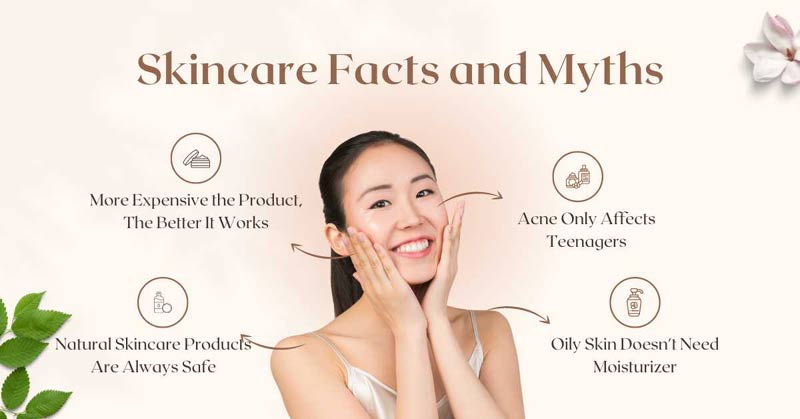
Myth: Natural Ingredients Are Always Better
A common misconception is that natural ingredients like coconut oil or honey are the ultimate solution for acne. While these ingredients may offer certain benefits, they’re not universally effective for acne-prone skin. For instance, coconut oil is highly comedogenic, meaning it can clog pores and worsen breakouts. Honey, on the other hand, has mild antibacterial properties but is often insufficient for treating acne alone.
Fact: Not all natural ingredients are suitable for acne-prone skin. Instead, focus on evidence-based ingredients that target acne at its root cause.
Best Ingredients for Acne-Prone Skin
1. Salicylic Acid: Your Pore-Unclogging Ally
Salicylic acid is a beta-hydroxy acid (BHA) known for its ability to penetrate deep into the pores and dissolve excess oil and dead skin cells. It’s particularly effective for blackheads and whiteheads. As a chemical exfoliant, it also helps prevent future clogs, reducing the likelihood of breakouts.
How to Use:
- Look for cleansers, spot treatments, or serums containing 0.5% to 2% salicylic acid.
- Start with once-a-day use to avoid over-drying, especially if your skin is sensitive.
Scientific Backing: Studies have shown that salicylic acid improves acne lesions and reduces inflammation over time.
2. Benzoyl Peroxide: Fighting Acne-Causing Bacteria
Benzoyl peroxide is a tried-and-true ingredient for acne treatment. It works by killing Propionibacterium acnes (now called Cutibacterium acnes), the bacteria responsible for inflammatory acne. Additionally, benzoyl peroxide helps reduce oil production and clean the pores.
How to Use:
- Choose products with 2.5% to 5% benzoyl peroxide to minimize irritation.
- Spot treatments or leave-on creams are ideal for targeting active breakouts.
Scientific Backing: Benzoyl peroxide has been extensively studied and remains one of the most effective over-the-counter solutions for acne.
3. Retinoids: The Gold Standard for Acne Control
Retinoids, derivatives of vitamin A, are widely recognized for their ability to prevent acne formation. Retinoids work by increasing cell turnover, preventing clogged pores, and reducing inflammation. In addition to treating acne, they can improve skin texture and fade post-acne marks.
How to Use:
- Start with a lower concentration, like 0.025% retinol or adapalene, and use it 2-3 times a week.
- Always follow up with sunscreen, as retinoids can increase sun sensitivity.
Scientific Backing: Dermatologists often prescribe retinoids for both moderate and severe acne because of their proven efficacy.
4. Niacinamide: Gentle Yet Powerful
Niacinamide (vitamin B3) is a versatile ingredient that helps regulate sebum production, reduce inflammation, and improve the skin barrier. Unlike harsher acne treatments, niacinamide is gentle, making it suitable for sensitive skin.
How to Use:
- Look for serums or moisturizers with 4% to 5% niacinamide.
- Can be paired with other active ingredients like salicylic acid or retinoids.
Scientific Backing: Research shows that niacinamide is effective in reducing acne severity and redness over time.
5. Azelaic Acid: A Multitasking Marvel
Azelaic acid is a lesser-known gem for acne treatment. It has antibacterial and anti-inflammatory properties, making it effective against mild to moderate acne. It also helps even out skin tone by reducing post-inflammatory hyperpigmentation.
How to Use:
- Look for creams with 10% azelaic acid for acne and pigmentation concerns.
- Apply once daily or as recommended by your dermatologist.
Scientific Backing: Studies have demonstrated azelaic acid’s ability to treat acne and improve skin discoloration.
Myth: Drying Out Your Skin Clears Acne
One of the most harmful myths is that drying out your skin will eliminate acne. Over-drying with harsh products or skipping moisturizer can actually disrupt your skin barrier, leading to increased oil production and worsening breakouts.
Fact: Hydration is key! Use a lightweight, non-comedogenic moisturizer to maintain your skin’s balance.
Bonus Tips for Acne-Prone Skin
- Patch Test: Always patch test new products to ensure they don’t cause irritation.
- Consistency Is Key: Acne treatments take time—stick with them for at least 6-8 weeks before evaluating results.
- Sunscreen Matters: Protect your skin from UV damage, especially when using active ingredients like salicylic acid or retinoids.
- Avoid Overloading Products: Too many active ingredients can irritate your skin; simplify your routine and introduce products gradually.
Final Thoughts
Managing acne-prone skin requires patience, consistency, and the right ingredients. By focusing on evidence-based options like salicylic acid, benzoyl peroxide, retinoids, niacinamide, and azelaic acid, you can achieve clearer, healthier skin over time. Don’t fall for myths—trust science and follow a routine tailored to your skin’s needs.
Remember, when in doubt, consult a dermatologist for personalized guidance. Clear skin is within reach—start with the right ingredients today!