Understanding Acne-Prone Skin
Acne can be a persistent and frustrating skin condition that affects millions of people worldwide. Characterized by clogged pores, blackheads, whiteheads, and sometimes painful cysts, acne is not only a cosmetic concern but can also impact self-esteem and mental health. While the causes of acne are multifaceted, ranging from hormonal imbalances to diet, the ingredients you use in your skincare routine play a significant role in managing and improving acne-prone skin.
Common Myths About Acne Ingredients
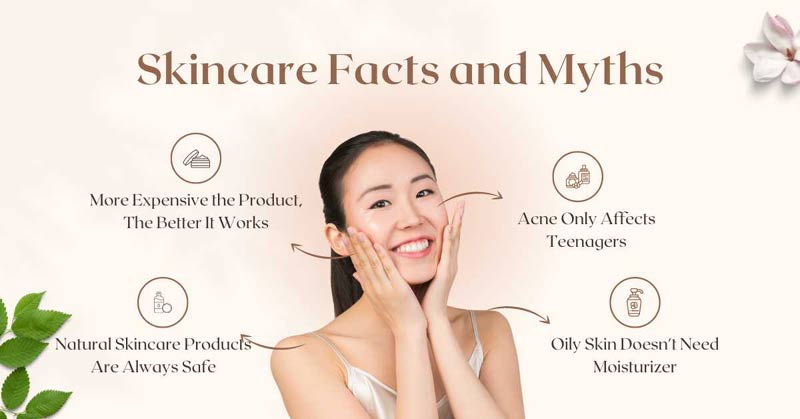
When it comes to treating acne, misinformation abounds. One common myth is that all oils are bad for acne-prone skin. While it’s true that certain oils can clog pores, non-comedogenic oils like jojoba and rosehip can actually help soothe and hydrate skin without causing breakouts. Another myth is that scrubbing skin vigorously will clear up acne faster. In reality, over-exfoliating can irritate and inflame acne-prone skin, leading to more breakouts.
Best Ingredients for Acne-Prone Skin
1. Salicylic Acid
Salicylic acid is a beta hydroxy acid (BHA) that is lipid-soluble, meaning it can penetrate deeply into oily pores and reduce inflammation. It works by exfoliating the inside of the pores and preventing new acne lesions from forming. According to a study published in the Journal of Clinical and Aesthetic Dermatology, salicylic acid is one of the most effective OTC acne treatments. For best results, look for products with 0.5% to 2% concentration.
2. Benzoyl Peroxide
Benzoyl peroxide is a powerful antibacterial agent that targets acne-causing bacteria and reduces inflammation. It is available in various concentrations, typically ranging from 2.5% to 10%. Higher concentrations can be more irritating, so starting with a lower percentage and gradually increasing as your skin builds tolerance is advisable.
3. Niacinamide
Niacinamide, or vitamin B3, is praised for its anti-inflammatory properties and ability to improve the skin barrier function. It can reduce redness, soothe irritation, and control oil production, making it an excellent choice for those with acne-prone skin. A study in the Journal of Clinical and Aesthetic Dermatology highlighted niacinamide’s role in reducing acne severity.
4. Retinoids
Retinoids, derived from vitamin A, promote cell turnover and prevent the clogging of pores. Prescription retinoids like tretinoin are highly effective, but over-the-counter options like retinol can also help improve acne conditions. Users should apply retinoids at night and apply sunscreen during the day, as they can increase photosensitivity.
5. Tea Tree Oil
Tea tree oil is a natural ingredient known for its antimicrobial properties. Studies have shown that a 5% tea tree oil gel can be as effective as a 5% benzoyl peroxide solution in treating acne, with fewer side effects. Always dilute tea tree oil with a carrier oil to prevent irritation.
6. Azelaic Acid
Azelaic acid is a dicarboxylic acid that helps exfoliate the skin gently, reducing the growth of bacteria and decreasing inflammation. It is especially beneficial for treating mild to moderate acne and rosacea. According to research, azelaic acid also has a skin-lightening effect, which can help fade post-acne marks.
Practical Tips for Incorporating These Ingredients
- Patch Test: Before introducing any new product, perform a patch test to ensure you don’t have an adverse reaction.
- Start Slowly: Introduce one new ingredient at a time, allowing your skin to adjust before adding another.
- Hydrate: Acne treatments can be drying, so use a non-comedogenic moisturizer to maintain skin hydration.
- SPF is Essential: Always use sunscreen during the day, especially when using ingredients like retinoids and salicylic acid.
Conclusion
Understanding which ingredients are genuinely effective for acne-prone skin can help you build a skincare routine that works for you. By focusing on evidence-based treatments and dispelling common myths, you can achieve clearer, healthier skin. Remember, patience and consistency are key in managing acne.
If your acne persists or worsens, consult a dermatologist for a tailored treatment plan.