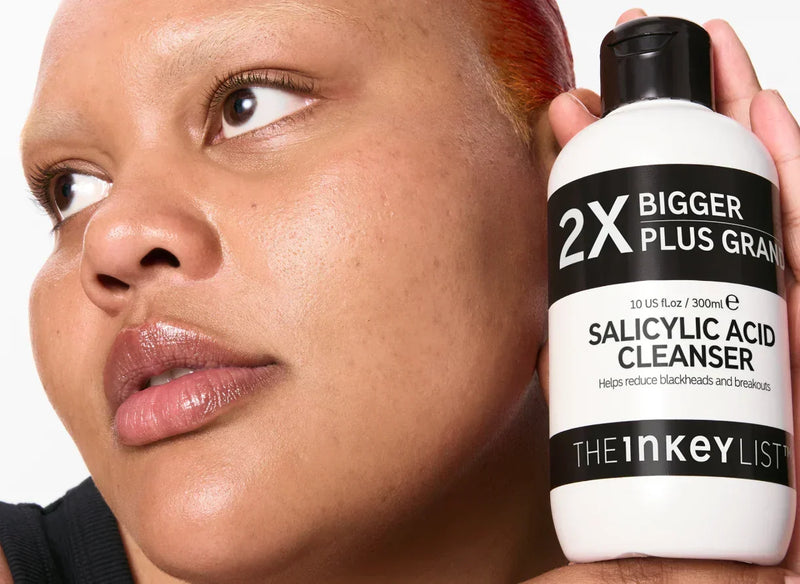
Understanding Acne and Its Challenges
Acne is a common skin condition affecting millions globally. It stems from various factors including excess oil production, clogged pores, bacteria, and inflammation. Navigating the skincare aisle can be daunting, but knowing which ingredients are most effective can be a game-changer.
Salicylic Acid: A BHA Hero
What it is: Salicylic acid is a beta hydroxy acid (BHA) known for its ability to penetrate and exfoliate inside the pores.
Why it works: Its oil solubility allows salicylic acid to deeply cleanse pores, reducing blockages and preventing future breakouts. Studies have shown that salicylic acid is effective in treating mild to moderate acne.
How to use it: Look for cleansers or leave-on treatments with a concentration of 0.5% to 2%. Start with lower concentrations to minimize irritation, and gradually increase as your skin builds tolerance.
Benzoyl Peroxide: The Bacteria Buster
What it is: Benzoyl peroxide is an over-the-counter antibacterial agent known for its ability to destroy acne-causing bacteria.
Why it works: By reducing bacteria on the skin, benzoyl peroxide helps diminish inflammation and prevent future breakouts. It also has mild exfoliating properties.
How to use it: It works best in concentrations ranging from 2.5% to 10%. Start with lower concentrations to minimize potential dryness and irritation.
Retinoids: The Multi-taskers
What they are: Derived from vitamin A, retinoids are powerful compounds that help increase cell turnover, unclog pores, and fade acne scars.
Why they work: Retinoids effectively prevent the formation of new acne while also smoothing skin texture and promoting an even skin tone.
How to use them: Prescription-strength options like tretinoin are highly effective, but over-the-counter versions like retinol can also be beneficial. Start using retinoids gradually, as they can initially cause dryness and irritation.
Niacinamide: The Soothing Agent
What it is: Niacinamide, or vitamin B3, is a water-soluble vitamin that offers anti-inflammatory effects.
Why it works: It helps reduce redness, minimize pore appearance, and regulates oil production. Scientific studies indicate niacinamide's effectiveness in improving skin barrier function and reducing acne.
How to use it: Incorporate a 2% to 5% niacinamide serum into your routine, applying it after cleansing and before moisturizing.
Tea Tree Oil: The Natural Alternative
What it is: Derived from the leaves of an Australian tree, tea tree oil has been used for centuries for its antimicrobial properties.
Why it works: Research shows that tea tree oil can be as effective as benzoyl peroxide in reducing acne lesions, with fewer side effects.
How to use it: Use a 5% tea tree oil gel or dilute it with a carrier oil to apply directly to blemishes. Always perform a patch test to ensure compatibility.
Sulfur: The Oil Absorber
What it is: Sulfur is a natural mineral often used in acne treatments for its antibacterial and drying properties.
Why it works: It helps absorb excess oil and unclog pores, making it ideal for individuals with oily, acne-prone skin.
How to use it: Look for products containing 3% to 10% sulfur, such as masks or spot treatments. Be cautious as sulfur can be drying.
Building a Routine: Practical Steps
- Start Slowly: Introduce one new ingredient at a time to monitor how your skin reacts.
- Patch Test: Always perform a patch test when trying a new product to ensure you don’t have an allergic reaction.
- Moisturize: Keep your skin hydrated by incorporating a non-comedogenic moisturizer. Hydration is key to avoiding excessive dryness and irritation.
- Sun Protection: Many acne treatments increase skin sensitivity to the sun, making daily SPF essential.
Conclusion
Choosing the right ingredients is crucial for managing acne-prone skin effectively. By understanding the science behind these ingredients and how they work, you can create a skincare routine tailored to your needs. Remember, consistency and patience are key to achieving clear, healthy skin.
Final Tip
Consult a dermatologist if you’re struggling to control your acne. They can provide personalized recommendations and treatment options that are best suited for your skin type.