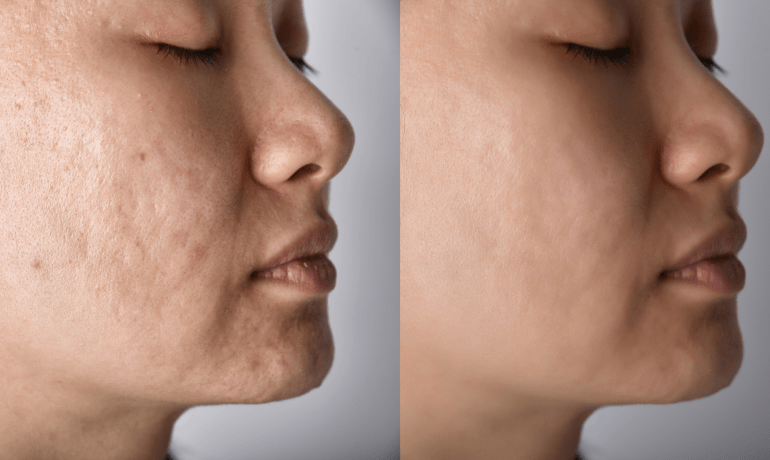
Acne Scars Treatment Options: What Works and Why?
Acne scars can be a frustrating reminder of past breakouts, affecting your confidence and overall skin appearance. Fortunately, there are numerous treatment options available, ranging from professional procedures to at-home remedies. In this blog post, we’ll explore the best scientific and practical solutions to help you minimize or erase acne scars for smoother, healthier skin.
Understanding Acne Scars
Before diving into treatments, it’s crucial to understand the types of acne scars, as this influences which option will work best for you. Acne scars fall into two primary categories:
Atrophic scars - These are indented scars that form when the skin fails to regenerate tissue properly. Common types include:
- Ice pick scars: Narrow and deep pits.
- Boxcar scars: Wider, shallow depressions.
- Rolling scars: Wavy, uneven skin texture.
Hypertrophic scars - These raised scars result from excessive collagen production during healing.
Knowing your scar type can help target treatments more effectively.
Professional Acne Scar Treatments
Severe acne scars often require professional intervention for noticeable improvements. Here are the most effective medical treatments:
1. Laser Therapy
Laser treatments are one of the most popular options for reducing acne scars. They work by using light energy to stimulate collagen production or remove damaged skin layers. Common types include:
- Ablative lasers (e.g., CO2 or Erbium lasers): Remove outer layers of skin to smooth out scars.
- Non-ablative lasers (e.g., Fraxel): Stimulate collagen without removing skin layers.
Scientific evidence: A 2019 study published in the Journal of Cosmetic Dermatology found that fractional laser treatments significantly improved both atrophic and hypertrophic acne scars after multiple sessions.
Tip: Always consult a dermatologist to determine the best laser type for your skin and scar type.
2. Microneedling
Microneedling involves using a device with tiny needles to create micro-injuries in the skin. This process stimulates collagen and elastin production, leading to smoother, more even skin.
Scientific evidence: According to a 2021 review in Dermatologic Therapy, microneedling effectively reduces atrophic scars with minimal downtime.
Tip: Results typically require multiple sessions, spaced about 4-6 weeks apart.
3. Chemical Peels
Chemical peels use acids like glycolic acid, salicylic acid, or trichloroacetic acid (TCA) to exfoliate the skin’s surface and encourage cell turnover. This treatment can improve mild to moderate acne scars.
Scientific evidence: A study published in Clinical, Cosmetic and Investigational Dermatology in 2018 showed that TCA peels improve the appearance of acne scars with minimal side effects.
Tip: Opt for professional-grade peels rather than over-the-counter options for better efficacy and safety.
4. Dermal Fillers
For deep atrophic scars, dermal fillers like hyaluronic acid can temporarily fill in the depression, creating a smoother appearance.
Scientific evidence: A 2020 study in Dermatologic Surgery revealed that fillers provide immediate results, though they may require touch-ups every 6-12 months.
Tip: Choose board-certified dermatologists or cosmetic surgeons for filler treatments.
5. Subcision
Subcision is a minor surgical procedure where a needle is inserted beneath the skin to break the fibrotic bands that cause rolling scars. This allows the skin to rise and smooth out.
Scientific evidence: Research in The Journal of Clinical and Aesthetic Dermatology in 2017 confirmed subcision's efficacy when combined with other treatments like microneedling or fillers.
Tip: Subcision works best for rolling scars and may require multiple sessions.
At-Home Acne Scar Remedies
If professional treatments feel out of reach, there are at-home options that may help improve mild acne scars over time. While these remedies are less potent, consistency is key.
1. Topical Retinoids
Retinoids, derived from vitamin A, boost cell turnover and collagen production, helping to fade scars.
Scientific evidence: Studies have shown that retinoids like tretinoin improve skin texture and reduce scars over several months.
Tip: Begin with a low concentration to avoid irritation and pair with sunscreen to protect your skin.
2. Vitamin C Serums
Vitamin C is a powerful antioxidant that brightens skin and promotes collagen production.
Scientific evidence: Research in The Journal of Clinical and Aesthetic Dermatology found that topical vitamin C reduces hyperpigmentation and improves skin texture.
Tip: Use a stable formula with at least 10% concentration for visible results.
3. Exfoliation
Regular exfoliation with products containing AHAs (alpha-hydroxy acids) or BHAs (beta-hydroxy acids) can help reduce mild scarring and uneven texture.
Tip: Don’t over-exfoliate, as this can irritate scarred skin. Stick to 2-3 times per week.
4. Silicone Gel Sheets
For hypertrophic scars, silicone sheets or gels can flatten and soften the scar tissue over time.
Scientific evidence: Studies, such as one published in Plastic and Reconstructive Surgery in 2016, confirm that silicone therapy can effectively treat raised scars.
Tip: Apply daily for several weeks to see results.
Lifestyle Tips to Prevent More Scarring
Prevention is always better than treatment. Follow these tips to avoid worsening existing scars or developing new ones:
- Avoid picking or popping pimples - This increases inflammation and risks permanent scarring.
- Use sunscreen daily - UV exposure can darken scars and slow healing.
- Stick to a consistent skincare routine - This minimizes new breakouts and promotes overall skin health.
Final Thoughts
Acne scars are treatable, and with the right approach, you can achieve smoother, more confident skin. Whether you choose professional treatments like laser therapy or opt for at-home remedies like retinoids and exfoliation, consistency is key to seeing results. Consult a dermatologist to create a personalized plan tailored to your skin type and scar severity.
Remember, patience is essential—most treatments take weeks to months to show noticeable improvement. Stick with it, and your skin will thank you!
FAQs About Acne Scar Treatments
Q: Are acne scars permanent? A: Not all acne scars are permanent. Many can be significantly improved or erased with the right treatment.
Q: Can home remedies completely remove scars? A: Home remedies may reduce mild scars but are unlikely to eliminate severe scarring. Professional treatments are more effective for deeper scars.
Q: How long does it take to see results? A: Results depend on the treatment method. Professional treatments may take several sessions, while topical remedies can take 3-6 months to show improvements.
Q: Are these treatments safe for sensitive skin? A: Most treatments, like microneedling or chemical peels, can be customized for sensitive skin. Always consult a dermatologist first.
Ready to Take Action?
Take the first step toward clearer, healthier skin. Whether you schedule a dermatologist appointment or incorporate scar-reducing products into your routine, the journey to smooth skin starts today!