Teenage Acne Prevention: Science-Backed Tips for Clearer Skin
Acne is a common challenge for teenagers, as hormonal changes during puberty often lead to an increase in oil production, clogged pores, and breakouts. While acne is a natural part of growing up, there are effective ways to prevent and minimize its impact. In this guide, we’ll share practical, evidence-based tips to help teens care for their skin and reduce the likelihood of acne flare-ups.
Understanding Teenage Acne
Teenage acne primarily develops due to hormonal fluctuations that stimulate the sebaceous (oil) glands to produce excess sebum. This, combined with dead skin cells and bacteria, can clog pores and lead to blackheads, whiteheads, and inflamed pimples. Factors such as genetics, diet, and stress levels may also contribute to acne severity.
The good news? With the right habits and skincare routine, you can significantly reduce the frequency and intensity of breakouts.
1. Cleanse Your Skin Gently Twice a Day
Cleansing is the foundation of any good skincare routine. Use a mild, non-comedogenic facial cleanser to remove dirt, oil, and makeup without stripping your skin of its natural moisture.
- Why it works: Cleansing helps prevent clogged pores, a major trigger for acne. Over-washing or using harsh soaps, however, can irritate the skin and worsen breakouts.
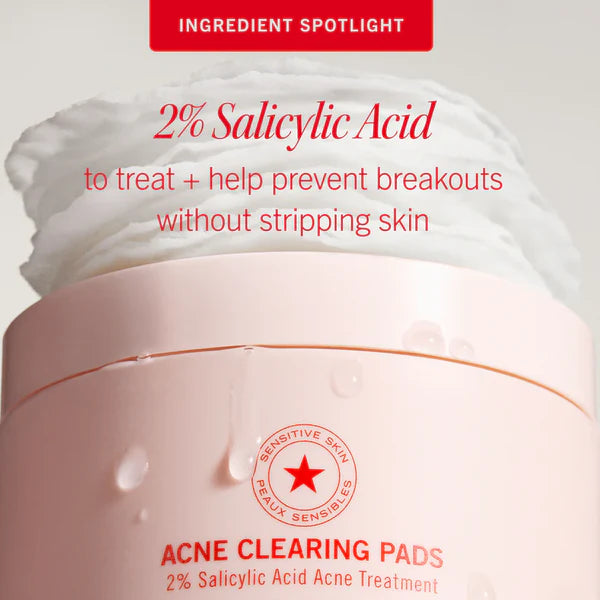
- Tip: Look for cleansers with salicylic acid or benzoyl peroxide, which can help target acne.
Action Steps:
- Wash your face every morning and evening.
- Use lukewarm water to avoid irritation.
- Pat your face dry with a clean towel (don’t rub).
2. Moisturize Daily, Even if You Have Oily Skin
Many teens skip moisturizer, thinking it will make their skin oilier. However, the right moisturizer can actually help balance your skin’s natural oil production.
- Why it works: Dehydrated skin can overproduce oil to compensate, potentially worsening acne. A lightweight, oil-free moisturizer keeps your skin hydrated without clogging pores.
Action Steps:
- Choose a non-comedogenic moisturizer labeled “oil-free” or “for acne-prone skin.”
- Apply after cleansing, focusing on areas prone to dryness.
3. Avoid Touching Your Face
It’s tempting to touch your face or pop pimples, but doing so can introduce bacteria and increase inflammation.
- Why it works: Your hands carry germs and dirt that can aggravate acne. Popping pimples can also lead to scarring and prolong healing.
Action Steps:
- Keep your hands away from your face throughout the day.
- If you need to apply skincare products, make sure your hands are clean.
4. Adopt a Healthy Diet
What you eat can impact your skin health. While there’s no one-size-fits-all acne diet, certain foods have been linked to clearer skin.
- Why it works: High-glycemic foods (like sweets and white bread) can spike blood sugar levels, potentially worsening acne. Dairy products, particularly skim milk, have also been associated with breakouts in some studies.
Action Steps:
- Limit sugary snacks and beverages.
- Incorporate more whole foods, such as fruits, vegetables, lean protein, and whole grains.
- Stay hydrated by drinking plenty of water.
5. Protect Your Skin from the Sun
Sun exposure can dry out pimples temporarily, but it also damages your skin over time and leads to post-inflammatory hyperpigmentation (dark spots). Plus, many acne medications make your skin more sensitive to UV rays.
- Why it works: Using a broad-spectrum sunscreen prevents sun damage and helps maintain an even skin tone.
Action Steps:
- Use a non-comedogenic sunscreen with at least SPF 30.
- Reapply sunscreen every two hours if you’re outdoors.
- Wear a wide-brimmed hat for extra protection.
6. Choose Acne-Friendly Hair Products
Haircare products like pomades and oils can transfer to your skin and clog pores, especially along the forehead and hairline (a condition known as pomade acne).
- Why it works: Non-comedogenic hair products prevent this type of acne.
Action Steps:
- Opt for shampoos and conditioners labeled “oil-free” or “non-comedogenic.”
- Keep hair off your face whenever possible.
7. Stay Consistent with Skincare
Acne prevention requires consistency. Results take time, so don’t get discouraged if your skin doesn’t clear up overnight.
- Why it works: Regular skincare helps keep pores clear and reduces inflammation over time.
Action Steps:
- Stick to your routine every day.
- Avoid switching products too frequently—give each new product at least 6-8 weeks to show results.
8. Don’t Skip Out on Sleep and Stress Management
Stress and lack of sleep can lead to hormonal imbalances, potentially triggering or worsening acne.
- Why it works: Sleep restores your skin’s natural repair processes, and managing stress reduces cortisol levels, which can contribute to breakouts.
Action Steps:
- Aim for 7-9 hours of sleep each night.
- Practice stress-relief activities like yoga, meditation, or journaling.
When to See a Dermatologist
If your acne is severe, painful, or causing emotional distress, it’s time to see a dermatologist. Professional treatments like prescription-strength creams, oral medications, or in-office procedures can make a significant difference.
Final Thoughts
Preventing teenage acne is all about consistency and knowing what works for your skin. By following these tips and adopting healthy habits, you can keep your skin looking and feeling its best. Remember, clear skin is a journey, not a race, so be patient and kind to yourself along the way.
Do you have any favorite acne prevention tips? Share them in the comments below!