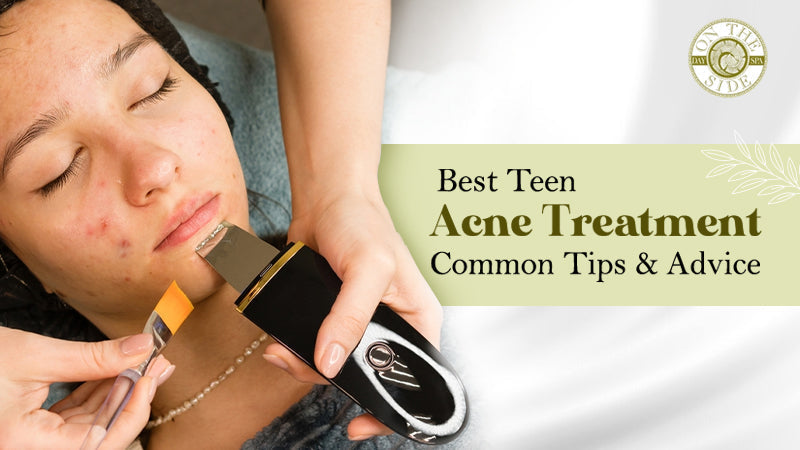
Teenage Acne Prevention: Tips for Clearer Skin
Navigating the teenage years comes with its fair share of challenges, and acne often tops the list. A common skin concern, teenage acne affects up to 85% of teens due to hormonal changes during puberty, increased oil production, and other factors. While acne can be frustrating, there are evidence-based strategies to help prevent and manage it effectively. Let’s dive into practical tips to keep breakouts at bay and promote healthier skin.
1. Establish a Gentle Skincare Routine
Consistency is key when it comes to skincare. A basic, gentle routine can go a long way in preventing acne. Stick to these steps:
Cleanser:
Wash your face twice daily with a mild, non-comedogenic cleanser to remove excess oil, dirt, and bacteria. Look for ingredients like salicylic acid or benzoyl peroxide, known for their acne-fighting properties.
Moisturizer:
Even oily skin needs hydration. Opt for a lightweight, oil-free moisturizer that won’t clog pores.
Sunscreen:
Sun protection is crucial to prevent post-acne dark spots and skin damage. Choose a broad-spectrum, non-comedogenic sunscreen with at least SPF 30.
Pro Tip: Avoid harsh scrubs or over-cleansing, as these can irritate your skin and worsen acne.
2. Manage Oil with Non-Comedogenic Products
Hormonal surges during adolescence can lead to increased oil production, contributing to clogged pores and acne. Use non-comedogenic (won’t clog pores) skincare and makeup products to help reduce this risk. Check labels for terms like “oil-free” and “dermatologist-tested.”
3. Avoid Touching Your Face
Have you ever noticed how often you touch your face during the day? This habit can transfer bacteria, oil, and dirt from your hands to your skin, potentially leading to breakouts. Be mindful of this and keep your hands clean, especially if you tend to pick or pop pimples.
Scientific Insight: Popping pimples increases the risk of inflammation and scarring, as it pushes bacteria and debris deeper into the skin.
4. Eat a Balanced Diet
What you eat can impact your skin health. While the link between diet and acne isn’t fully understood, research has shown that certain foods may play a role:
- Limit sugary and high-glycemic foods: These can spike insulin levels, contributing to increased oil production. Examples include candy, white bread, and sugary drinks.
- Incorporate anti-inflammatory foods: Omega-3 fatty acids (found in salmon, walnuts, and chia seeds) may help reduce inflammation linked to acne.
- Stay hydrated: Drinking plenty of water supports overall skin health.
Actionable Tip: Keep a food journal to identify any dietary patterns that might be triggering your breakouts.
5. Practice Good Hygiene
Teenagers lead busy lives with school, sports, and social activities, and sweat can play a role in acne development. Maintain good hygiene habits to minimize breakouts:
- Shower after sweating: Sweat mixed with oil and dirt can clog pores, especially if left on the skin for too long.
- Clean pillowcases regularly: Oils and bacteria can accumulate on pillowcases, transferring to your face while you sleep. Aim to wash them weekly.
- Sanitize your phone: Your phone screen can harbor bacteria. Use a disinfectant wipe regularly.
6. Don’t Skip Professional Help
If over-the-counter products and lifestyle changes aren’t making a significant difference, consult a dermatologist. They can prescribe medications like topical retinoids, antibiotics, or hormonal treatments (such as birth control for girls) to address acne effectively.
Scientific Backing: Retinoids, derived from vitamin A, promote cell turnover and prevent clogged pores, making them a cornerstone of acne treatment.
7. Reduce Stress Levels
Stress doesn't directly cause acne, but it can worsen it by triggering hormonal changes and inflammation. Find ways to manage stress, such as:
- Regular exercise
- Mindfulness practices like meditation or yoga
- Setting aside time for hobbies
8. Be Patient and Kind to Your Skin
Acne prevention isn’t a one-size-fits-all solution, and it often takes time for new routines or treatments to show results. Avoid harsh products or aggressive treatments that promise overnight fixes, as these can exacerbate the problem.
Remember, acne is incredibly common during the teenage years, and it doesn’t define your worth or attractiveness. Focus on building healthy habits that your skin will thank you for in the long run.
Final Thoughts
Preventing teenage acne requires a combination of good skincare, healthy lifestyle choices, and a little patience. By cleansing regularly, managing oil, eating mindfully, and seeking professional help when necessary, you can reduce breakouts and support your skin’s health. Remember, consistency is key, and small changes can lead to big improvements over time.
Be kind to your skin and take the first step toward clearer, healthier skin today!
Did you find this article helpful? Share your thoughts in the comments below!