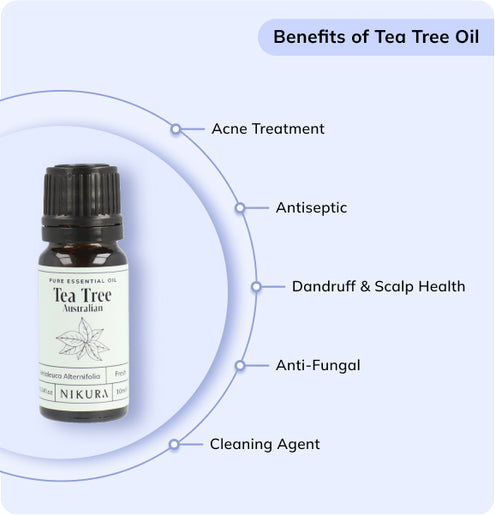
Tea Tree Oil for Acne: Nature's Remedy for Clearer Skin
Acne can be a frustrating and stubborn skin issue, but did you know that tea tree oil might offer a natural solution? This popular essential oil, derived from the Melaleuca alternifolia tree native to Australia, has gained attention for its potential antibacterial and anti-inflammatory effects on acne-prone skin. In this blog post, we’ll dive into the science behind tea tree oil, its benefits, how to use it effectively, and precautions for safe application.
The Science Behind Tea Tree Oil and Acne
Tea tree oil is renowned for its antimicrobial properties, thanks to its high concentration of terpenes, particularly terpinen-4-ol. Research has shown that these compounds can combat acne-causing bacteria like Propionibacterium acnes (now commonly referred to as Cutibacterium acnes). Additionally, tea tree oil has anti-inflammatory effects, which can help calm redness, swelling, and irritation associated with acne breakouts.
Here are some scientific findings:
- A 2017 review published in the Australasian Journal of Dermatology highlighted tea tree oil’s ability to reduce C. acnes bacteria and improve mild-to-moderate acne.
- In a randomized controlled trial conducted in 2007, participants using a 5% tea tree oil gel saw significant improvement in acne severity compared to those using a placebo.
These studies suggest that tea tree oil is a promising natural remedy for acne when used correctly.
Benefits of Tea Tree Oil for Acne
1. Antibacterial Action
Tea tree oil’s ability to kill acne-causing bacteria makes it a powerful ally in preventing and treating breakouts.
2. Reduces Inflammation
If you struggle with painful, inflamed pimples, tea tree oil can soothe redness and swelling, promoting faster healing.
3. Gentler Alternative to Harsh Treatments
Unlike some acne treatments, such as benzoyl peroxide, tea tree oil may be less drying and irritating to sensitive skin when diluted properly.
4. Prevents Future Breakouts
Tea tree oil can help keep your skin clear by reducing bacteria and calming irritation, making it a great addition to an acne-prevention routine.
How to Use Tea Tree Oil for Acne
While tea tree oil is effective, it’s important to use it properly to avoid skin irritation. Here’s your step-by-step guide:
1. Always Dilute Tea Tree Oil
Tea tree oil is highly concentrated and should never be applied directly to the skin. Mix it with a carrier oil (like jojoba oil or coconut oil) or an unscented moisturizer. A safe ratio is 1-2 drops of tea tree oil per tablespoon of carrier oil.
2. Spot Treatment for Pimples
The most effective way to use tea tree oil is as a spot treatment. Dip a cotton swab into the diluted tea tree oil solution and apply it directly to the affected area. Do this once or twice daily after cleansing your skin.
3. Add to Your Skincare Routine
You can mix tea tree oil with your regular facial cleanser or toner for added antibacterial benefits. Just ensure the mixture remains gentle on your skin.
4. Use a Pre-Made Product
If you prefer convenience, look for skincare products that already contain tea tree oil at safe concentrations, such as gels, cleansers, or serums.
Precautions When Using Tea Tree Oil
1. Patch Test First
Before using tea tree oil, always do a patch test. Apply a small amount of the diluted oil to your inner forearm and wait 24 hours. If redness or irritation occurs, avoid using it on your face.
2. Avoid Overuse
While tea tree oil is effective, overusing it can dry out or irritate your skin. Limit application to once or twice daily.
3. Not for Internal Use
Tea tree oil is for topical use only. Never ingest it, as it can be toxic.
4. Avoid the Eye Area
Tea tree oil can be irritating if it comes into contact with your eyes. Be careful when applying it near your face.
Who Should Use Tea Tree Oil?
Tea tree oil is best suited for those with mild-to-moderate acne who prefer natural remedies. However, individuals with sensitive skin or severe acne should consult a dermatologist before incorporating tea tree oil into their routine. It’s also a good option for those looking to minimize usage of synthetic chemicals in their skincare.
Final Thoughts: Is Tea Tree Oil Right for Your Skin?
Tea tree oil is a powerful, natural remedy for acne that offers antibacterial, anti-inflammatory, and soothing properties. Backed by scientific evidence, it can be an effective tool in your skincare arsenal when used properly. Start with a diluted formulation, use it as a spot treatment, and pay attention to your skin’s response. If you notice irritation or dryness, reduce its use or stop altogether.
While tea tree oil can work wonders for certain skin types, remember that acne is complex and often requires a multifaceted treatment approach. For persistent or severe acne, seeking advice from a dermatologist is always recommended.
Do you use tea tree oil in your skincare routine? Share your experience in the comments below—we’d love to hear your tips and tricks!