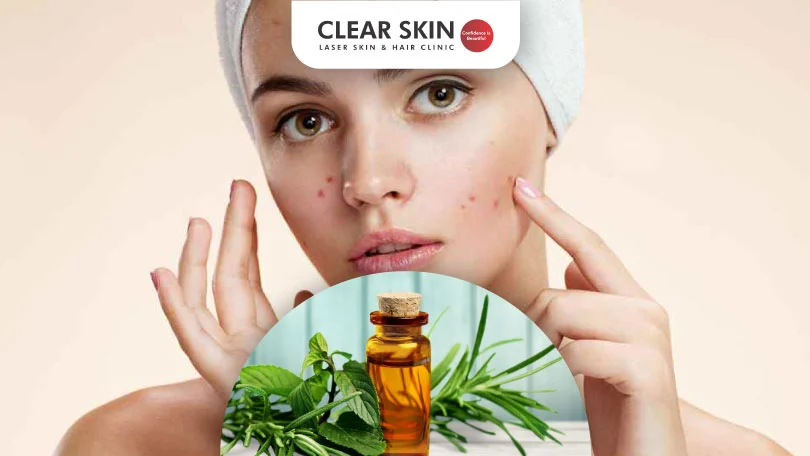
Tea Tree Oil for Acne: A Natural Solution Backed by Science
Acne can be a stubborn and frustrating skin condition, but nature has provided a powerful ally in tea tree oil. If you’re looking for a natural remedy to soothe your skin and fight blemishes, tea tree oil might be worth considering. In this article, we’ll dive into what tea tree oil is, how it works for acne, and the best ways to use it safely and effectively.
What is Tea Tree Oil?
Tea tree oil is an essential oil derived from the leaves of the Australian native plant Melaleuca alternifolia. For centuries, this oil has been used for its antimicrobial and anti-inflammatory properties. Today, it’s a popular ingredient in skincare products, particularly for acne-prone skin, thanks to its ability to target the root causes of breakouts: bacteria, inflammation, and clogged pores.
How Does Tea Tree Oil Help with Acne?
Scientific research supports the use of tea tree oil as a natural acne treatment. Here’s how it works:
1. Antimicrobial Properties
The active compound in tea tree oil, terpinen-4-ol, has strong antibacterial and antifungal effects. A 2007 study published in the Indian Journal of Dermatology, Venereology, and Leprology found that tea tree oil effectively reduces Propionibacterium acnes (now called Cutibacterium acnes), the bacteria that contributes to acne.
2. Anti-Inflammatory Effects
Acne often comes with redness, swelling, and irritation. Tea tree oil has natural anti-inflammatory properties that can calm these symptoms. A 2016 review in the Clinical Microbiology Reviews noted its potential to reduce skin inflammation, making it a soothing option for inflamed pimples.
3. Helps Unclog Pores
Tea tree oil’s antimicrobial action can help clear out the bacteria and debris clogging your pores. It also has mild astringent properties that can reduce excess oil production, another key factor in acne formation.
How to Use Tea Tree Oil for Acne
While tea tree oil is effective, using it improperly can lead to skin irritation or dryness. Follow these practical tips to incorporate tea tree oil into your skincare routine safely:
1. Always Dilute It
Tea tree oil is highly concentrated and should never be applied directly to your skin. Mix 1-2 drops of tea tree oil with 12 drops of a carrier oil like jojoba, almond, or coconut oil. Alternatively, you can dilute it with a small amount of water or aloe vera gel for a lighter application.
2. Do a Patch Test
Before applying tea tree oil to your face, perform a patch test. Apply the diluted solution to a small area of skin (like your inner forearm) and wait 24 hours. If there’s no redness, itching, or irritation, it’s likely safe to use.
3. Spot Treatment
Dip a clean cotton swab into the diluted tea tree oil mixture and apply it directly to individual pimples. Do this once or twice daily after cleansing your face. Avoid applying it to broken or sensitive skin.
4. Add to Skincare Products
For a gentler approach, mix a few drops of tea tree oil into your facial cleanser, toner, or moisturizer. This can help maintain your skin’s balance while still reaping the benefits of tea tree oil.
5. Use Tea Tree Oil-Infused Products
If DIY solutions aren’t your preference, look for over-the-counter skincare products that contain tea tree oil. Many cleansers, serums, and spot treatments are specially formulated to provide the right concentration for acne-prone skin.
Precautions When Using Tea Tree Oil
Although tea tree oil is natural, it isn’t without risks. Keep these precautions in mind:
- Avoid Overuse: Using tea tree oil too frequently can lead to dryness, irritation, or even worsen your acne. Start with once-a-day applications and monitor your skin’s reaction.
- Avoid Sensitive Areas: Don’t apply tea tree oil around your eyes, lips, or mucous membranes. It can cause stinging or irritation.
- Not for Severe Acne: If you have cystic or severe acne, tea tree oil may not be enough to manage your condition. Consult a dermatologist for a personalized treatment plan.
- Pregnancy and Allergies: Pregnant or breastfeeding individuals, as well as those with sensitive skin or allergies to essential oils, should consult a doctor before using tea tree oil.
What Does the Research Say?
If you’re wondering how tea tree oil stacks up against conventional acne treatments, research offers some promising insights:
- A 1990 study published in the Medical Journal of Australia compared 5% tea tree oil gel with 5% benzoyl peroxide. Both were effective in reducing acne lesions, although tea tree oil worked more slowly. However, tea tree oil caused fewer side effects like dryness and irritation.
- A 2018 study in the Australasian Journal of Dermatology showed that tea tree oil significantly improved mild to moderate acne when used in combination with other topical treatments.
While tea tree oil may not replace prescription treatments for severe acne, it’s a viable option for milder cases or as a complementary therapy.
Final Thoughts: Is Tea Tree Oil Right for You?
Tea tree oil is a natural, effective remedy for many people struggling with acne. Its antibacterial and anti-inflammatory properties make it a popular choice for reducing pimples, redness, and swelling. However, like any skincare ingredient, it’s essential to use it properly to avoid irritation.
Start small, dilute appropriately, and monitor how your skin reacts. If you’re unsure or have persistent acne, consulting a dermatologist is always a smart move. With the right approach, tea tree oil can become a valuable part of your acne-fighting arsenal.
Frequently Asked Questions
1. How long does it take for tea tree oil to work on acne?
Results vary, but you may begin to see improvement within a few days to a week of consistent use.
2. Can tea tree oil be used on all skin types?
Tea tree oil is suitable for most skin types but may be too harsh for sensitive skin. Always conduct a patch test first.
3. Is tea tree oil better than benzoyl peroxide?
Both are effective for treating acne. Tea tree oil is gentler but may take longer to show results, while benzoyl peroxide works faster but can be more irritating.