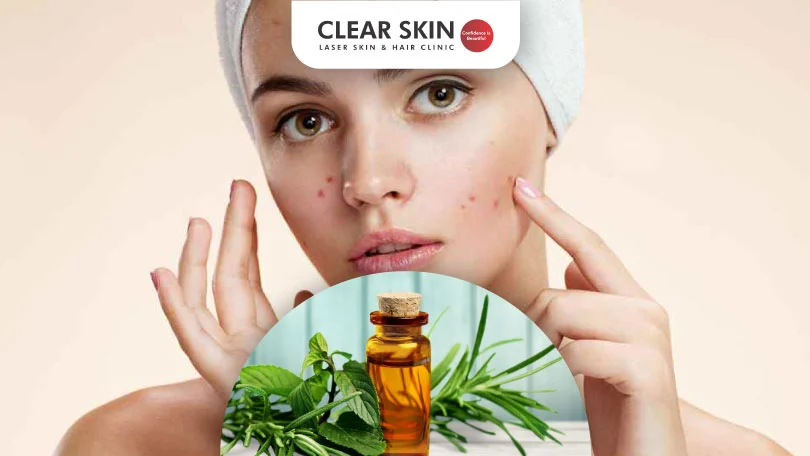
Tea Tree Oil for Acne: An Effective Natural Remedy
Acne can be a frustrating and confidence-denting skin condition, affecting millions of people worldwide. While there are countless acne treatments available, many are turning to natural remedies, like tea tree oil, for its potential ability to combat breakouts. But does it really work? Let’s dive into the science, benefits, and practical tips for using tea tree oil to treat acne.
What is Tea Tree Oil?
Tea tree oil is an essential oil derived from the leaves of the Melaleuca alternifolia tree, native to Australia. Known for its antiseptic and antimicrobial properties, tea tree oil has been used for centuries to treat various skin issues, including acne, cuts, and fungal infections.
The active compound in tea tree oil, terpinen-4-ol, is believed to be responsible for its antibacterial and anti-inflammatory effects. These properties make tea tree oil an intriguing option for those struggling with acne.
How Does Tea Tree Oil Help with Acne?
1. Kills Acne-Causing Bacteria
Research has shown that tea tree oil is effective at combating Propionibacterium acnes (P. acnes), the bacteria that contribute to acne development. By reducing bacterial growth on the skin, tea tree oil can help minimize breakouts.
2. Reduces Inflammation
Acne is often accompanied by redness, swelling, and irritation. Tea tree oil has anti-inflammatory properties that can soothe inflamed skin, making pimples less noticeable and painful.
3. Balances Oil Production
Excess oil (sebum) on the skin can clog pores, leading to acne. Tea tree oil may help regulate sebum production, keeping the skin balanced and less prone to breakouts.
Scientific Evidence Supporting Tea Tree Oil for Acne
Tea tree oil’s acne-fighting abilities are backed by several studies:
A 2007 study published in the Indian Journal of Dermatology, Venereology, and Leprology found that a 5% tea tree oil gel significantly reduced both inflammatory and non-inflammatory acne lesions after 45 days of use. It was just as effective as benzoyl peroxide but caused fewer side effects like dryness and peeling.
Another clinical trial in 1990 compared tea tree oil to benzoyl peroxide. The results showed that while both treatments improved acne, tea tree oil caused fewer irritating side effects, making it a gentler option.
How to Use Tea Tree Oil for Acne
1. Dilute It Properly
Tea tree oil is highly potent and should never be applied directly to the skin without dilution. Mix 1-2 drops of tea tree oil with a carrier oil, such as jojoba oil, coconut oil, or almond oil. A safe dilution is typically 5% tea tree oil (e.g., 1 part tea tree oil to 19 parts carrier oil).
2. Spot Treatment for Pimples
Use a cotton swab or clean fingertip to apply the diluted tea tree oil directly onto active pimples. Do this after cleansing your skin, and let it sit overnight for best results. Avoid applying to large areas of skin.
3. Add It to Your Skincare Products
If you prefer a less hands-on approach, you can mix a drop of tea tree oil into your regular moisturizer or facial cleanser. This ensures a consistent, even application.
4. Use Pre-Made Tea Tree Oil Products
Many skincare brands offer tea tree oil-infused products, such as cleansers, toners, and blemish sticks. These are pre-diluted for safe usage and often contain complementary acne-fighting ingredients.
Precautions When Using Tea Tree Oil for Acne
While tea tree oil is generally safe, there are a few precautions to keep in mind:
Patch Test First: Before applying tea tree oil to your face, conduct a patch test on your inner arm. Wait 24 hours to ensure you don’t experience redness, itching, or irritation.
Avoid Overuse: Using too much tea tree oil can dry out your skin and disrupt your skin’s natural barrier, potentially leading to further irritation or breakouts.
Don’t Ingest It: Tea tree oil is toxic if swallowed, so keep it out of reach of children and avoid using it on or near your mouth.
Consult a Dermatologist: If you have sensitive skin or a severe acne condition, it’s best to consult your dermatologist before incorporating tea tree oil into your routine.
Who Should Use Tea Tree Oil?
Tea tree oil can be an effective option for people with mild to moderate acne. It’s especially suitable for those who prefer a natural alternative to harsher treatments like benzoyl peroxide or salicylic acid. However, if you have severe cystic acne or highly sensitive skin, tea tree oil alone may not be sufficient, and you should consider consulting a skincare professional.
The Bottom Line
Tea tree oil is a powerful natural remedy with scientific backing for treating acne. Its antibacterial and anti-inflammatory properties can help reduce breakouts, calm redness, and balance oily skin when used correctly. However, it’s essential to dilute it properly, perform a patch test, and use it sparingly to avoid irritation.
Remember, while tea tree oil can be an effective tool in your acne-fighting arsenal, it’s not a one-size-fits-all solution. Pair it with a consistent skincare routine, a healthy lifestyle, and professional advice when needed for the best results.
If you’ve tried tea tree oil for your acne, share your experience in the comments below. Let’s help each other on the journey to clearer, healthier skin!