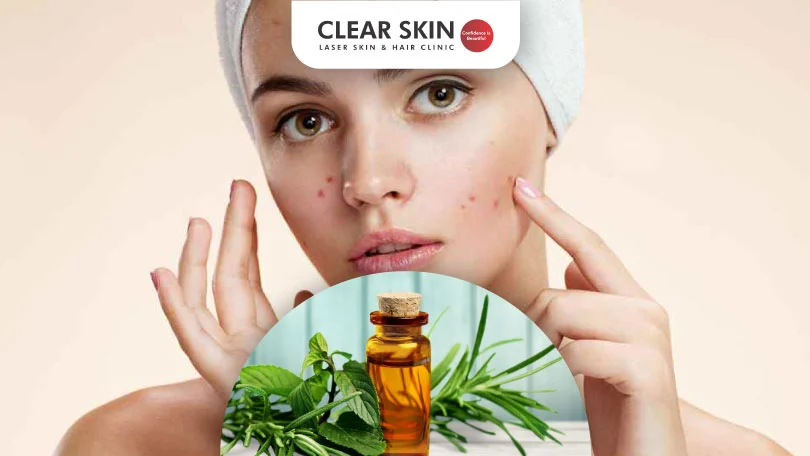
Introduction to Tea Tree Oil
Tea tree oil, a natural essential oil derived from the leaves of the Melaleuca alternifolia plant, has been used for centuries for its medicinal properties. In recent years, it has gained popularity as an alternative treatment for acne. But does it work? Let's dive into the scientific evidence and practical tips for using tea tree oil to treat acne.
The Science Behind Tea Tree Oil
Tea tree oil is known for its antimicrobial and anti-inflammatory properties. A well-cited study published in the Medical Journal of Australia found that a 5% tea tree oil gel was as effective as a 5% benzoyl peroxide solution in reducing acne lesions, albeit with a slower onset of action but fewer side effects such as dryness and irritation.
How Does It Work?
The key component in tea tree oil responsible for its acne-fighting properties is terpinen-4-ol, which helps to kill acne-causing bacteria and reduce inflammation. This makes tea tree oil an effective natural remedy for mild to moderate acne.
How to Use Tea Tree Oil for Acne
1. Dilution is Key
Undiluted tea tree oil can be irritating to the skin. It's crucial to dilute tea tree oil with a carrier oil such as jojoba or coconut oil before applying it to the skin. A safe dilution ratio is about 1-2 drops of tea tree oil per tablespoon of carrier oil.
2. Spot Treatment
For an effective spot treatment, dip a cotton swab into the diluted tea tree oil mixture and apply directly to the acne blemishes. This method is especially helpful for targeting specific areas without affecting the surrounding skin.
3. Incorporate into Skincare Routine
You can incorporate tea tree oil into your daily skincare routine by adding a few drops to your cleanser or moisturizer. This allows you to reap the benefits of tea tree oil regularly in a gentle manner.
Precautions and Side Effects
Potential Side Effects
While tea tree oil is generally safe for most skin types, it can cause allergic reactions or skin irritation, especially in those with sensitive skin. Always perform a patch test on a small area of skin before using it more extensively.
When to Avoid
- If you experience redness, itching, or a rash after using tea tree oil, discontinue use immediately.
- Avoid using tea tree oil near the eyes, as it can cause irritation.
- Pregnant or breastfeeding women should consult a healthcare provider before using tea tree oil.
Combining Tea Tree Oil with Other Treatments
Tea tree oil can be combined with other acne treatments for enhanced results. For instance, it can complement topical treatments like salicylic acid or niacinamide. However, be cautious when mixing products to avoid irritation from over-exfoliation or harsh ingredient combinations.
Conclusion
Tea tree oil offers a natural, evidence-backed solution for those seeking to manage mild to moderate acne. With its antimicrobial and anti-inflammatory properties, it can be a valuable addition to your skincare arsenal. Remember to use it responsibly by diluting it appropriately and performing patch tests to ensure your skin's safety.
By understanding how to use tea tree oil effectively and being aware of its potential side effects, you can harness its benefits for clearer, healthier skin. Consider consulting with a dermatologist to tailor your acne treatment plan to your specific skin needs.
Embrace the natural power of tea tree oil, and take a step closer to achieving your skincare goals.