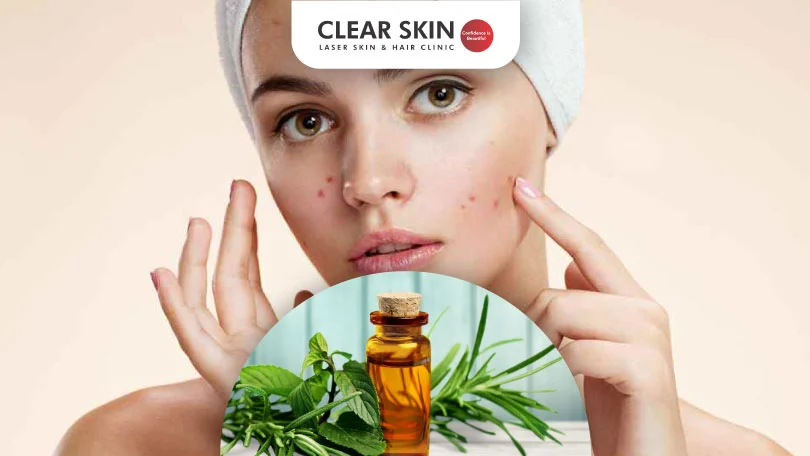
Tea Tree Oil for Acne: A Natural Solution That Works
Acne is one of the most common skin concerns affecting people worldwide. From teenagers dealing with hormonal changes to adults struggling with breakouts, finding effective treatments can be challenging. If you’re looking for a natural remedy, tea tree oil is often hailed as a powerful, plant-based solution for acne. But does it really work? Let’s dive into the science, benefits, and best practices for using tea tree oil to manage acne effectively.
What is Tea Tree Oil?
Tea tree oil is an essential oil derived from the leaves of the Melaleuca alternifolia tree, native to Australia. For centuries, it has been used for its antibacterial, antifungal, and anti-inflammatory properties, making it a popular choice for treating skin issues, including acne.
The active component of tea tree oil, known as terpinen-4-ol, is believed to be the key compound responsible for its antimicrobial effects. This makes it particularly effective against acne-causing bacteria like Propionibacterium acnes (now called Cutibacterium acnes).
How Does Tea Tree Oil Help Acne?
Several scientific studies support the effectiveness of tea tree oil in acne management. Let’s look at the key ways it works:
1. Kills Acne-Causing Bacteria
Tea tree oil’s antibacterial properties help combat Cutibacterium acnes, a bacteria that contributes to clogged pores and inflammation. By reducing bacterial growth, tea tree oil can prevent and reduce pimples.
2. Reduces Inflammation
Acne is often accompanied by redness and swelling. Tea tree oil has anti-inflammatory properties that soothe irritated skin, making it beneficial for calming inflamed breakouts.
3. Helps Regulate Oil Production
Excess oil can clog pores and worsen acne. Tea tree oil can help balance the skin’s natural oil production, reducing the likelihood of new pimples forming.
4. Promotes Healing
Tea tree oil aids in wound healing, which can be beneficial for post-acne scars or damaged skin from picking at blemishes.
What Does Science Say?
Research backs up tea tree oil’s role as a natural acne remedy:
A 1990 study published in the Medical Journal of Australia compared tea tree oil gel (5%) to benzoyl peroxide (5%) in treating mild to moderate acne. While benzoyl peroxide worked faster, tea tree oil caused fewer side effects like dryness and irritation.
A 2017 review in Clinical Microbiology Reviews highlighted tea tree oil’s antimicrobial activity and its potential to reduce acne-related inflammation.
These studies reinforce tea tree oil as an effective and gentler alternative to chemical treatments, though results may take longer to show.
How to Use Tea Tree Oil for Acne Safely
Tea tree oil is potent and must be used with care. Here’s a step-by-step guide:
Step 1: Dilute the Oil
Never apply pure tea tree oil directly to your skin—it can cause irritation or burns. Mix a few drops of tea tree oil with a carrier oil (such as coconut oil, jojoba oil, or almond oil) or blend it into aloe vera gel.
Step 2: Patch Test First
Before using tea tree oil on your face, perform a patch test. Apply a small amount to the inside of your wrist or behind your ear and wait 24 hours. If no irritation occurs, it’s safe to use.
Step 3: Target Individual Pimples
Use a cotton swab to apply the diluted tea tree oil directly to affected areas, such as individual pimples or acne spots. Avoid applying it to large areas of your face.
Step 4: Incorporate into Your Routine
You can add tea tree oil to your regular skincare routine by mixing it with your cleanser or moisturizer. However, make sure to use it sparingly—usually 1-2 drops are sufficient.
Precautions and Potential Side Effects
While tea tree oil is generally safe, it’s not without risks. Keep the following in mind:
- Skin Sensitivity: Tea tree oil may cause dryness, redness, or irritation, especially if used undiluted or on sensitive skin.
- Allergic Reactions: Some people are allergic to tea tree oil. Always perform a patch test first.
- Sun Sensitivity: Tea tree oil may make your skin more sensitive to sunlight. Apply sunscreen if you’re using tea tree oil during the day.
- Avoid Overuse: Using tea tree oil too frequently can disrupt your skin’s natural barrier and lead to more irritation. Stick to once or twice daily application.
Who Should (and Shouldn’t) Use Tea Tree Oil?
Tea tree oil is a great option for people with mild to moderate acne. However, it may not be suitable for everyone:
- Recommended for: Those with oily or acne-prone skin looking for a natural remedy.
- Avoid if: You have sensitive skin, eczema, or severe cystic acne. In such cases, consult a dermatologist for personalized treatment options.
Final Thoughts
Tea tree oil can be an effective natural remedy for acne, offering anti-inflammatory and antibacterial benefits without the harsh side effects of some chemical treatments. However, it’s important to use it properly—always dilute the oil, perform a patch test, and be mindful of your skin’s reaction.
While tea tree oil may not work for severe acne or everyone, it’s certainly worth trying if you’re seeking a gentle, natural alternative for clearer skin.
So, if you’re struggling with breakouts, why not give tea tree oil a shot? Your journey to healthier skin might just be one drop away!
FAQs
Can I leave tea tree oil on overnight?
Yes, but only if it’s properly diluted. Undiluted tea tree oil can cause irritation if left on for extended periods.
How long does it take to see results?
Results vary, but most people notice improvements within 4-6 weeks of consistent use.
Can tea tree oil be mixed with other acne treatments?
Yes, but avoid mixing it with strong chemical treatments like benzoyl peroxide or salicylic acid to prevent over-drying or irritation.
Tags
- "tea tree oil for acne"
- "natural acne remedies"
- "skincare tips"
- "acne treatment"
- "essential oils"
Read Time
8 minutes