Tea Tree Oil for Acne: What You Need to Know
Acne is a common skin concern that affects people of all ages. From over-the-counter products to DIY remedies, there’s no shortage of options for treatment. One natural solution that has gained widespread popularity is tea tree oil. But does it really work, and how can you use it safely? In this article, we’ll dive into the science behind tea tree oil, its benefits for acne prevention, and practical tips on incorporating it into your skincare routine.
What Is Tea Tree Oil?
Tea tree oil is an essential oil derived from the leaves of the Melaleuca alternifolia, a plant native to Australia. Known for its antimicrobial and anti-inflammatory properties, tea tree oil has been used for centuries to treat various skin conditions. Today, it’s a popular ingredient in acne treatments due to its ability to target acne-causing bacteria and soothe irritated skin.
The Science Behind Tea Tree Oil and Acne
The effectiveness of tea tree oil for acne isn’t just anecdotal—there’s scientific evidence to back it up. Studies show that tea tree oil contains terpinen-4-ol, a compound with strong antibacterial and anti-inflammatory properties. Here’s how it works to combat acne:
1. Kills Acne-Causing Bacteria
Acne is often caused by the overgrowth of bacteria called Propionibacterium acnes (P. acnes). Tea tree oil’s antibacterial properties help reduce bacterial load on the skin, minimizing the risk of clogged pores and breakouts.
2. Reduces Inflammation
Inflammatory acne lesions like papules and pustules often result in redness, swelling, and discomfort. The anti-inflammatory nature of terpinen-4-ol can help calm irritated skin, leading to faster healing.
3. Regulates Oil Production
Excess sebum (oil) is a major contributor to acne. Tea tree oil can balance oil production on the skin, preventing pores from becoming clogged with oil and debris.
Supporting Research:
A 2007 study published in the Indian Journal of Dermatology, Venereology, and Leprology found that a 5% tea tree oil gel was as effective as a 5% benzoyl peroxide solution in reducing acne lesions, though tea tree oil worked more slowly but caused fewer side effects.
How to Use Tea Tree Oil for Acne Prevention
While tea tree oil is a powerful natural remedy, using it improperly can irritate your skin. Follow these tips to ensure safe and effective application:
1. Dilute It
Tea tree oil is highly concentrated and should never be applied directly to your skin. Mix a few drops of tea tree oil with a carrier oil like jojoba oil, almond oil, or coconut oil. A safe ratio is 1-2 drops of tea tree oil per teaspoon of carrier oil.
2. Patch Test First
Before applying tea tree oil to your face, perform a patch test. Apply the diluted mixture to a small area of your skin, such as your inner wrist, and wait 24 hours. If you experience redness, itching, or irritation, avoid using it.
3. Incorporate It Into Your Routine
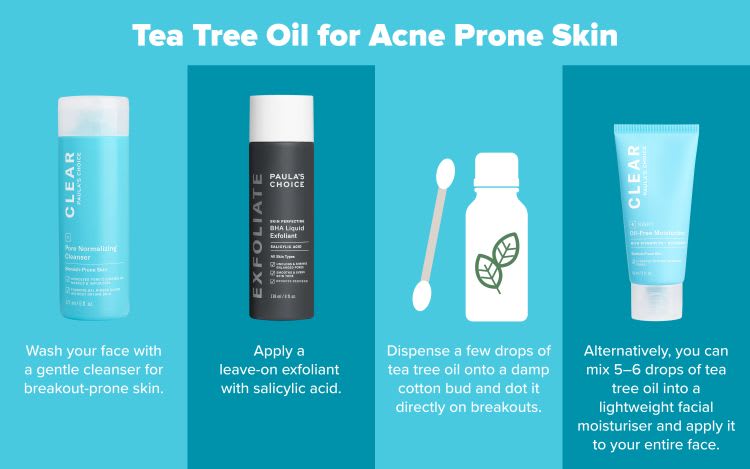
You can use diluted tea tree oil as a spot treatment for active pimples or mix it into your moisturizer for regular use. Avoid applying it more than once a day, as overuse can lead to dryness or sensitivity.
4. Don’t Forget Sunscreen
Tea tree oil can make your skin more sensitive to UV rays. Always apply sunscreen with at least SPF 30 when using tea tree oil, especially during the day.
DIY Tea Tree Oil Recipes for Acne Prevention
Spot Treatment Recipe
- 1 drop of tea tree oil
- 1 teaspoon of aloe vera gel (a soothing carrier base)
Mix the ingredients and apply directly to blemishes using a cotton swab. Leave it on overnight and rinse in the morning.
Face Mask Recipe
- 2 drops of tea tree oil
- 1 tablespoon of honey (antibacterial and moisturizing)
Apply the mixture to clean skin and let it sit for 10–15 minutes before rinsing with lukewarm water.
Potential Side Effects and Precautions
While tea tree oil is generally safe for most skin types, it’s not suitable for everyone. Here are some precautions to keep in mind:
- Avoid Undiluted Application: Undiluted tea tree oil can cause skin irritation, redness, or burning.
- Not for Sensitive Skin: If you have sensitive or allergy-prone skin, consult a dermatologist before using tea tree oil.
- Don’t Ingest: Tea tree oil is toxic when ingested. Keep it away from your mouth and eyes.
- Monitor for Side Effects: If you experience excessive dryness, peeling, or irritation, discontinue use immediately.
When to Seek Professional Help
While tea tree oil can be a helpful natural remedy, it’s not a cure-all for acne. If your acne is severe, persistent, or causing emotional distress, consult a dermatologist. A professional can recommend advanced treatments like prescription medications or in-office procedures tailored to your specific needs.
Final Thoughts
Tea tree oil offers a promising, science-backed option for acne prevention and treatment. Its antibacterial, anti-inflammatory, and oil-regulating properties make it a versatile tool in your skincare arsenal. However, proper usage and precautions are crucial to avoid irritation. By incorporating tea tree oil into a comprehensive skincare routine, you can enjoy clearer, healthier-looking skin naturally.
Ready to give tea tree oil a try? Remember to start small, patch test diligently, and always prioritize safety. Your skin will thank you!
Disclaimer: This article is for informational purposes only and is not a substitute for professional medical advice. Always consult a dermatologist for personalized recommendations.