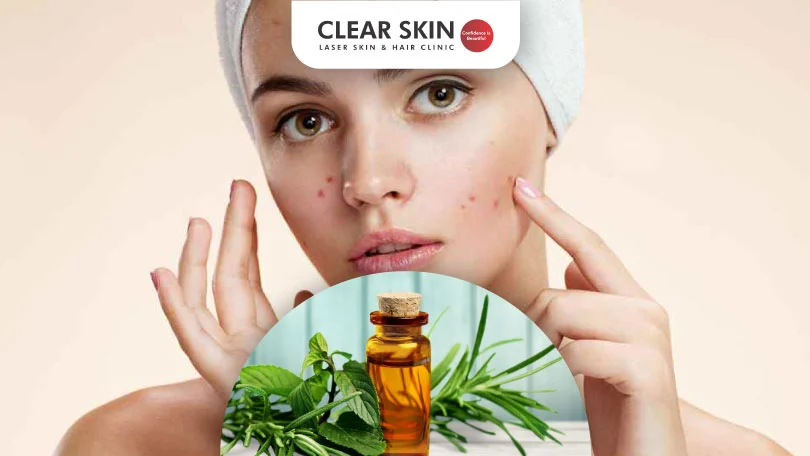
Tea Tree Oil for Acne: Benefits, How to Use & Precautions
Acne can be a frustrating skin condition, impacting not just your complexion but often your confidence. If you’re searching for natural ways to tackle breakouts, tea tree oil might just be the solution you’ve been looking for. Known for its antibacterial and anti-inflammatory properties, tea tree oil has gained popularity as a potent yet gentle remedy for acne. Let’s explore what makes this essential oil so effective, how to use it safely, and key precautions to keep in mind.
What Is Tea Tree Oil?
Tea tree oil is an essential oil derived from the leaves of the Melaleuca alternifolia plant, native to Australia. For centuries, it has been used as a traditional remedy to treat wounds and infections due to its impressive antimicrobial properties. Today, tea tree oil is celebrated in skincare for its ability to target bacteria, soothe inflammation, and support overall skin health.
Why Tea Tree Oil Works for Acne
1. Antibacterial Action Against Acne-Causing Bacteria
Acne often develops when Propionibacterium acnes (P. acnes), a type of bacteria, builds up in clogged pores. Tea tree oil contains terpinen-4-ol, a compound scientifically proven to kill P. acnes bacteria. According to a study published in the Journal of the American Academy of Dermatology, a 5% tea tree oil gel was as effective as benzoyl peroxide in reducing acne lesions, with fewer side effects like dryness and irritation.
2. Anti-Inflammatory Benefits
Inflamed, red pimples can be painful and hard to hide. Tea tree oil is known for its anti-inflammatory properties, which help reduce swelling, redness, and discomfort associated with acne.
3. Non-Comedogenic
Unlike some heavy oils that can clog pores, tea tree oil is lightweight and non-comedogenic, meaning it won’t contribute to further breakouts.
How to Use Tea Tree Oil for Acne
Tea tree oil is a highly concentrated substance, so it’s essential to use it correctly to avoid potential irritation. Follow these steps for safe application:
1. Dilution Is Key
Never apply pure tea tree oil directly to your skin—it’s too strong and may cause irritation or dryness. Dilute it before use:
- Mix 1-2 drops of tea tree oil with a carrier oil like jojoba oil, coconut oil, or almond oil.
- Alternatively, add a few drops to your moisturizer or toner.
2. Spot Treatment
Tea tree oil works best when applied directly to acne spots. Here’s how to do it:
- After cleansing your face, use a cotton swab to dab the diluted tea tree oil onto active pimples.
- Allow it to absorb fully before layering additional products.
3. DIY Tea Tree Oil Face Mask
For a weekly acne-fighting boost, try a DIY mask:
- Combine 1-2 drops of tea tree oil with green clay or honey.
- Apply the mixture evenly to your face, avoiding sensitive areas like the eyes.
- Leave on for 10-15 minutes, then rinse thoroughly.
Precautions to Keep in Mind
While tea tree oil is generally safe, it’s important to use it correctly to avoid unwanted side effects. Here are a few tips:
- Perform a Patch Test: Before applying tea tree oil to your face, test it on a small area of skin, like your wrist, to check for any allergic reactions.
- Avoid Overuse: Using tea tree oil too frequently can dry out your skin, which may lead to irritation or trigger your oil glands to produce more sebum.
- Don’t Mix with Harsh Products: Avoid combining tea tree oil with other strong acne treatments (e.g., salicylic acid or benzoyl peroxide) as this can cause excessive dryness or irritation.
- Protect Your Skin from the Sun: Tea tree oil can make your skin more sensitive to UV rays, so always use sunscreen when heading outdoors.
Who Should Use Tea Tree Oil?
Tea tree oil is suitable for mild to moderate acne sufferers looking for a natural solution. It’s particularly beneficial for:
- Those with oily or combination skin.
- Individuals sensitive to conventional treatments like benzoyl peroxide.
However, if you have severe or cystic acne, tea tree oil alone may not be sufficient. Consult a dermatologist for more targeted therapies.
Final Thoughts: Is Tea Tree Oil Right for You?
Tea tree oil is a powerful, natural remedy for acne that’s backed by science and loved by skincare enthusiasts worldwide. Its ability to reduce bacteria, calm inflammation, and target pimples makes it a versatile addition to your skincare routine. Remember to dilute it properly, perform a patch test, and avoid overuse for the best results.
While tea tree oil can work wonders for many, skincare isn’t one-size-fits-all. If you’re unsure about incorporating tea tree oil into your routine, speak to a dermatologist to find the right approach for your skin.
Actionable Tips for Success
- Start slow—use tea tree oil 2-3 times a week and monitor your skin’s response.
- Always dilute tea tree oil before application to avoid irritation.
- Pair tea tree oil treatments with a gentle cleanser and moisturizer to maintain skin hydration.
- Wear sunscreen daily to protect your skin from UV damage.
Give tea tree oil a try, and it may just become your go-to natural remedy for clearer, healthier skin!