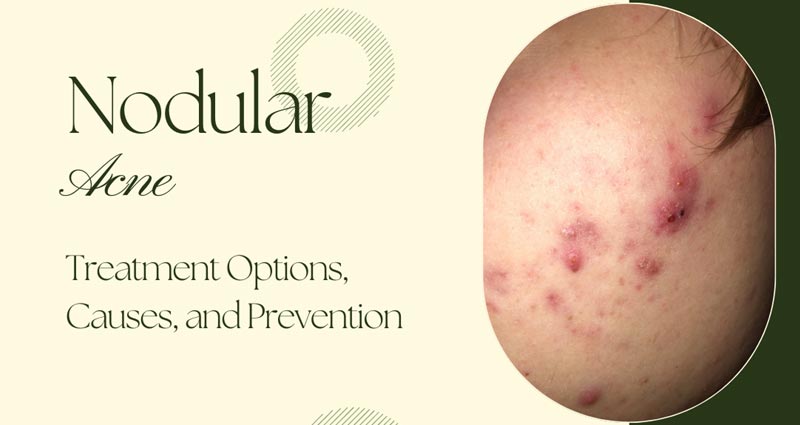
Understanding Stress-Related Acne
Stress is an unavoidable part of life, but its impact on your skin can be frustrating—especially when it leads to acne breakouts. Scientifically speaking, stress activates your body's fight-or-flight response, increasing the production of cortisol, a stress hormone. Elevated cortisol levels can trigger excess oil production in your sebaceous glands, clogging pores and fueling acne formation. Additionally, stress can weaken your skin’s barrier, making it more prone to inflammation.
While stress-related acne can feel like a double burden, the good news is that there are natural remedies that can help. Let’s dive into how you can manage and reduce stress-related breakouts using evidence-based strategies and lifestyle changes.
Manage Stress to Manage Your Skin
Before addressing acne itself, it’s essential to focus on reducing stress. Here are some proven techniques to keep your stress levels in check:
1. Mindfulness and Meditation
Practicing mindfulness or meditation can significantly lower stress levels and improve skin health. Studies show that mindfulness reduces cortisol production, helping to prevent stress-induced acne. Start small—10 minutes of deep breathing or guided meditation daily can make a difference. Apps like Headspace or Calm can be great tools for beginners.
2. Exercise Regularly
Physical activity not only enhances your mood but also helps regulate hormonal imbalances caused by stress. Moderate-intensity exercises like yoga, swimming, or brisk walking improve circulation and reduce cortisol levels. Plus, exercise promotes sweating, which flushes out toxins from your skin. Just remember to cleanse your skin post-workout to prevent clogged pores.
3. Prioritize Sleep
Lack of sleep exacerbates stress and inflammation, which can worsen acne. Aim for 7–9 hours of quality sleep every night. Create a sleep-friendly environment by keeping your bedroom dark, cool, and free from distractions. A consistent bedtime routine can also signal your body to wind down, promoting deeper rest.
Natural Remedies for Stress-Related Acne
Once you’ve addressed stress triggers, it’s time to tackle the acne itself using natural methods. Here are some practical solutions backed by science:
1. Tea Tree Oil for Spot Treatment
Tea tree oil is a powerful antibacterial and anti-inflammatory agent that can effectively combat acne caused by stress. Dilute a few drops of tea tree oil with a carrier oil like jojoba or coconut oil and apply it directly to blemishes. Studies show that tea tree oil reduces acne severity and inflammation with regular use.
2. Aloe Vera for Soothing Inflammation
Aloe vera is a natural healer packed with antioxidants and anti-inflammatory properties. Apply pure aloe vera gel directly to affected areas to calm redness, swelling, and irritation. If your stress-related acne feels inflamed, aloe vera can provide immediate relief while supporting skin healing.
3. Chamomile for Calming Effects
Chamomile isn’t just a soothing tea—it can also work wonders on your skin. Brew chamomile tea, let it cool, and use it as a toner to reduce redness and inflammation. The calming compounds in chamomile can help counteract stress-induced skin irritation.
4. Green Tea for Antioxidant Power
Green tea is rich in polyphenols, particularly EGCG (epigallocatechin gallate), which has anti-inflammatory and antibacterial effects. Drinking green tea daily can help regulate hormones and reduce acne severity. You can also use green tea topically—apply cooled, brewed tea to your skin or mix it into DIY masks for an extra boost.
5. Omega-3 Fatty Acids for Skin Health
Omega-3 fatty acids found in foods like salmon, walnuts, and flaxseeds help fight inflammation and regulate hormonal imbalances. Incorporate these healthy fats into your diet to improve overall skin health and reduce stress-related acne flare-ups.
Building a Stress-Friendly Skincare Routine
Adopting a gentle skincare routine is key to managing stress-related acne. Harsh products can irritate already inflamed skin, so focus on soothing, non-comedogenic options. Here’s a simple, step-by-step regimen:
Morning Routine:
- Cleanser: Use a mild, sulfate-free cleanser to remove excess oil.
- Moisturizer: Hydrate with a lightweight, non-comedogenic moisturizer. Look for calming ingredients like ceramides or niacinamide.
- Sunscreen: Always apply broad-spectrum SPF to protect your skin from harmful UV rays.
Evening Routine:
- Cleanser: Double cleanse if you wear makeup or sunscreen during the day.
- Treatment: Use natural remedies like tea tree oil or aloe vera for targeted areas.
- Moisturizer: Reapply a hydrating moisturizer to support skin repair overnight.
Final Thoughts
Stress-related acne is a common and frustrating concern, but with the right approach, you can manage it effectively. By combining stress-reduction techniques with natural skincare remedies, you’re empowering your skin to heal and thrive. Remember, consistency is key—these remedies take time to show results, so stick with them and be patient with your skin.
Your mental health and skin health are deeply connected, so don’t hesitate to prioritize self-care. Stress may be inevitable, but acne doesn’t have to be. Take proactive steps today and enjoy clearer, calmer skin tomorrow!
Related Articles
- "The Role of Gut Health in Acne Management"
- "Top 10 Foods That Help Fight Acne Naturally"
- "The Science Behind Hormonal Acne and How to Treat It Naturally"
References
- Arck, P., & Slominski, A. (2010). The impact of stress on skin: Pathophysiology and therapy. Experimental Dermatology.
- Bowe, W. P., & Logan, A. C. (2011). Acne vulgaris, probiotics, and the gut-brain-skin axis. Gut Pathogens.
- Enshaieh, S., Jooya, A., Siadat, A. H., & Iraji, F. (2007). The efficacy of 5% tea tree oil gel in mild to moderate acne vulgaris: A randomized, double-blind placebo-controlled study. Indian Journal of Dermatology, Venereology and Leprology.