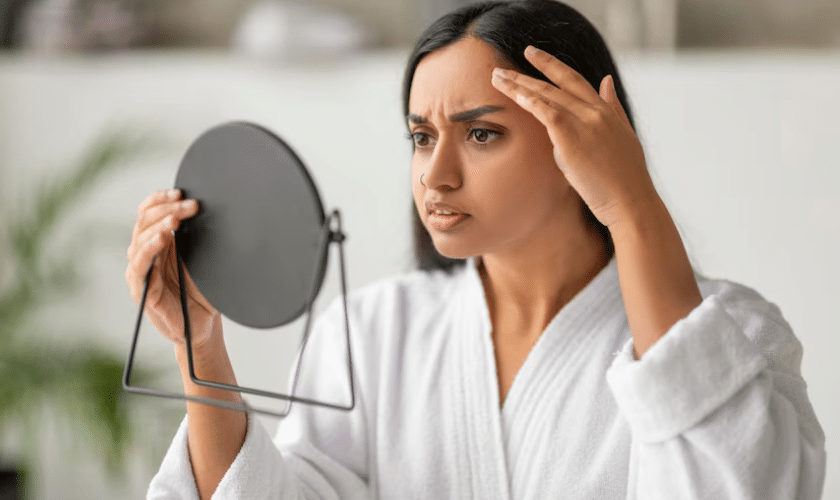
Introduction: The Link Between Stress and Acne
Stress has a way of wreaking havoc on more than just your mental health—it can also affect your skin. If you’ve noticed an increase in breakouts during stressful periods, you’re not alone. According to research, stress can trigger acne flare-ups by influencing hormones and inflammation in your body. Managing stress-related acne requires a combination of skincare, lifestyle changes, and stress-reduction techniques. Let’s dive into how you can prevent and manage this type of acne effectively.
How Does Stress Trigger Acne?
Understanding the Science Behind Stress and Skin
When you’re stressed, your body produces higher levels of cortisol, the stress hormone. Elevated cortisol can lead to increased oil production in your skin’s sebaceous glands, clogging your pores and paving the way for acne breakouts. Stress may also worsen inflammation in your body, making existing pimples redder, larger, and more painful. Additionally, stress can disrupt your sleep and immune function, impairing your skin’s ability to heal and fight off bacteria.
Research published in the Journal of Clinical and Aesthetic Dermatology notes that psychological stress can exacerbate inflammatory skin conditions, including acne. This mind-skin connection underscores the importance of managing stress as part of your acne prevention strategy.
Practical Tips for Managing Stress-Related Acne
1. Adopt a Stress-Busting Routine
Incorporating stress-management techniques into your daily life can significantly reduce acne flare-ups. Consider practicing mindfulness meditation, yoga, or deep breathing exercises. Studies have shown that mindfulness-based stress reduction can lower cortisol levels and improve overall well-being.
Here’s a simple breathing exercise to try:
- Sit in a comfortable position and close your eyes.
- Breathe in deeply through your nose for a count of four.
- Hold your breath for a count of four.
- Exhale slowly through your mouth for a count of four.
Repeat this cycle for five minutes to calm your mind and body.
2. Maintain a Clean, Consistent Skincare Routine
When stress levels rise, it’s crucial to stick to a skincare routine that supports your skin’s health. Follow these steps:
- Cleanse: Use a gentle, non-comedogenic cleanser twice daily to remove excess oil and dirt without stripping your skin.
- Moisturize: Keep your skin hydrated with an oil-free moisturizer to prevent overproduction of sebum. Look for ingredients like hyaluronic acid or ceramides.
- Spot Treatment: Apply acne-fighting products containing benzoyl peroxide, salicylic acid, or tea tree oil directly to blemishes.
- Sun Protection: Opt for a broad-spectrum sunscreen with SPF 30 or higher to protect your skin from UV damage, which can worsen acne scars and inflammation.
3. Prioritize Sleep Hygiene
Sleep plays a critical role in stress management and skin health. Poor sleep increases cortisol levels and impairs your skin’s ability to repair itself. Aim for 7-9 hours of quality sleep each night.
To improve your sleep:
- Stick to a consistent sleep schedule, even on weekends.
- Avoid caffeine and heavy meals in the evening.
- Create a calming bedtime routine, such as reading or taking a warm bath.
4. Nourish Your Skin from the Inside Out
What you eat can impact your stress levels and skin health. Focus on a balanced diet rich in antioxidants, vitamins, and minerals to support your skin.
- Omega-3 Fatty Acids: Found in salmon, walnuts, and flaxseeds, omega-3s can reduce inflammation linked to acne.
- Zinc: Zinc-rich foods like beans, lentils, and pumpkin seeds can help regulate oil production and accelerate healing.
- Avoid Refined Sugars: High sugar intake can spike insulin levels, potentially worsening acne. Choose whole grains and complex carbs instead.
5. Exercise Regularly
Physical activity is a proven stress-reliever and can help regulate hormone levels. Exercise improves blood circulation, delivering nutrients and oxygen to your skin while removing toxins. Just remember to cleanse your face after a workout to prevent sweat from clogging your pores.
Long-Term Strategies to Prevent Stress-Induced Acne
Build Resilience to Stress
While stress is inevitable, how you handle it can make a huge difference in your skin’s health. Building resilience through techniques like journaling, gratitude practices, or scheduling regular “me-time” can lower your stress response over time.
Recognize Your Stress Triggers
Take note of situations or habits that exacerbate your stress. Identifying these triggers allows you to prepare, avoid, or adapt your reaction to these stressors.
Seek Professional Help If Needed
If stress is overwhelming and affecting your overall health, consider seeking support from a mental health professional. Similarly, if your acne persists despite your best efforts, consult a dermatologist for personalized treatment options. They may recommend prescription medications like retinoids or oral antibiotics to manage your acne more effectively.
Conclusion
Stress-related acne is frustrating, but with the right tools and habits, you can take control of your skin and overall well-being. By adopting stress-reducing practices, maintaining a consistent skincare routine, and nourishing your body, clearer skin is within reach. Remember, managing acne is a journey—it’s okay to seek professional guidance along the way. Commit to small, actionable changes daily, and your skin (and mind) will thank you.