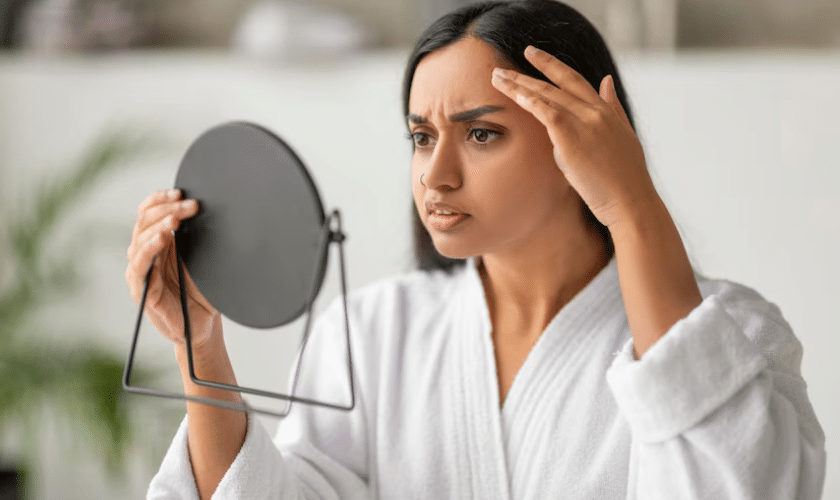
Stress-Related Acne Management: Clear Skin in Times of Chaos
Stress is an inevitable part of life, but did you know it can wreak havoc on your skin? When tension starts to build, your body undergoes a series of physiological changes that can lead to acne flare-ups. Stress-related acne is one of the most common concerns dermatologists hear about, but the good news is that it’s manageable. In this post, we’ll dive into the connection between stress and acne and share evidence-based tips to help you achieve clearer skin—even during stressful times.
How Does Stress Cause Acne?
Stress isn’t a direct cause of acne, but it’s definitely a contributing factor. When you’re stressed, your body releases higher levels of cortisol, the stress hormone. Elevated cortisol can trigger a cascade of skin issues:
- Increased oil production: Stress stimulates your sebaceous glands to produce excess sebum, leading to clogged pores and acne.
- Inflammation: Chronic stress exacerbates inflammation, worsening conditions like acne and redness.
- Compromised skin barrier: Stress can weaken your skin’s protective barrier, making it more prone to irritation and breakouts.
- Behavioral factors: Stress often leads to habits like touching your face or picking at blemishes, which can worsen acne.
Scientific studies have confirmed this connection. A 2017 study published in the Clinical, Cosmetic and Investigational Dermatology journal found that stress exacerbated acne severity in college students during exams. In short, stress impacts your skin both internally and externally.
Signs Your Acne Is Stress-Related
Wondering if stress is the culprit behind your breakouts? Here are a few telltale signs:
- Timing: Acne flares up during high-pressure situations, like exams, work deadlines, or personal challenges.
- Location: Stress-related acne often appears on your forehead, chin, or jawline.
- Other stress symptoms: You may also experience tension headaches, sleep disturbances, or fatigue alongside breakouts.
Identifying stress as a trigger is the first step toward effective management.
Practical Strategies to Manage Stress-Related Acne
While eliminating stress entirely is impossible, managing its impact on your skin is achievable. Let’s explore some dermatologist-approved tips:
1. Adopt Stress-Reducing Techniques
Managing your stress levels is key to controlling stress-related acne. Evidence-based methods include:
- Meditation and mindfulness: Studies show that mindfulness practices reduce cortisol levels and improve overall skin health.
- Exercise: Physical activity not only relieves stress but also promotes circulation, helping your skin look radiant. Choose activities like yoga, brisk walking, or dance.
- Deep breathing: Take a few minutes each day to practice deep breathing exercises. This lowers cortisol and helps balance your body.
2. Maintain a Consistent Skincare Routine
During stressful times, sticking to a simple yet effective skincare routine is crucial. Here’s what to include:
- Gentle cleanser: Opt for a non-comedogenic cleanser to keep your skin clean without stripping its natural oils.
- Hydrating moisturizer: Stress can dry out your skin, so keep it hydrated with a lightweight, oil-free moisturizer.
- Targeted treatment: Use acne medications containing salicylic acid, benzoyl peroxide, or adapalene to treat active breakouts.
- SPF protection: Stress can make your skin more sensitive to UV rays. Wear sunscreen daily to prevent damage.
3. Nourish Your Body with Skin-Loving Foods
Your diet plays a significant role in managing stress and its impact on your skin. Focus on:
- Anti-inflammatory foods: Include omega-3-rich salmon, walnuts, and flaxseeds to combat inflammation.
- Low-glycemic foods: High-sugar diets can worsen acne. Opt for whole grains, vegetables, and lean proteins.
- Hydration: Drink plenty of water to flush out toxins and keep your skin hydrated.
4. Limit Stress-Induced Habits
Stress often leads to unconscious habits that worsen acne, such as:
- Face-touching: Avoid touching your face throughout the day.
- Pimple-picking: Picking at blemishes can cause scarring and increase inflammation.
- Skipping skincare: Stay consistent with your routine, even during hectic times.
When to Seek Professional Help
If your stress-related acne persists despite lifestyle adjustments, it’s time to consult a dermatologist. Treatments like prescription topical medications, oral antibiotics, or hormonal therapy may be necessary. Additionally, dermatologists can help identify whether underlying conditions, like hormonal imbalances, are contributing to your acne.
Final Thoughts
Stress-related acne can feel overwhelming, but by understanding the connection between stress and your skin, you can take proactive steps toward clearer skin. Incorporate stress management techniques, maintain a consistent skincare routine, and nourish your body with the right foods. Remember, patience and consistency are key.
Taking care of your mental health is just as important as caring for your skin. By addressing both, you’ll be well on your way to achieving a stress-free glow.
Have questions about stress-related acne? Let us know in the comments below—your skin journey matters!