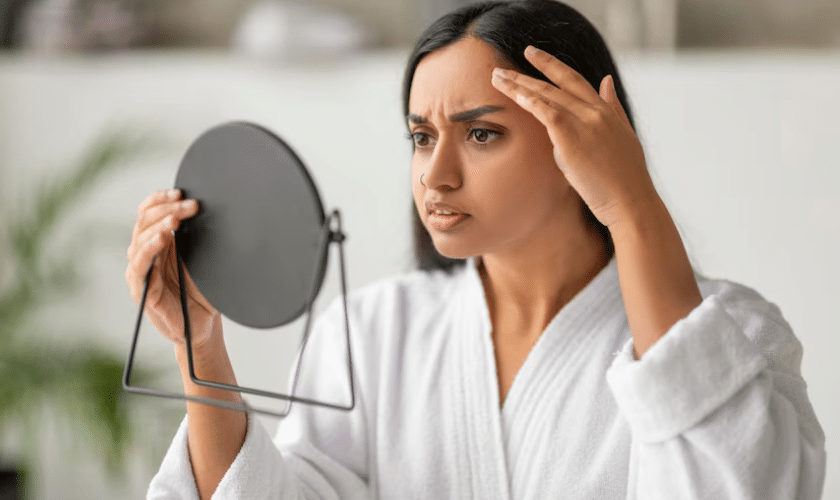
Understanding Stress-Related Acne
Stress has a notorious reputation for wreaking havoc on the body, and your skin is no exception. When stress levels soar, your body releases cortisol, a hormone that can trigger increased oil production in your skin glands. This excess oil often clogs pores, leading to acne flare-ups. Stress can also exacerbate inflammation, making existing breakouts worse.
The Science Behind Stress and Skin
Research has shown that stress activates the hypothalamic-pituitary-adrenal (HPA) axis, which increases the production of hormones like cortisol. Elevated cortisol levels can ramp up sebum (oil) production, creating an environment ripe for acne-causing bacteria, such as Cutibacterium acnes, to thrive. Additionally, stress can impair your skin's barrier function, making it more susceptible to irritation and redness.
If you’ve noticed a spike in breakouts before exams, deadlines, or other high-pressure situations, stress may be a key factor influencing your skin health.
Signs That Stress Might Be Behind Your Acne
Wondering whether stress is the culprit? Here are some telltale signs:
- Breakouts consistently occur during stressful periods (e.g., exams, work deadlines).
- Acne appears primarily on the jawline, chin, or neck, areas often affected by hormonal fluctuations.
- Skin feels more sensitive, dry, or inflamed than usual.
Identifying these patterns can help you develop targeted strategies to protect your skin during stressful times.
Actionable Tips to Manage Stress-Related Acne
The good news? Stress-related acne can be effectively managed with mindful skincare and lifestyle adjustments. Let’s dive into practical strategies:
1. Adopt a Stress-Reduction Routine
Managing stress is foundational to preventing flare-ups. Incorporate stress-reducing activities into your daily life:
- Practice mindfulness: Meditation and deep-breathing exercises reduce cortisol levels, calming both your mind and skin.
- Stay active: Regular exercise not only boosts endorphins (happy hormones) but also improves circulation, which can support clearer skin.
- Set boundaries: Avoid overcommitting and take breaks when needed to reduce ongoing stress.
2. Use Gentle, Acne-Friendly Skincare Products
When stress strikes, your skin may become more reactive. Opt for products that soothe and support your skin:
- Cleanse gently: Use a mild, non-comedogenic cleanser to remove excess oil without stripping your skin.
- Hydrate deeply: Look for moisturizers with calming ingredients like niacinamide or hyaluronic acid.
- Spot treat wisely: Salicylic acid or benzoyl peroxide can target pimples effectively, but avoid overusing them to prevent irritation.
Consistency is key. Stick to your routine even during stressful periods to minimize flare-ups.
3. Prioritize Sleep and Nutrition
Sleep and diet play critical roles in managing stress and skin health:
- Get quality sleep: Aim for 7–9 hours of sleep per night to allow your skin time to repair and regenerate.
- Eat a balanced diet: Include anti-inflammatory foods such as fatty fish, leafy greens, and berries. Avoid excessive sugar and processed foods, which can contribute to inflammation and acne.
4. Avoid Overwashing or Over-Treating
In an effort to ‘fix’ stress-related acne, many people over-cleanse or use harsh treatments, which can backfire. Instead:
- Limit cleansing to twice a day—morning and evening.
- Avoid scrubbing your skin or using abrasive exfoliants during flare-ups.
Treat your skin with care, especially when it’s already stressed.
5. Create an Evening Wind-Down Routine
Unwind at the end of the day with a calming nighttime ritual. This can include:
- Applying a soothing face mask with ingredients like aloe vera or chamomile.
- Journaling to release pent-up emotions.
- Drinking herbal tea, such as chamomile or peppermint, known to reduce stress.
A relaxed evening routine can lower cortisol levels and help your skin recover overnight.
When to Seek Professional Help
If stress-related acne persists despite your best efforts, it may be time to consult a dermatologist. Prescription treatments, such as topical retinoids or oral medications, can target stubborn breakouts effectively. Additionally, a professional can guide you in identifying underlying triggers, including hormonal imbalances or chronic stress.
Final Thoughts
Stress-related acne is frustrating, but it’s not unbeatable. By managing your stress levels, adopting a tailored skincare routine, and making lifestyle adjustments, you can take control of your skin health and reduce breakouts over time. Remember, clear skin begins with a balanced mind—and every small step toward reducing stress can have a big impact.
Take a deep breath, prioritize self-care, and remember that your skin is resilient. You’ve got this!
If you found these tips helpful, share this article with someone who might need it. Let’s tackle stress-related acne together and embrace healthier, happier skin!