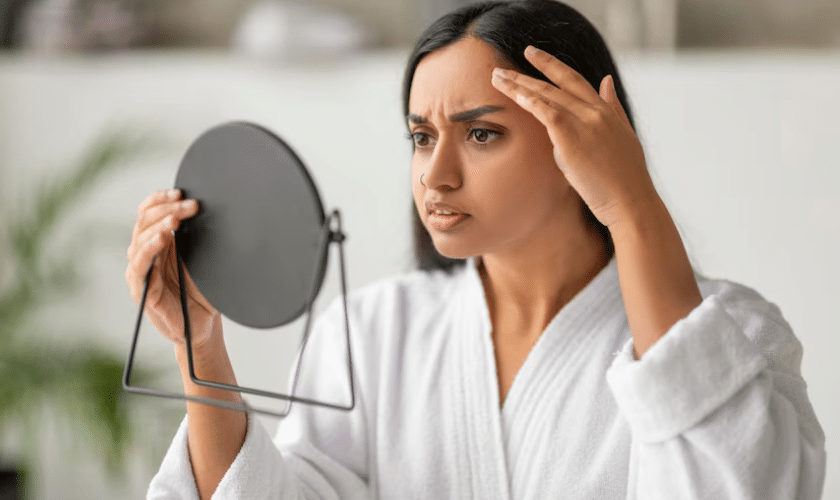
Understanding Stress-Related Acne
Stress is a common culprit behind acne flare-ups, and for good reason. When you're stressed, your body releases hormones like cortisol, which can lead to increased oil production in your skin. This excess oil can clog your pores, creating a perfect environment for acne to thrive.
The Science Behind Stress and Acne
Research has shown that stress can disrupt your body's natural balance in several ways:
- Hormonal Imbalance: Stress elevates cortisol levels, which can stimulate your sebaceous glands to produce more oil. Excess oil often results in clogged pores and inflammation.
- Weakened Skin Barrier: Chronic stress can impair your skin's ability to protect itself, making it more prone to irritation and acne.
- Increased Inflammation: Stress activates inflammatory pathways in the body, which can worsen acne redness and swelling.
If you’ve ever noticed your skin breaking out during exams, work deadlines, or personal challenges, stress-related acne may be the reason.
Signs of Stress-Related Acne
Stress-related acne often appears in areas where oil glands are more active, such as the forehead, cheeks, and chin. Key signs include:
- Sudden flare-ups during stressful periods
- Red, inflamed pimples or papules
- Persistent acne despite regular skincare routines
If these symptoms resonate with you, tackling stress management alongside skincare might be key to clearer skin.
Practical Tips for Managing Stress-Related Acne
1. Practice Stress-Reduction Techniques
Managing stress is crucial for reducing acne flare-ups. Engage in activities that help lower cortisol levels, such as:
- Exercise: Physical activity releases endorphins, which help combat stress. Aim for 30 minutes of moderate exercise most days.
- Meditation and Breathing Exercises: Regular meditation or deep breathing practices can help calm your mind and reduce stress's physical effects.
- Hobbies: Spend time doing activities you enjoy, such as reading, painting, or gardening, to relax your mind.
2. Adopt a Stress-Friendly Skincare Routine
Your skincare routine can make a big difference in managing stress-related acne:
- Cleanse Gently: Use a mild, non-comedogenic cleanser twice daily to remove excess oil and impurities.
- Moisturize: Even oily skin needs hydration. Opt for a lightweight, oil-free moisturizer to maintain your skin barrier.
- Spot Treatments: Look for acne treatments with benzoyl peroxide or salicylic acid to target active breakouts.
- Avoid Over-Exfoliating: Too much exfoliation can irritate stressed skin, leading to more inflammation.
3. Watch Your Diet
Stress can lead to unhealthy eating habits, such as indulging in sugary or greasy foods, which may exacerbate acne. Focus on:
- Skin-Friendly Foods: Include omega-3 fatty acids (found in salmon and walnuts), antioxidants (berries and leafy greens), and zinc-rich foods (pumpkin seeds) to support clearer skin.
- Stay Hydrated: Drink plenty of water to flush out toxins and keep your skin well-hydrated.
4. Sleep Your Way to Clearer Skin
Quality sleep is essential for managing stress and maintaining healthy skin. Aim for 7-9 hours of sleep per night to allow your body to repair and regenerate. Create a bedtime routine to optimize sleep quality, such as avoiding screens before bed and keeping your room cool and dark.
5. Seek Professional Help When Needed
If stress-related acne persists despite lifestyle changes, consult a dermatologist. They may recommend:
- Topical Treatments: Prescription-strength retinoids or antibiotics to manage breakouts.
- Oral Medications: In cases of severe acne, oral medications such as isotretinoin may be necessary.
- Hormonal Therapy: If stress-related acne is linked to hormonal imbalances, your dermatologist may suggest hormonal treatments like oral contraceptives.
6. Build Healthy Coping Mechanisms
Long-term stress management is key to reducing acne flare-ups. Find ways to release tension constructively, such as journaling, talking to a therapist, or joining a support group. Addressing stress at its root can have transformative effects on your skin and overall health.
Final Thoughts
Stress-related acne can be frustrating, but understanding its triggers and taking a holistic approach to care can make a world of difference. By combining stress-reduction practices, a targeted skincare routine, and healthy lifestyle habits, you can regain control over your skin. Remember, patience is key—consistent care and mindfulness will help you navigate stress and acne effectively.
Take charge of your stress and your skin, and remember: brighter days (and clearer skin) are ahead!
Did you find these tips helpful? Let us know in the comments below, or share your favorite stress-management strategies!