Stress and Acne: What’s the Connection?
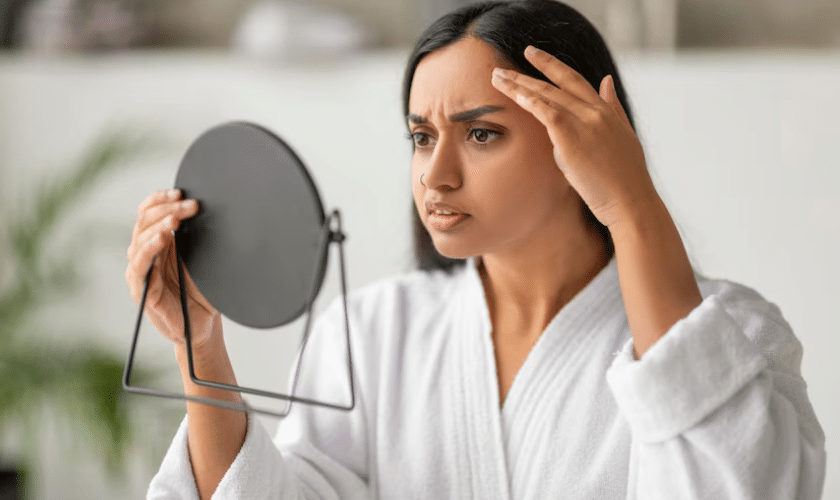
Acne is a common skin condition affecting millions of people worldwide, and while hormonal fluctuations, diet, and skincare routines often take the spotlight, stress is another major culprit that can lead to breakouts. Stress-related acne occurs when your body’s response to stress stimulates processes that aggravate your skin.
The Science of Stress and Your Skin
When you're stressed, your body releases cortisol, a hormone produced by the adrenal glands. Elevated cortisol levels can trigger increased oil production in the skin, which clogs pores and creates a breeding ground for acne-causing bacteria. Stress can also impair your skin’s barrier function, making it more prone to inflammation and irritation. According to a study published in the Journal of Clinical and Aesthetic Dermatology (2017), stress-induced acne is predominantly inflammatory, presenting as papules and pustules rather than non-inflammatory comedones like blackheads and whiteheads.
Moreover, stress can disrupt sleep patterns, trigger unhealthy eating habits, and discourage consistent skincare routines, all of which further exacerbate acne.
Practical Tips for Managing Stress-Related Acne
While eliminating stress entirely isn’t realistic, managing its effects on your skin is achievable. Here’s a comprehensive guide to dealing with stress-related breakouts:
1. Prioritize Stress Management Techniques
The foundation of stress-related acne treatment lies in stress reduction. Incorporating healthy stress management techniques can significantly lower cortisol levels and improve overall skin health.
- Meditation and Mindfulness: Practicing daily meditation or mindfulness exercises can reduce stress and help regulate your body’s stress response. Apps like Headspace or Calm provide structured guides for beginners.
- Regular Exercise: Physical activity helps lower cortisol levels and boosts circulation, delivering oxygen and nutrients to your skin. Aim for 30 minutes of moderate exercise 3-5 times per week.
- Deep Breathing: Simple breathing exercises, such as inhaling deeply for 4 counts and exhaling for 6 counts, can instantly calm your nervous system.
2. Adopt a Skin-Friendly Diet
Stress often leads to cravings for sugary or greasy foods, which can exacerbate acne. Opt for skin-friendly alternatives that nourish your body and promote clear skin:
- Antioxidant-Rich Foods: Include fruits and vegetables high in antioxidants like berries, spinach, and kale to combat inflammation.
- Omega-3 Fatty Acids: Foods like salmon, chia seeds, and walnuts can help reduce inflammation and improve skin health.
- Limit Sugar and Dairy: Both refined sugar and dairy have been linked to increased acne severity in certain individuals. Choose plant-based or low-glycemic options when possible.
3. Stick to a Consistent Skincare Routine
Stress can make you neglect your skincare routine, but consistency is critical when managing stress-related acne. Follow these tips:
- Gentle Cleansing: Use a mild, non-comedogenic cleanser to remove excess oil and impurities twice daily.
- Target Acne with Proven Ingredients: Look for products containing salicylic acid, benzoyl peroxide, or niacinamide to tackle existing breakouts and prevent future ones.
- Hydrate Your Skin: Stress can dry out your skin, so always follow cleansing with a hydrating moisturizer suitable for acne-prone skin.
- Sun Protection: Use sunscreen daily to prevent UV-induced inflammation and protect your skin barrier.
4. Get Enough Sleep
Stress often disrupts sleep, and poor sleep quality negatively impacts your skin. Aim for 7-8 hours of restful sleep each night to help your body repair and rejuvenate. To improve sleep hygiene:
- Stick to a consistent sleep schedule.
- Avoid caffeine and heavy meals before bedtime.
- Create a calming pre-sleep routine, such as reading or listening to soothing music.
5. Limit Touching or Picking Your Skin
Stress can lead to unconscious habits like touching or picking your skin, which can introduce bacteria and worsen acne. Practice mindfulness to avoid these habits and keep your hands clean to minimize contamination.
6. Seek Professional Help When Needed
If stress-related acne persists despite your best efforts, consider consulting a dermatologist. They can recommend treatments such as topical retinoids, oral medications, or professional procedures like chemical peels or light therapy tailored to your skin type and acne severity.
Preventing Stress-Related Acne Long-Term
The key to managing stress-related acne is consistency in stress management and skincare routines. Here’s how you can maintain healthy skin over time:
- Make Stress Management a Daily Habit: Regularly practice your preferred stress-reduction techniques, whether it’s yoga, journaling, or spending time in nature.
- Watch for Early Signs of Breakouts: If you notice more breakouts during stressful periods, adjust your skincare routine promptly.
- Focus on Overall Wellness: A healthy lifestyle, including balanced nutrition, hydration, and exercise, will support your skin’s resilience against stress.
Final Thoughts
Stress-related acne may seem like an inevitable part of life, but with the right approach, you can manage breakouts and maintain healthy skin. By addressing both the root cause—stress—and its effects on your skin, you’ll pave the way for clearer, calmer skin and a more balanced life. Remember, your skin reflects your overall health, so take care of your body and mind to see lasting improvements.
Do you struggle with stress-related acne? Share your experience or favorite tips in the comments below!