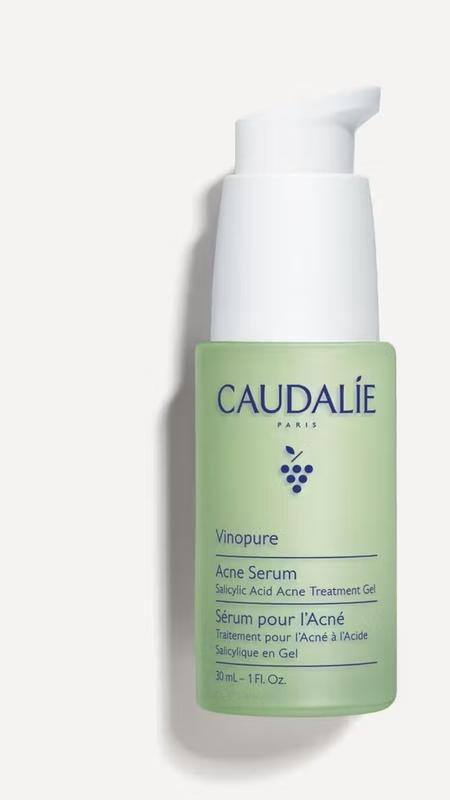
What is Salicylic Acid?
If you’ve ever researched acne treatments, chances are you’ve come across salicylic acid. This powerhouse ingredient has become a staple in many over-the-counter skincare products and for good reason. Salicylic acid is a beta hydroxy acid (BHA) derived from willow bark, and it’s renowned for its ability to penetrate deep into the skin, target acne at its root, and prevent future breakouts.
But how exactly does it work, and what makes it so effective? Let’s dive into the science and explore its many benefits for acne prevention.
The Science Behind Salicylic Acid
Salicylic acid is unique because it’s oil-soluble, meaning it can penetrate the skin’s lipid (oil) barrier and reach deep into pores. Here’s what happens once it gets to work:
Exfoliation: Salicylic acid gently exfoliates the skin by dissolving the “glue” that holds dead skin cells together. This prevents clogged pores, which are a common precursor to acne.
Deep Pore Cleansing: Unlike water-soluble exfoliants, salicylic acid travels deep into the pores to dissolve excess oil and debris. This can significantly reduce blackheads and whiteheads.
Anti-Inflammatory Properties: Acne isn’t just about clogged pores—it’s also an inflammatory condition. Salicylic acid has anti-inflammatory benefits, which help soothe redness and swelling often associated with pimples.
Prevention of Future Breakouts: By keeping pores clear and reducing inflammation, salicylic acid helps break the acne cycle, making it an excellent preventive treatment.
Studies published in dermatological journals have consistently shown that salicylic acid is effective in reducing acne lesions, particularly non-inflammatory acne like blackheads and whiteheads. Its ability to both treat and prevent breakouts makes it a standout among acne-fighting ingredients.
Benefits of Salicylic Acid for Acne Prevention
Now that we understand how it works, let’s break down the key benefits of incorporating salicylic acid into your skincare routine:
1. Unclogs Pores
One of the primary causes of acne is clogged pores. Salicylic acid acts as a deep-cleaning agent, helping to remove excess sebum (oil), dead skin cells, and other debris that can block pores. Regular use ensures that your pores stay clear, reducing the likelihood of developing new acne lesions.
2. Fights Blackheads and Whiteheads
If you’re struggling with blackheads or whiteheads, salicylic acid can be your best ally. By breaking down the build-up inside the pore, it makes these types of acne less likely to form and easier to manage if they do.
3. Minimizes Inflammation
Inflamed pimples can be painful and unsightly. Thanks to its anti-inflammatory properties, salicylic acid can reduce redness and swelling, helping your skin heal faster.
4. Improves Skin Texture
Acne-prone skin often feels rough or uneven due to clogged pores and frequent breakouts. Salicylic acid’s exfoliating properties help smooth your skin, giving it a clearer, more refined appearance over time.
5. Prevents Future Breakouts
Consistency is key when it comes to using salicylic acid. Over time, it reduces the factors that contribute to acne formation, helping you maintain clearer skin in the long run.
How to Use Salicylic Acid Effectively
While salicylic acid can be highly effective, it’s important to use it properly to avoid over-exfoliation or irritation. Here are some practical tips:
1. Start Slow
If you’re new to salicylic acid, start with a lower concentration (e.g., 0.5% to 2%) to see how your skin reacts. Use it just once or twice a week initially, then gradually increase frequency as your skin builds tolerance.
2. Choose the Right Formulation
Salicylic acid comes in various forms, including cleansers, toners, serums, and spot treatments. For acne prevention, a leave-on product like a serum or toner may be more effective, as it has more time to penetrate the skin.
- Cleansers: Great for oily skin. These rinse-off formulations can unclog pores without over-drying.
- Toners and Serums: Ideal for targeted, leave-on treatment.
- Spot Treatments: Perfect for targeting specific pimples.
3. Don’t Overdo It
Excessive use of salicylic acid can cause dryness, irritation, and sensitivity. Stick to the recommended usage and always follow with a moisturizer to maintain your skin’s hydration.
4. Use Sunscreen Daily
Salicylic acid can make your skin more sensitive to UV rays. Always apply a broad-spectrum sunscreen (SPF 30 or higher) during the day to protect your skin.
5. Combine with Other Acne-Fighting Ingredients Wisely
Salicylic acid works well with ingredients like niacinamide (to soothe irritation) but avoid combining it with potentially irritating actives like retinol or benzoyl peroxide without professional guidance.
Who Should Avoid Salicylic Acid?
While salicylic acid is generally safe for most skin types, it may not be suitable for everyone. Avoid using salicylic acid if:
- You have dry or sensitive skin. It may exacerbate dryness or irritation.
- You’re pregnant or breastfeeding. Consult your dermatologist first, as high doses can be harmful.
- You’re allergic to aspirin. Salicylic acid is chemically similar to aspirin and could trigger an allergic reaction.
Final Thoughts
Salicylic acid is a proven ingredient that can revolutionize your acne prevention routine. By exfoliating dead skin cells, unclogging pores, and reducing inflammation, it tackles acne at its root while helping to prevent future breakouts. However, like any skincare ingredient, it’s essential to use it correctly and consistently for the best results.
If you’re unsure about incorporating salicylic acid into your routine, consult with a dermatologist to ensure it’s the right fit for your skin type and concerns. With patience and proper care, salicylic acid can help you achieve clearer, healthier skin.
Additional Resources
- The American Academy of Dermatology for accurate and up-to-date skincare advice.
- Skincare Ingredient Checker to explore if salicylic acid is compatible with your current routine.