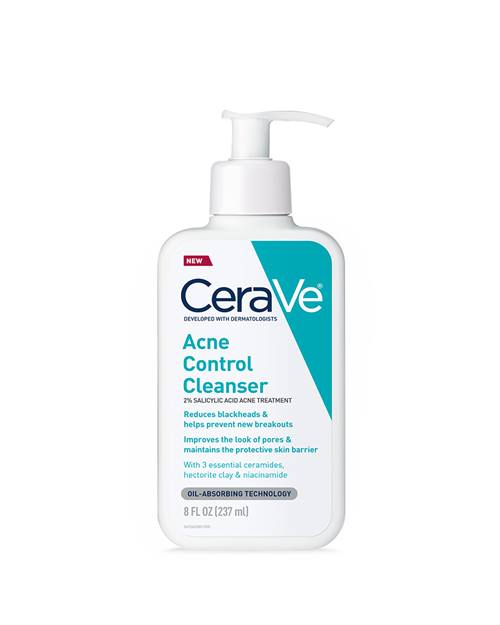
Introduction: Why Salicylic Acid is a Game-Changer for Acne
When it comes to acne-fighting skincare ingredients, salicylic acid often steals the spotlight—and for good reason. This powerhouse ingredient is a favorite among dermatologists and skincare enthusiasts alike, thanks to its ability to target acne at its root, reduce inflammation, and prevent future breakouts. But what exactly makes salicylic acid so effective, and how can you incorporate it into your skincare routine?
In this blog post, we’ll explore the science behind salicylic acid, its benefits for acne-prone skin, and practical tips for using it effectively. Whether you’re dealing with blackheads, whiteheads, or inflammatory acne, salicylic acid might just become your new skincare hero.
What is Salicylic Acid?
Salicylic acid is a beta hydroxy acid (BHA), a type of chemical exfoliant that works to improve skin texture and clarity. Unlike alpha hydroxy acids (AHAs) that are water-soluble, BHAs are oil-soluble. This unique property allows salicylic acid to penetrate deep into your pores, dissolving excess oil and debris that often lead to acne.
Derived from willow bark, salicylic acid has been used for its medicinal and skincare benefits for decades. Its ability to exfoliate, unclog pores, and combat inflammation makes it a standout ingredient in acne treatments.
How Does Salicylic Acid Work?
Salicylic acid works by targeting multiple acne-causing factors:
Exfoliation: Salicylic acid gently sloughs away dead skin cells on the surface of your skin. This prevents clogged pores, which are a common precursor to acne.
Deep Cleansing: Its oil-soluble nature allows salicylic acid to penetrate deep into your pores, breaking down sebum (oil) and debris.
Anti-Inflammatory Properties: Salicylic acid has soothing properties that help reduce redness and swelling associated with inflamed acne.
Comedolytic Action: It prevents the formation of comedones (clogged hair follicles), including both blackheads and whiteheads.
Benefits of Salicylic Acid for Acne
Salicylic acid is particularly effective for certain types of acne, including:
1. Blackheads and Whiteheads
Because salicylic acid helps to unclog pores, it’s highly effective at treating non-inflammatory acne like blackheads and whiteheads. By keeping your pores clean, it also helps prevent future blockages.
2. Inflammatory Acne
While salicylic acid is not as potent as benzoyl peroxide for killing acne-causing bacteria, its anti-inflammatory properties can help reduce the redness and swelling associated with pimples.
3. Textural Irregularities
Regular use of salicylic acid promotes smoother skin by removing rough patches and improving overall texture.
Scientific Backing
Numerous studies have demonstrated the efficacy of salicylic acid in treating acne. A 2014 review published in the Journal of Clinical and Aesthetic Dermatology highlighted its ability to reduce acne lesions and improve skin texture. Another study in Dermatologic Therapy found that salicylic acid is particularly beneficial for oily skin due to its ability to regulate sebum production.
How to Use Salicylic Acid Safely and Effectively
While salicylic acid is a powerful ingredient, using it incorrectly can lead to irritation or dryness. Follow these tips to make the most of its benefits:
1. Choose the Right Concentration
Salicylic acid concentrations typically range from 0.5% to 2%. For beginners or those with sensitive skin, start with a lower concentration and gradually work your way up if needed.
2. Incorporate It Gradually
Introduce salicylic acid into your routine slowly, using it 2-3 times per week initially. As your skin adjusts, you can increase the frequency to daily use if tolerated.
3. Pair It with Hydrating Ingredients
Since salicylic acid can be drying, pair it with hydrating and soothing ingredients like hyaluronic acid, ceramides, or aloe vera to prevent irritation.
4. Sunscreen is a Must
Salicylic acid can increase your skin’s sensitivity to UV rays. Always apply a broad-spectrum sunscreen with SPF 30 or higher when using this ingredient.
5. Avoid Overuse
More isn’t always better. Overusing salicylic acid can lead to dryness, redness, and irritation. Stick to recommended usage guidelines for best results.
Product Recommendations
If you’re looking to try salicylic acid, here are a few popular and dermatologist-approved options:
- CeraVe Renewing SA Cleanser: Great for gentle cleansing and daily exfoliation.
- Paula’s Choice Skin Perfecting 2% BHA Liquid Exfoliant: A cult favorite for unclogging pores and improving skin texture.
- Neutrogena Oil-Free Acne Wash: Affordable and effective for acne-prone skin.
Who Should Avoid Salicylic Acid?
While salicylic acid is generally well-tolerated, it may not be suitable for everyone. Avoid using it if:
- You have very dry or eczema-prone skin, as it may exacerbate dryness and irritation.
- You are pregnant or breastfeeding, as high concentrations of salicylic acid are not recommended.
- You are allergic to aspirin, as both aspirin and salicylic acid are derived from the same compound.
Always perform a patch test before applying salicylic acid to your face, especially if you have sensitive skin.
Final Thoughts: Is Salicylic Acid Right for You?
Salicylic acid is a tried-and-true ingredient for acne sufferers, offering a host of benefits from exfoliation to deep cleansing. When used correctly, it can help transform your skin by reducing breakouts, improving texture, and preventing clogged pores. However, as with any skincare product, consistency and proper usage are key.
If you’re new to salicylic acid, start slow and pay attention to how your skin reacts. With time, it just might become the cornerstone of your acne-fighting skincare routine.
Call to Action
Ready to give salicylic acid a try? Check out our recommended products and start your journey to clearer skin today. Remember, patience and consistency are your best allies in achieving healthy, acne-free skin!