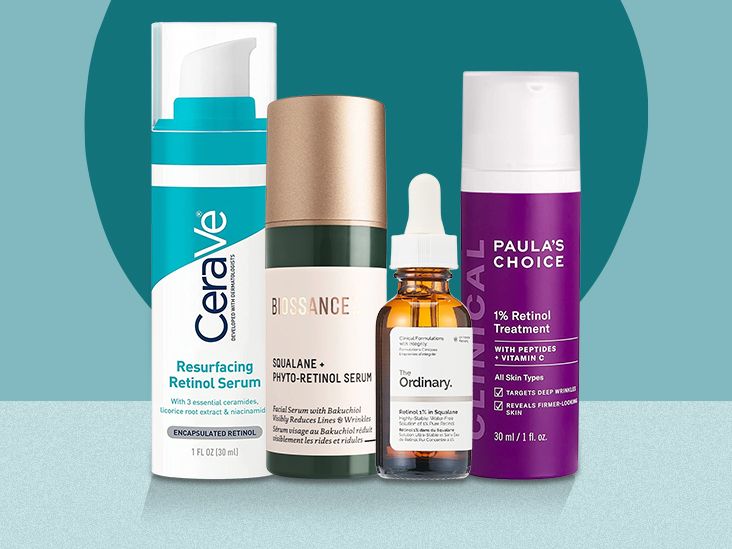
Retinoids for Acne Treatment: What You Need to Know
Retinoids are often hailed as the gold standard in acne treatment—and for good reason. Backed by decades of research and real-life success stories, these vitamin A derivatives are known for their ability to combat acne at its source while improving overall skin health. In this article, we'll dive into the science behind retinoids, their benefits for acne prevention, and how to use them effectively.
What Are Retinoids?
Retinoids are a class of compounds derived from vitamin A. They work by influencing the way skin cells grow and function. Popular forms of retinoids include:
- Tretinoin (Retin-A): A prescription-strength retinoid often used to treat moderate to severe acne.
- Adapalene (Differin): Available over-the-counter or by prescription, it’s known for being gentler on the skin while still effective.
- Retinol: A milder, non-prescription form often found in anti-aging and acne skincare products.
Retinoids are unique because they address multiple factors that contribute to acne, including clogged pores, excess oil production, and inflammation.
How Do Retinoids Help With Acne?
Retinoids work in several ways to target acne:
Unclogging Pores: Retinoids promote cell turnover, meaning they help skin shed dead cells more efficiently. This prevents dead skin from clogging pores and forming acne lesions.
Reducing Inflammation: Acne is often characterized by redness and swelling. Retinoids have anti-inflammatory properties that can calm irritated skin.
Controlling Oil Production: While not their primary function, retinoids may help regulate sebum (oil) production, creating an environment less conducive to acne-causing bacteria.
Preventing Future Breakouts: By keeping pores clear and skin cells functioning properly, retinoids can prevent the formation of new acne lesions over time.
Scientific Evidence Behind Retinoids
Numerous studies support the efficacy of retinoids for acne treatment. A 2018 review published in the Journal of the American Academy of Dermatology highlighted that topical retinoids like tretinoin and adapalene are first-line treatments for acne due to their proven ability to reduce both inflammatory and non-inflammatory lesions.
Another study in Clinical, Cosmetic, and Investigational Dermatology found that adapalene, available over-the-counter, is effective for mild to moderate acne and is generally well-tolerated, even by those with sensitive skin.
How to Use Retinoids Safely and Effectively
While retinoids are powerful, they need to be introduced into your skincare routine carefully to minimize side effects like dryness, irritation, and peeling. Here’s how:
1. Start Slow
Begin by using a retinoid two to three times a week to allow your skin to adjust. Gradually increase usage as your skin builds tolerance.
2. Apply at Night
Retinoids can make your skin more sensitive to sunlight, so they are best applied in the evening. Always follow up with sunscreen during the day.
3. Use a Pea-Sized Amount
A little goes a long way. Apply a pea-sized amount to clean, dry skin, focusing on acne-prone areas. Avoid the corners of your nose, mouth, and eyes, as these areas are more prone to irritation.
4. Moisturize Generously
Retinoids can be drying, so moisturize your skin after application to maintain hydration and reduce irritation. Look for a non-comedogenic moisturizer to avoid clogging pores.
5. Be Patient
Results take time. It may take 6-12 weeks to see noticeable improvements. Stick with it, and don’t be discouraged by initial redness or mild peeling—these are common and usually subside.
Common Side Effects and How to Manage Them
While retinoids are highly effective, they can cause side effects, especially when you first start using them. These include:
- Dryness and Peeling: Combat this by using a gentle, hydrating cleanser and a rich moisturizer.
- Redness and Irritation: Space out applications if your skin feels overly sensitive and introduce the product gradually.
- Increased Sun Sensitivity: Always wear broad-spectrum sunscreen with SPF 30 or higher during the day.
If side effects persist or worsen, consult a dermatologist for guidance.
Who Should Avoid Retinoids?
While retinoids are suitable for most people, they may not be ideal for everyone. Avoid retinoids if:
- You’re pregnant or breastfeeding (some forms may not be safe).
- You have extremely sensitive or eczema-prone skin (consult a dermatologist first).
- You’re using other prescription acne treatments that may interact with retinoids.
Tips for Maximizing Retinoid Benefits
- Pair with a Gentle Routine: Avoid harsh scrubs or exfoliants, which can exacerbate irritation.
- Stick to a Consistent Schedule: Consistency is key to seeing long-term results.
- Listen to Your Skin: If irritation becomes too severe, scale back usage instead of stopping entirely.
- Consult a Dermatologist: A dermatologist can recommend the best retinoid type and strength for your acne severity and skin type.
Final Thoughts
Retinoids are a game-changer for many acne sufferers, offering a science-backed solution that not only treats acne but also prevents future breakouts. While the adjustment period can be challenging, the long-term benefits are well worth the effort. By starting slow, moisturizing well, and staying consistent, you can unlock the full potential of this powerhouse ingredient.
If you’re unsure whether retinoids are right for you, consult a dermatologist for personalized advice. Clearer skin could be just a few weeks away—get started today and enjoy the confidence that comes with a healthy, glowing complexion.
Additional Resources
For more detailed advice, check out these trusted resources: