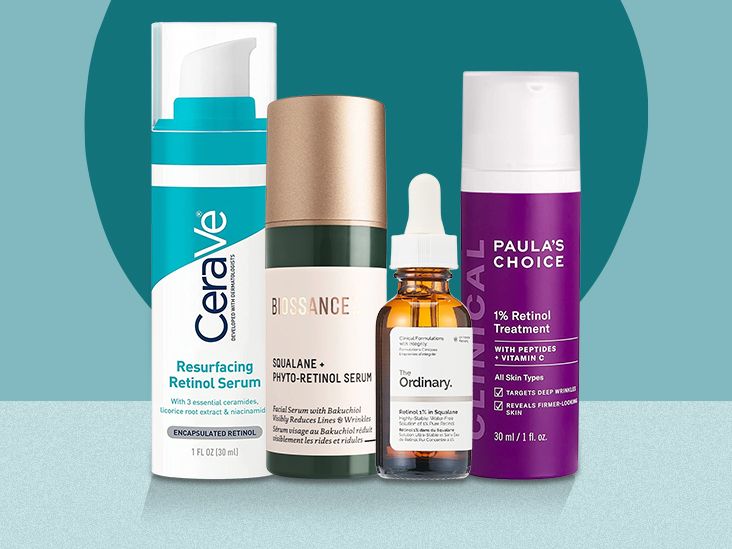
Retinoids for Acne: A Game-Changer in Skincare
Acne is one of the most common skin concerns, affecting millions worldwide. If you’ve been looking for a scientifically proven solution, retinoids might just be the game-changer you need. In this blog post, we'll delve into what makes retinoids so effective, how to use them properly, and tips for maximizing their benefits.
What Are Retinoids?
Retinoids are derivatives of vitamin A that work wonders for the skin by promoting cell turnover, reducing inflammation, and regulating oil production. They come in different forms, ranging from over-the-counter options like retinol to prescription-strength treatments such as tretinoin.
Types of Retinoids
- Retinol: Available in many OTC skincare products; milder than prescription options.
- Tretinoin: A strong, prescription-only retinoid often used for moderate to severe acne.
- Adapalene: Found in both OTC (e.g., Differin Gel) and prescription formulas; less irritating but effective for acne.
- Isotretinoin: An oral retinoid used for severe, resistant acne.
How Do Retinoids Work for Acne?
Retinoids target acne at its root by addressing multiple contributing factors:
- Increasing Cell Turnover: Retinoids speed up the skin’s natural exfoliation process, preventing pores from becoming clogged by dead skin cells.
- Unclogging Pores: By keeping pores clear, retinoids reduce blackheads and whiteheads, two common forms of acne.
- Reducing Inflammation: Retinoids calm redness and swelling, making them effective for inflammatory acne.
- Regulating Oil Production: They help balance oil levels, minimizing excess sebum that can lead to breakouts.
Scientific studies consistently support retinoids’ efficacy in acne treatment. According to a study published in the Journal of Clinical and Aesthetic Dermatology, retinoids show significant improvement in both inflammatory and non-inflammatory acne lesions when used consistently over a 12-week period.
Tips for Using Retinoids Safely and Effectively
1. Start Slow
Retinoids are powerful, but they can irritate your skin if introduced too quickly. Begin by using them once or twice a week and gradually increase frequency as your skin adjusts.
2. Use a Pea-Sized Amount
A little goes a long way! Apply a pea-sized amount to clean, dry skin at night to avoid overloading your skin.
3. Pair with Moisturizer
Retinoids can cause dryness and peeling, especially in the early stages. To counteract this, use a hydrating, non-comedogenic moisturizer right after applying your retinoid.
4. Don’t Skip Sunscreen
Retinoids make your skin more sensitive to sunlight. Apply a broad-spectrum sunscreen with SPF 30 or higher every morning to protect your skin.
5. Be Patient
Acne improvement with retinoids takes time. Most people see noticeable results after 8–12 weeks of consistent use. Stick with it!
What to Expect When Starting Retinoids
It’s common to experience a phenomenon known as “purging” when starting retinoids. Purging occurs because retinoids accelerate the skin’s renewal process, which can temporarily bring underlying acne to the surface.
Managing Side Effects
- Dryness and Peeling: Use a gentle cleanser and hydrating moisturizer.
- Redness and Sensitivity: Avoid harsh exfoliants and active ingredients like benzoyl peroxide or AHAs/BHAs while your skin adjusts.
Who Should Avoid Retinoids?
While retinoids are safe for most people, certain individuals should avoid them:
- Pregnant or Breastfeeding Women: Retinoids may pose risks during pregnancy.
- Sensitive Skin Types: If you have eczema or rosacea, consult your dermatologist before trying retinoids.
- Children Under 12 Years: Retinoids are typically not recommended for young skin.
If you’re unsure whether retinoids are right for you, consult a dermatologist to discuss your unique skin needs.
Choosing the Right Retinoid for You
The best retinoid depends on the severity of your acne and your skin’s tolerance:
- Mild Acne: Start with OTC retinol or adapalene.
- Moderate to Severe Acne: Prescription retinoids like tretinoin or adapalene may be needed.
- Severe, Resistant Acne: Consult a dermatologist about oral isotretinoin.
Final Thoughts
Retinoids are a powerful ally in the fight against acne. With consistent use, proper application, and patience, they can dramatically improve the texture, clarity, and health of your skin. By following the tips shared in this post, you’re well on your way to embracing the benefits of retinoids safely and effectively.
Remember: every skin journey is unique, so don’t hesitate to enlist the guidance of a dermatologist to tailor your acne treatment plan.
Did you find these tips helpful? Share your retinoid experiences in the comments below!