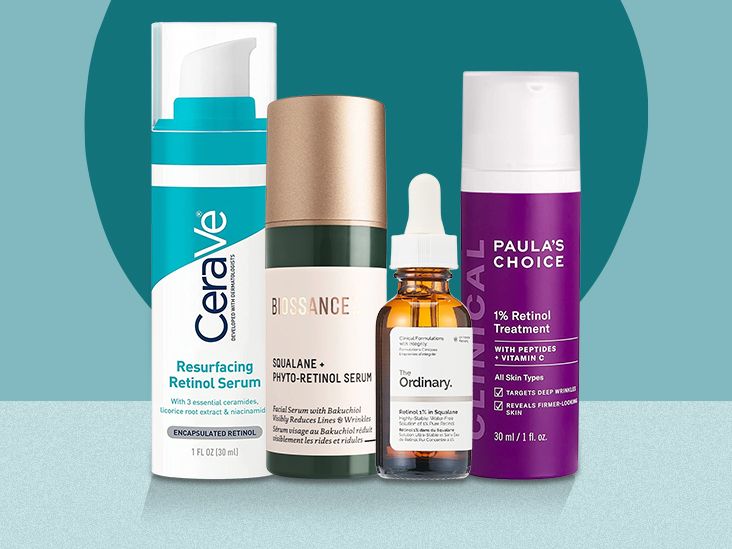
Retinoids for Acne Treatment: Everything You Need to Know
Acne can be a persistent battle for many, but modern skincare offers a powerful weapon: retinoids. If you’ve heard about retinoids but feel apprehensive about trying them or unsure of how they work, you’re not alone. This guide will break down the science, benefits, and safe usage of retinoids so you can decide if they’re the right choice for your acne treatment journey.
What Are Retinoids?
Retinoids are a class of compounds derived from vitamin A. They work by regulating skin cell turnover, unclogging pores, and promoting the growth of new, healthy skin cells. Some of the most common retinoids include:
- Retinol (available over-the-counter)
- Tretinoin (prescription-strength)
- Adapalene (available OTC and prescription)
- Isotretinoin (oral, prescription-only, often used for severe cystic acne)
Retinoids have been a dermatologist favorite for decades due to their effectiveness in treating not only acne but also signs of aging and uneven skin texture.
How Do Retinoids Work for Acne?
Retinoids are backed by years of scientific research for their acne-fighting properties. Here’s how they work:
- Preventing Clogged Pores: Retinoids accelerate skin cell turnover, preventing dead skin cells from building up and clogging your pores.
- Reducing Inflammation: Many forms of acne, including painful cystic acne, are caused by inflammation. Retinoids help calm this inflammation over time.
- Regulating Sebum Production: Excess oil production is a contributing factor to acne. Some retinoids, like isotretinoin, directly reduce sebum production.
- Minimizing Post-Acne Scars: By promoting collagen production and speeding up skin renewal, retinoids can help fade acne scars and hyperpigmentation.
A 2017 meta-analysis published in the Journal of the American Academy of Dermatology concluded that both OTC and prescription retinoids are highly effective in reducing inflammatory and non-inflammatory acne lesions.
Choosing the Right Retinoid for Your Skin
The key to success with retinoids is finding the right type for your skin. Here’s a quick guide:
- If you’re new to retinoids: Start with an over-the-counter retinol or adapalene gel (0.1%). These are gentle and great for beginners.
- For moderate to severe acne: A dermatologist may recommend prescription-strength tretinoin or adapalene (0.3%).
- For severe cystic acne: Oral isotretinoin (commonly known as Accutane) may be prescribed, though it comes with significant side effects and requires close medical supervision.
How to Use Retinoids Safely and Effectively
Retinoids are powerful, but they require patience and proper application to see results without irritation. Follow these steps for the best outcome:
1. Start Slow
Use your retinoid product just 2-3 times a week at first, gradually increasing to nightly (or as tolerated). This helps your skin adjust and minimizes the risk of irritation.
2. Use a Pea-Sized Amount
A little goes a long way. Use a pea-sized amount for your entire face to avoid overwhelming your skin.
3. Apply to Dry Skin
After cleansing, wait until your skin is completely dry before applying the retinoid. Applying to damp skin can increase penetration and irritation.
4. Moisturize Generously
Retinoids can cause dryness, flaking, and redness—especially in the beginning. Apply a gentle, non-comedogenic moisturizer after your retinoid to keep your skin hydrated.
5. Never Skip Sunscreen
Retinoids make your skin more sensitive to the sun, so daily sunscreen (SPF 30 or higher) is non-negotiable. Reapply every two hours if you’re outdoors.
6. Be Patient
Results won’t happen overnight. It can take 8-12 weeks to see significant improvements. Stick with it and resist the urge to use more product than recommended.
Common Myths About Retinoids
Let’s clear up some misconceptions about retinoids:
Myth 1: Retinoids thin your skin.
- Fact: Retinoids actually thicken the dermis (the deeper layer of skin) by boosting collagen production, making your skin stronger and healthier in the long term.
Myth 2: You can’t use retinoids with sensitive skin.
- Fact: Sensitive skin types can absolutely benefit from retinoids. Simply start with a lower concentration and use a barrier moisturizer to minimize irritation.
Myth 3: Retinoids work immediately.
- Fact: Retinoids require consistency and patience. While you may notice smoother skin within a few weeks, acne reduction typically takes 2-3 months.
When to See a Dermatologist
While retinoids are widely available, some cases of acne require personalized treatment. Consult a dermatologist if:
- Your acne is severe or painful.
- Over-the-counter retinoids aren’t making a difference after 3-4 months.
- You’re experiencing significant skin irritation or side effects.
A dermatologist can provide tailored advice and prescribe stronger retinoids if necessary.
Final Thoughts
Retinoids are one of the most effective tools in the fight against acne, offering both immediate and long-term benefits. While they can require a bit of a learning curve, the payoff is smoother, clearer, and healthier skin. By starting slow, moisturizing, and protecting your skin from the sun, you’ll maximize the benefits while minimizing potential downsides. If you’re ready to take the plunge, start with an OTC option like adapalene and build your way up as needed.
Remember, every person’s skin is unique, so finding your perfect routine may take time. With consistency and care, retinoids could be the game-changer your skincare routine has been missing.
Resources
- Journal of the American Academy of Dermatology: Efficacy of Retinoids in Acne Treatment
- American Academy of Dermatology: How to Use Retinoids Safely