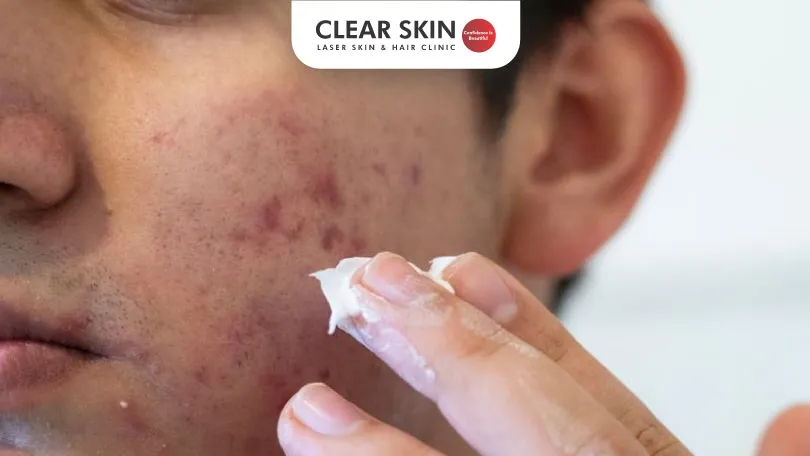
Overnight Acne Spot Treatment: Wake Up to Clearer Skin
Acne can be frustrating, especially when you have a big event or an important meeting the next day. Luckily, overnight acne spot treatments offer a quick way to target pesky blemishes and reduce their appearance by morning. With the right approach, you can give your skin the TLC it needs to heal faster. In this blog, we’ll explore scientifically backed tips, practical methods, and the most effective ingredients for overnight acne care.
Why Do Spot Treatments Work Overnight?
Your skin’s natural repair process is most active at night. During sleep, the body produces higher levels of growth hormones and regenerates skin cells, making nighttime the perfect opportunity for acne treatment. Spot treatments are concentrated formulas specifically designed to target blemishes—whether they’re red, inflamed pimples or stubborn blackheads. By applying these treatments before bed, you give them hours to work uninterrupted.
Key Ingredients That Target Acne
When shopping for or making an overnight acne spot treatment, look for ingredients backed by science. Here are some popular options:
1. Salicylic Acid
Salicylic acid is a beta hydroxy acid (BHA) that penetrates deep into your pores to dissolve excess oil and dead skin cells. It’s particularly effective for clogged pores and blackheads. Research shows that salicylic acid reduces inflammation and prevents future breakouts. Apply a product with 0.5% to 2% salicylic acid directly to the affected area before bedtime.
2. Benzoyl Peroxide
Benzoyl peroxide kills acne-causing bacteria (Propionibacterium acnes) while unclogging pores. Clinical studies confirm that benzoyl peroxide is effective for reducing inflammatory acne lesions. Opt for a 2.5% to 5% formula for overnight use, as higher concentrations may cause dryness or irritation.
3. Tea Tree Oil
Tea tree oil is a natural alternative for treating acne due to its antimicrobial and anti-inflammatory properties. Studies show that a 5% tea tree oil solution can be as effective as benzoyl peroxide, though it may work more slowly. Dilute tea tree oil with a carrier oil (like argan or jojoba oil) to avoid irritation, and dab it onto your blemishes before sleeping.
4. Sulfur
Sulfur is an underrated acne treatment that absorbs excess oil and unclogs pores. It’s especially helpful for those with oily or combination skin. Products with sulfur are often combined with other ingredients like resorcinol to boost effectiveness.
Practical Steps for Using Overnight Spot Treatments
Using an acne-fighting ingredient is only part of the puzzle. To maximize its effectiveness, follow these simple steps:
1. Start with Clean Skin
Always cleanse your face before applying any spot treatment. A gentle, non-comedogenic cleanser removes dirt, oil, and makeup so your treatment can penetrate the skin better. Avoid harsh scrubs that can irritate active breakouts.
2. Apply Sparingly
Spot treatments are designed to be used on small areas, not your entire face. Use a cotton swab or clean fingers to apply the treatment directly to each blemish. Applying too much product can lead to dryness or irritation.
3. Moisturize Around the Spot
Some acne treatments, such as benzoyl peroxide and salicylic acid, can dry out your skin. To prevent flaking or irritation, apply a lightweight, non-comedogenic moisturizer around the treated area before bed.
4. Don’t Pick or Squeeze
It’s tempting to pop a pimple, but doing so can worsen inflammation, push bacteria deeper into the skin, or leave a permanent scar. Let your spot treatment do the work while you sleep.
DIY Overnight Spot Treatments
Not a fan of store-bought products? Here are some natural remedies you can try at home:
1. Honey and Cinnamon Paste
Honey has natural antibacterial properties, while cinnamon reduces inflammation. Mix 1 teaspoon of honey with ½ teaspoon of cinnamon and apply the paste to your pimple. Leave it on overnight and wash it off in the morning.
2. Aloe Vera Gel
Aloe vera is soothing and anti-inflammatory, making it ideal for calming red, irritated skin. Use pure aloe vera gel directly on your blemish before bed. It’s gentle enough for sensitive skin types.
3. Green Tea Extract
Green tea is packed with antioxidants that combat inflammation and bacteria. Brew a cup of green tea, let it cool, and use a cotton pad to apply it to your acne spots. Alternatively, mix green tea extract with a few drops of tea tree oil for extra potency.
What to Avoid When Spot Treating Acne
While overnight treatments can be effective, certain common mistakes can hinder your progress:
- Skipping a Patch Test: Always test new products on a small area of skin before applying them to your face, especially if you have sensitive skin.
- Layering Too Many Products: Using multiple acne treatments at once can overwhelm your skin and cause irritation. Stick to one active ingredient per night.
- Ignoring Hydration: Dry, flaky skin can make acne worse. Keep your skin hydrated with a gentle moisturizer.
- Expecting Immediate Results: Spot treatments work overnight to reduce inflammation, but complete healing may take days. Be patient and consistent.
Final Thoughts
Overnight acne spot treatments can be a game-changer for managing breakouts. By choosing the right ingredients and following best practices, you can wake up with clearer, calmer skin. Remember, consistency is key—don’t expect miracles after one night, but with persistence, your skin will thank you.
If you’re unsure which treatment is best for you, consult a dermatologist for personalized advice. Acne is highly individual, so finding your perfect solution may take some trial and error. Sleep soundly knowing you’re taking steps to support your skin’s healing process!
Recommended Products
- Paula’s Choice Clear Acne Body Spray with Salicylic Acid
- Neutrogena On-the-Spot Acne Treatment with Benzoyl Peroxide
- The Ordinary Salicylic Acid 2% Solution
- Mario Badescu Drying Lotion (Sulfur-based)
Frequently Asked Questions
Q: Can I use multiple spot treatments at once?
A: It’s best to stick to one active ingredient per night to avoid irritating your skin.
Q: How long do spot treatments take to work?
A: Overnight treatments can reduce redness and swelling quickly, but full healing may take several days.
Q: Are DIY treatments safe?
A: Yes, but always patch test homemade remedies to ensure they won’t irritate your skin.