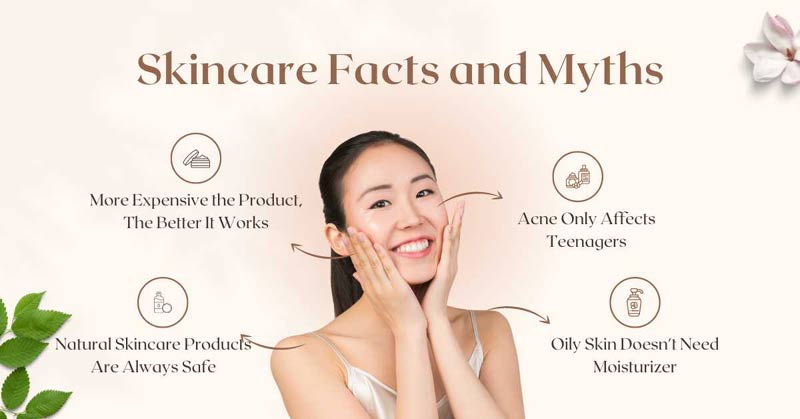
Overnight Acne Spot Treatment: Myths vs Facts
Acne can feel like an uninvited guest that pops up when you least expect it. If you’ve ever found yourself frantically searching for a miracle solution to shrink a pimple overnight, you’re not alone. But how many of these so-called quick fixes actually work? Let’s separate the myths from the facts and explore evidence-based tips for treating acne spots effectively.
Common Myths About Overnight Acne Spot Treatments
Myth #1: Toothpaste is a Cure-All for Pimples
The idea of dabbing toothpaste on a pimple has been circulating for years, but is it effective? Toothpaste contains ingredients like baking soda and menthol that may create a drying effect. However, these substances can also irritate your skin, especially if you have sensitive skin or your acne is inflamed.
Fact: While toothpaste might feel like it's doing something, it’s not designed for your skin. Stick to products specifically formulated for acne.
Myth #2: Lemon Juice Can Erase Acne Overnight
Another popular DIY solution involves using lemon juice to zap acne. Lemon juice does contain citric acid, which has some antimicrobial properties. However, it’s highly acidic and can disrupt your skin’s natural pH balance, leading to irritation, redness, and even increased sensitivity to sunlight.
Fact: Lemon juice is best avoided for acne treatment as it can cause more harm than good.
Myth #3: You Can Rely on Hot Water or Steam
Many believe that steaming or applying hot water to a pimple can “open up the pores” and make the breakout disappear. While steam may help loosen debris in clogged pores, it won’t shrink a pimple or make a noticeable difference overnight.
Fact: Steam can be part of a larger skincare routine but won’t work as an immediate fix for acne spots.
Evidence-Based Facts About Overnight Acne Spot Treatments
Fact #1: Salicylic Acid Can Help
Salicylic acid is one of the most effective ingredients for treating acne. It’s a beta hydroxy acid (BHA) that works by exfoliating the skin and unclogging pores. Applying a salicylic acid spot treatment before bed can reduce inflammation and promote healing overnight.
How to Use: Look for a 1-2% salicylic acid treatment and apply directly to the affected area. Avoid applying it to large areas to prevent irritation.
Fact #2: Benzoyl Peroxide is Your Best Friend for Inflamed Acne
Benzoyl peroxide is a powerful ingredient that fights acne-causing bacteria. It’s particularly effective for pustules and inflamed pimples. Studies show that benzoyl peroxide can reduce the size and redness of a pimple within hours.
How to Use: Use a low concentration (2.5% or 5%) spot treatment to avoid excessive dryness or irritation. Apply before bed, and let the product work overnight.
Fact #3: Hydrocolloid Patches for Quick Results
Hydrocolloid patches (commonly referred to as pimple patches) have gained popularity for their ability to shrink pimples quickly. These patches work by absorbing fluid and protecting the zit from bacteria and picking.
How to Use: Cleanse the area, apply the patch, and leave it on overnight. You’ll likely wake up with the blemish less swollen and noticeable.
Fact #4: Tea Tree Oil for Natural Healing
Tea tree oil is a natural antiseptic that has been shown to reduce inflammation in acne-prone skin. Research indicates that a 5% tea tree oil gel can be as effective as 5% benzoyl peroxide in treating mild to moderate acne, though it works more slowly.
How to Use: Dilute tea tree oil with a carrier oil (like jojoba or coconut oil) and apply sparingly to the pimple. Avoid using it undiluted, as it can cause irritation.
The Importance of Patience
While the idea of waking up with flawless skin is appealing, even the best spot treatments will require time to work. Overnight solutions can help reduce the size and redness of a blemish, but most treatments take at least a few days for full healing. Consistency in your skincare routine is key.
Practical Tips for Overnight Acne Care
- Cleanse Your Skin Properly: Before applying any spot treatment, wash your face with a gentle cleanser to remove dirt and oil.
- Choose Non-Comedogenic Products: Ensure your treatments and moisturizers won’t clog pores.
- Don’t Pick or Pop: Popping pimples can lead to scarring and worsen inflammation.
- Hydrate Your Skin: Use a lightweight moisturizer to prevent dryness caused by acne treatments.
- Use Targeted Treatments: Apply spot treatments only to the affected areas to minimize irritation.
When to See a Dermatologist
If your acne persists despite over-the-counter treatments or is causing significant distress, it’s time to consult a dermatologist. They can recommend professional solutions like prescription-strength retinoids, antibiotics, or even corticosteroid injections for cystic acne.
Final Thoughts
The world of overnight acne spot treatments is riddled with myths, but there are effective, science-backed options that can help you tackle breakouts. Ingredients like salicylic acid, benzoyl peroxide, and hydrocolloid patches can make a noticeable difference in hours. However, patience and consistency remain essential. Remember, healthy skin is a journey, not a race.
Got a tried-and-true acne remedy or experience to share? Let us know in the comments below!
Key Takeaways
- Toothpaste and lemon juice are ineffective and potentially harmful.
- Salicylic acid, benzoyl peroxide, and hydrocolloid patches are proven to work.
- Overnight treatments can reduce redness and swelling but require time for full healing.
- Consult a dermatologist for persistent or severe acne.
Disclaimer: This post is for informational purposes only and should not replace professional medical advice.