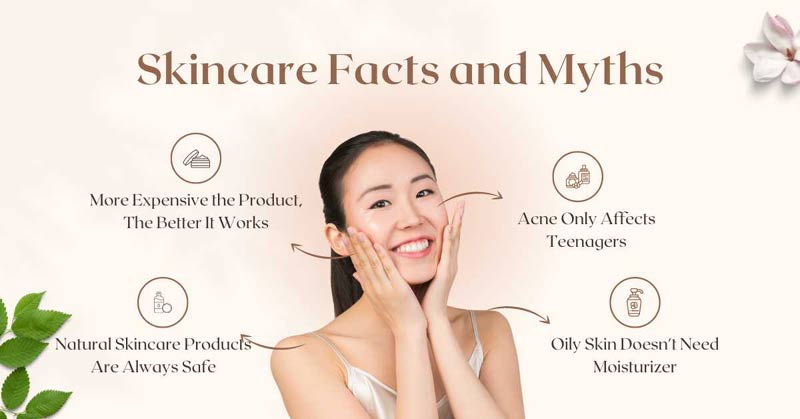
Natural Acne Remedies That Actually Work: Myths vs. Facts
Are you tired of trying countless acne remedies that promise miracles but deliver disappointment? You're not alone. So many "natural" solutions flood the internet, often with little scientific evidence to back them up. But, some natural remedies do have proven benefits for managing acne. In this post, we’ll explore what works, debunk common myths, and provide actionable advice for clearer skin.
What Causes Acne?
Before diving into remedies, let’s briefly cover acne’s root causes. Acne develops when pores become clogged with oil (sebum), dead skin cells, and sometimes bacteria (like Propionibacterium acnes). Hormonal changes, stress, diet, and genetics often exacerbate breakouts.
While over-the-counter treatments can help, many people turn to natural remedies to avoid harsh chemicals. But which ones actually work?
Myth vs. Fact: Popular Natural Acne Remedies Examined
1. Does Toothpaste Cure Acne?
Myth: "Apply toothpaste to pimples overnight to dry them out."
Fact: Toothpaste contains ingredients like baking soda or menthol, which might temporarily dry out a pimple. However, it can irritate sensitive skin and worsen the problem. Skip the toothpaste and opt for safer alternatives.
2. Tea Tree Oil: A Proven Acne Fighter
Myth: "Essential oils are too harsh for acne."
Fact: Tea tree oil is one of the rare natural remedies with scientific backing. Studies show it has antimicrobial and anti-inflammatory properties that help reduce acne. For example, a study published in the Journal of Dermatology found that 5% tea tree oil gel significantly improved acne symptoms over 12 weeks.
How to Use Tea Tree Oil:
- Dilute a few drops in a carrier oil (like jojoba or coconut oil). Never apply undiluted tea tree oil directly to your skin.
- Spot treat blemishes with a cotton swab.
- Use it 1-2 times daily to avoid irritation.
3. Honey and Aloe Vera: Nature’s Dynamic Duo
Fact: Honey and aloe vera are soothing, antibacterial, and hydrating—making them excellent for acne-prone skin. Raw honey, especially Manuka honey, has antimicrobial properties that help kill acne-causing bacteria. Aloe vera, on the other hand, reduces redness and inflammation.
How to Use Honey and Aloe Vera:
- Apply raw honey to affected areas for 20 minutes, then rinse with warm water.
- Mix aloe vera gel with honey and apply as a soothing mask 2-3 times per week.
4. Apple Cider Vinegar: Handle With Care
Myth: "Apple cider vinegar can cure acne overnight."
Fact: Apple cider vinegar contains acetic acid, which has antibacterial properties. However, it’s highly acidic and can damage the skin's barrier if used improperly.
How to Use Apple Cider Vinegar Safely:
- Dilute 1 part vinegar with 4 parts water.
- Apply with a cotton pad as a toner, then rinse after 5-10 minutes.
- Use sparingly (2-3 times per week) to avoid irritation.
5. Green Tea: An Antioxidant Powerhouse
Fact: Green tea is rich in polyphenols, particularly epigallocatechin gallate (EGCG), which has anti-inflammatory and antibacterial properties. Studies suggest that topical green tea can reduce sebum production and calm inflamed skin.
How to Use Green Tea for Acne:
- Brew a cup of green tea, let it cool, and use a cotton pad to apply it to your face.
- Alternatively, look for skincare products containing green tea extract.
Lifestyle Tips to Support Natural Remedies
Natural remedies work best as part of a holistic acne management routine. Here’s how to support your skin health:
1. Keep Your Skin Clean (But Not Overwashed)
Wash your face twice daily with a gentle cleanser. Overwashing can strip your skin of natural oils, leading to more oil production and acne.
2. Hydrate and Moisturize
Even if you have oily skin, moisturizing is crucial. Opt for non-comedogenic (non-pore-clogging) moisturizers to keep your skin balanced.
3. Eat a Balanced Diet
Emerging research links diet to acne. Reduce dairy and sugar intake, as they may contribute to breakouts. Focus on whole foods, lean proteins, and omega-3-rich foods (like salmon and walnuts) to keep inflammation at bay.
4. Manage Stress
Stress can trigger hormonal changes that worsen acne. Practice mindfulness, yoga, or other stress-reducing activities regularly.
When Natural Remedies Aren’t Enough
While natural remedies can complement your acne care routine, they may not suffice for severe or persistent acne. If your breakouts worsen or don’t improve after trying natural treatments, consult a dermatologist. Prescription medications like retinoids, antibiotics, or hormonal treatments are often necessary for moderate to severe acne.
Key Takeaways
- Some natural remedies, like tea tree oil, honey, aloe vera, and green tea, have science-backed benefits for acne.
- Be cautious with popular myths like toothpaste or undiluted apple cider vinegar; they may do more harm than good.
- Combine remedies with a healthy lifestyle, stress management, and a balanced diet for optimal results.
Acne management takes time and consistency, but with the right approach, clearer skin is possible. Always patch-test new remedies and listen to your skin’s needs—it’s unique and deserves tailored care.
What natural remedy has worked best for your acne? Share your experiences in the comments below!
Resources for Further Reading
- American Academy of Dermatology: Acne Treatment
- National Center for Biotechnology Information: Tea Tree Oil and Acne
Final Word
Natural acne remedies can offer relief when used correctly, but remember that there's no one-size-fits-all solution. Acne often requires a multi-faceted approach, so be patient and persistent in finding what works for you.