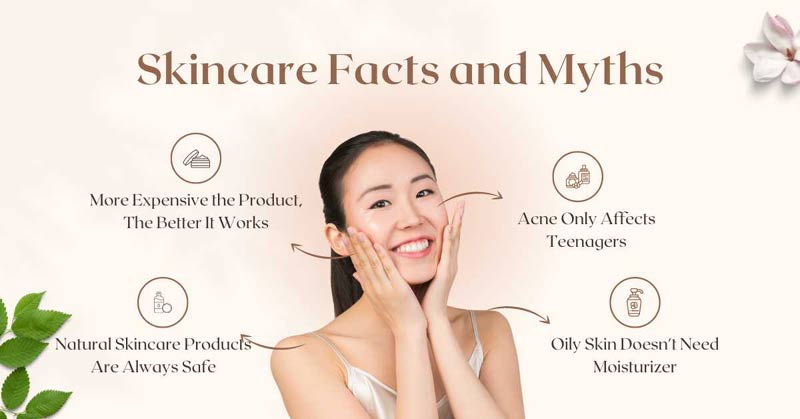
Natural Acne Remedies: Separating Myths from Facts
Acne is a common skin condition affecting millions worldwide, and while there are many treatments available, natural remedies often catch the attention of those looking for cost-effective and chemical-free solutions. However, not every DIY treatment you find online is safe or effective. Let’s dive into the myths and facts about natural acne remedies, and discuss options that are backed by science.
Why People Turn to Natural Remedies
Natural remedies are appealing because they’re accessible and often perceived as gentler than over-the-counter or prescription treatments. Many people prefer these options because they align with a holistic approach to health. But it’s important to remember that ‘natural’ doesn’t always mean ‘better’ or ‘safer.’
Common Myths About Natural Acne Remedies
Myth 1: Lemon Juice Clears Acne
Fact: While lemon juice contains citric acid, which is a type of alpha hydroxy acid (AHA) known to exfoliate skin, applying it directly to acne-prone skin can cause irritation, dryness, and even chemical burns. Lemon juice disrupts the skin’s natural pH balance, making your skin more vulnerable to irritation and sun damage.
Myth 2: Toothpaste Can Dry Out Pimples
Fact: The claim that toothpaste can shrink pimples stems from its drying ingredients like baking soda and hydrogen peroxide. However, toothpaste is designed for teeth, not skin, and the added fragrances and fluoride can cause irritation or worsen acne.
Myth 3: Coconut Oil Is a Great Moisturizer for Acne-Prone Skin
Fact: Coconut oil is highly comedogenic, meaning it can clog pores and worsen acne. While it has antibacterial properties, it’s not suitable for acne-prone skin because of its pore-clogging nature.
Natural Remedies That Are Backed by Science
1. Tea Tree Oil
Tea tree oil is one of the most researched natural remedies for acne. It has antimicrobial and anti-inflammatory properties that can help reduce acne lesions.
How to Use:
- Dilute tea tree oil with a carrier oil like jojoba oil or almond oil (mix 1-2 drops of tea tree oil with 12 drops of carrier oil).
- Apply the diluted mixture to affected areas using a cotton swab.
- Use once daily to avoid irritation.
Scientific Backing: A study published in the Australian Journal of Dermatology found that 5% tea tree oil gel was as effective as 5% benzoyl peroxide at reducing acne lesions, with fewer side effects.
2. Aloe Vera Gel
Aloe vera is known for its soothing and anti-inflammatory properties, making it a gentle option for calming redness and irritation from acne.
How to Use:
- Extract fresh aloe vera gel from the plant or use a store-bought, 100% pure aloe vera gel.
- Apply a thin layer to your face after cleansing.
- Use twice a day.
Scientific Backing: Research published in the Journal of Dermatological Treatment demonstrated that aloe vera combined with tretinoin was effective for treating mild to moderate acne.
3. Honey
Honey has natural antibacterial and anti-inflammatory properties that can help soothe acne and prevent infection in pimples.
How to Use:
- Use raw, unprocessed honey (Manuka honey is a great option).
- Apply a thin layer to your face or directly onto breakouts.
- Leave it on for 10-15 minutes, then rinse with warm water.
Scientific Backing: A study in the Asian Pacific Journal of Tropical Biomedicine highlighted honey’s ability to inhibit the growth of acne-causing bacteria like Propionibacterium acnes.
Lifestyle Adjustments to Complement Natural Remedies
Natural remedies for acne work best when combined with healthy lifestyle habits. Here are some actionable tips:
1. Stay Hydrated
Drinking plenty of water helps flush out toxins and keeps your skin hydrated, reducing the risk of clogged pores.
2. Maintain a Balanced Diet
Consume foods rich in zinc, omega-3 fatty acids, and antioxidants, which are known to support skin health. Avoid excess sugar and dairy, which may contribute to acne for some people.
3. Practice Good Skin Hygiene
Wash your face twice a day with a gentle cleanser. Avoid over-cleansing, which can strip your skin’s natural oils and lead to irritation.
4. Manage Stress
Stress triggers hormonal changes that can worsen acne. Incorporate stress-reducing activities like yoga, meditation, or exercise into your routine.
When to See a Dermatologist
While natural remedies can be helpful for mild acne, moderate to severe acne often requires professional treatment. If your acne persists despite trying these remedies, or if it’s causing scarring or emotional distress, consult a dermatologist for a tailored treatment plan.
Final Thoughts
Natural remedies can complement your acne skincare routine, but not all DIY treatments are effective—or safe. It’s crucial to rely on remedies backed by science and use them properly to avoid irritation or worsening your acne. Combine these treatments with a healthy lifestyle and consult a dermatologist for severe cases. Remember, clearer skin is achievable with the right approach and patience.
Key Takeaways
- Avoid popular myths like using lemon juice, toothpaste, or coconut oil for acne.
- Stick to scientifically supported remedies like tea tree oil, aloe vera, and honey.
- Pair natural treatments with healthy lifestyle choices to maximize results.
By taking these steps, you’ll be well on your way to managing acne naturally and effectively!