Introduction
Acne is a common skin condition that affects millions of people worldwide, often leading to physical and emotional distress. While there are many over-the-counter and prescription treatments available, some individuals prefer to seek natural remedies due to their gentle approach and minimal side effects. In this blog post, we will explore several natural acne remedies that have been supported by scientific research and provide practical advice on how to incorporate them into your skincare routine.
Understanding Acne
Before diving into natural remedies, it's essential to understand what causes acne. Acne occurs when hair follicles become clogged with oil and dead skin cells, leading to whiteheads, blackheads, or pimples. Factors such as excess oil production, bacteria, hormonal changes, and certain medications can exacerbate the condition.
Natural Remedies for Acne
1. Tea Tree Oil
Tea tree oil is a popular natural remedy known for its antimicrobial properties. Research has shown that a 5% tea tree oil gel is as effective as a 5% benzoyl peroxide lotion for reducing acne lesions, with fewer side effects like dryness and irritation (Carson et al., 2006).
How to Use:
- Dilute tea tree oil with a carrier oil (such as jojoba or coconut oil) in a 1:9 ratio.
- Apply it directly to the affected areas using a cotton swab.
- Use it once or twice daily.
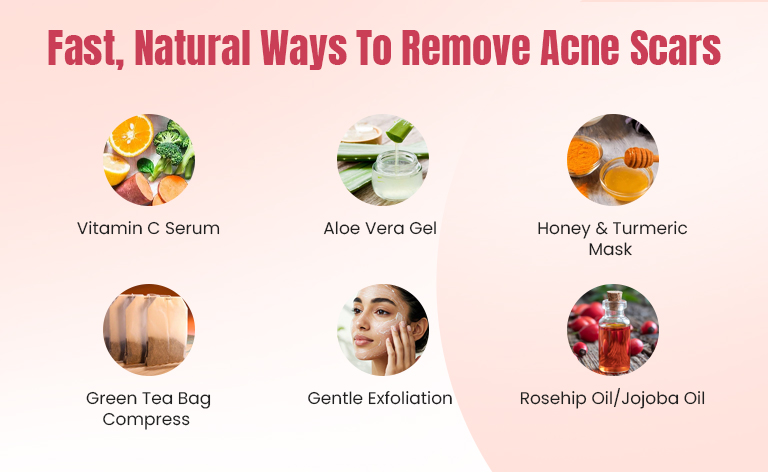
2. Aloe Vera
Aloe vera is known for its soothing and anti-inflammatory properties. A study found that combining aloe vera with tretinoin cream significantly improved acne in participants compared to those who used tretinoin alone (Reuter et al., 2008).
How to Use:
- Use pure aloe vera gel or products containing at least 10% aloe vera.
- Apply it to the entire face after cleansing, as a moisturizer or spot treatment.
3. Honey and Cinnamon Mask
Both honey and cinnamon have antibacterial and anti-inflammatory effects, making them effective against acne-causing bacteria. A study showed that combining honey and cinnamon can reduce acne lesions significantly (Al-Waili et al., 2019).
How to Use:
- Mix 2 tablespoons of honey with 1 teaspoon of cinnamon to form a paste.
- Apply the mask to your face and leave it on for 10-15 minutes.
- Rinse off with warm water and pat your skin dry.
4. Green Tea
Green tea is rich in antioxidants and anti-inflammatory compounds. Topical application of green tea can significantly reduce sebum production and acne lesions (Yoon et al., 2015).
How to Use:
- Brew a cup of green tea and let it cool.
- Use a cotton ball to apply it to your skin or pour it into a spray bottle for easy application.
- Allow it to dry on your skin before rinsing off.
5. Omega-3 Fatty Acids
Omega-3s are known for their anti-inflammatory effects, which can help reduce acne inflammation. A study found that omega-3 supplementation improved acne severity in participants (Jung et al., 2014).
How to Use:
- Incorporate omega-3 rich foods into your diet, such as fish (salmon, mackerel), walnuts, and flaxseeds.
- Consider taking omega-3 supplements, but consult a healthcare provider first.
Conclusion
While natural remedies offer a gentle approach to acne management, it's important to remember that results can vary. It's always a good idea to perform a patch test before trying a new topical treatment to ensure you do not have an adverse reaction. For persistent or severe acne, consulting a dermatologist is recommended to explore a treatment plan tailored to your needs. By incorporating some of these natural methods into your skincare routine, you can work towards achieving clearer, healthier skin.
Remember, patience and consistency are key when it comes to natural acne remedies. Give these options some time to work, and monitor how your skin responds.
Takeaway
Natural acne remedies can be a beneficial addition to your skincare regimen. Explore options like tea tree oil, aloe vera, and dietary changes to enhance your skin's health naturally.