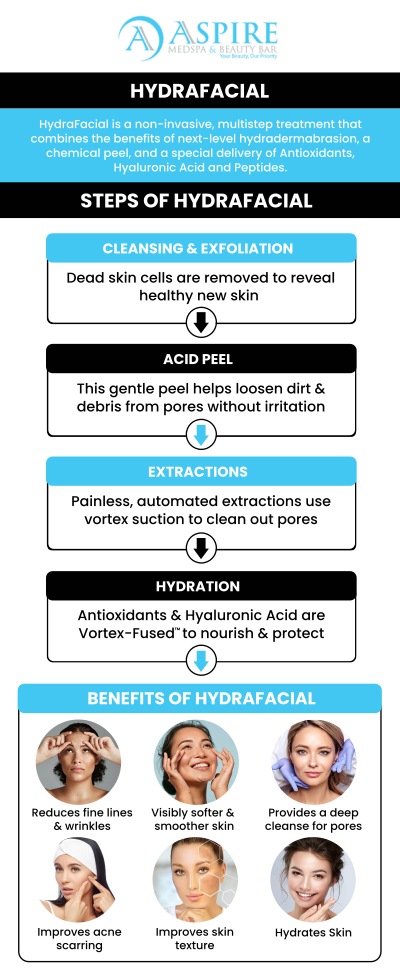
Understanding Acne Extraction
Dealing with acne can be distressing, leading many to consider at-home extraction. However, improper techniques can exacerbate the problem. This guide aims to provide practical advice on the do's and don'ts of acne extraction, especially with a focus on natural remedies.
The Science of Acne Extraction
Acne extraction involves the manual removal of blackheads, whiteheads, or other forms of acne lesions. While professionals often perform these procedures, it is possible to attempt safe extraction at home with proper care. According to the American Academy of Dermatology, improper extraction can cause further complications like scarring or infection.
Do's of Acne Extraction
1. Do Prepare Your Skin
Preparation is key to safe extraction. Start by cleansing your face with a gentle, non-comedogenic cleanser to remove dirt and oil. Following up with a steam treatment can open your pores, making extraction easier and less traumatic to the skin.
2. Do Use the Right Tools
Only use sanitized tools designed for extraction, such as a comedone extractor. Sterilize these tools before and after use with alcohol to prevent bacterial transfer that can lead to infection.
3. Do Follow Proper Technique
If using a comedone extractor, apply gentle pressure around the acne lesion. If the blemish does not release easily, stop and avoid applying additional force. Remember that not all acne types are suitable for extraction at home.
4. Do Soothe Post-Extraction
After extraction, soothe your skin with a calming toner or natural remedies such as aloe vera gel. These help to reduce potential inflammation and promote healing.
Don'ts of Acne Extraction
1. Don't Rush the Process
Patience is crucial. Avoid rushing the extraction process as it can lead to incomplete removal, irritation, or even scarring. Take your time, ensuring each step is followed carefully.
2. Don't Use Your Fingers
Using fingers for extraction is a common mistake. Fingers can introduce bacteria and cause more harm than good. Stick to sterilized tools or leave the task to professionals.
3. Don't Attempt If Unsure
If you are uncertain about the type of acne or how to perform an extraction safely, it’s best to consult a dermatologist. They can provide personalized advice or perform extractions in a controlled, sterile environment.
4. Don't Ignore Aftercare
Aftercare is an essential step that should not be overlooked. Failing to care for your skin post-extraction can lead to irritation or infection. Use a natural antibacterial agent, such as tea tree oil, by diluting it in a carrier oil to reduce bacteria without drying out your skin.
Natural Remedies for Post-Extraction Care
Incorporate these natural remedies into your post-extraction routine:
- Honey: Known for its antibacterial properties, honey can help soothe and heal extracted skin.
- Green Tea: Antioxidant-rich, green tea can reduce swelling and redness post-extraction.
- Witch Hazel: A natural astringent, witch hazel can help tighten pores and cleanse the skin.
Conclusion
While acne extraction can be a useful method to clear certain types of blemishes, it must be done with care and proper technique to avoid adverse effects. Always consider seeking professional advice if you feel uncertain about any steps in the process. In all cases, prioritize your skin's health and be kind to it as you navigate acne management.