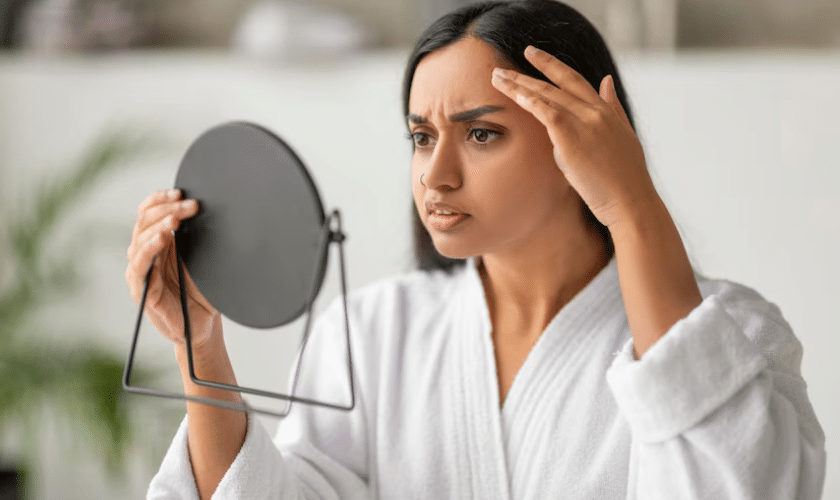
How Stress Impacts Acne: The Science Behind It
Stress doesn’t just weigh on your mind—it also affects your skin. When you’re stressed, your body releases cortisol, commonly referred to as the "stress hormone." Elevated cortisol levels can trigger increased oil (sebum) production by your skin’s sebaceous glands, creating an environment that encourages clogged pores and acne breakouts.
Additionally, stress can lead to inflammation, a key contributor to acne. It also disrupts your skin barrier function, making your skin more prone to irritation and infection. If you’ve noticed your skin flaring up before exams, job interviews, or during periods of emotional strain, stress-related acne may be the culprit.
Recognizing Stress-Related Acne
Stress-related acne doesn’t look much different from regular acne, but it often shows up as:
- Inflammatory acne: Red, swollen, and painful pimples, especially around the lower face (jawline, chin, and cheeks).
- Increased breakouts during stressful periods: If you notice patterns of breakouts following high-stress situations, stress might be the trigger.
- Difficulty healing: Acne caused by stress may linger longer due to slower skin regeneration during stressful times.
Stress Management Techniques to Improve Skin Health
Managing stress isn’t just good for your mental health—it’s also crucial for clear skin. Here are scientifically-backed strategies to reduce stress and minimize acne:
1. Practice Mindfulness and Meditation
Mindfulness techniques, including meditation and deep breathing exercises, have been shown to lower cortisol levels and improve overall wellbeing. Carve out 5–10 minutes daily to focus on deep breaths or use meditation apps to guide your practice.
Actionable Tip: Try box breathing—a simple yet effective technique. Inhale for 4 seconds, hold for 4 seconds, exhale for 4 seconds, and hold again for 4 seconds before repeating.
2. Exercise Regularly
Exercise is a natural stress reliever. Physical activity increases endorphins, the body’s feel-good chemicals, while also helping regulate hormones. Aerobic activities such as jogging, cycling, or yoga can be particularly beneficial for stress relief and skin health.
Actionable Tip: Aim for at least 30 minutes of moderate physical activity 3–5 times a week. Be sure to clean your skin post-exercise to remove sweat and bacteria.
3. Prioritize Sleep
Sleep is vital for healthy skin and stress management. Poor sleep elevates cortisol levels and disrupts skin repair processes, worsening acne. Strive for 7–9 hours of quality sleep every night.
Actionable Tip: Establish a calming bedtime routine. Avoid screens an hour before sleep, use blackout curtains, and consider incorporating soothing activities like reading or listening to calming music.
4. Eat a Balanced Diet
Stress can sometimes lead to poor eating habits, such as overindulgence in sugary or processed foods that exacerbate acne. Focus on whole foods rich in vitamins, minerals, and antioxidants to nourish your skin.
Actionable Tip: Include skin-friendly foods in your diet, such as:
- Omega-3 fatty acids (salmon, walnuts)
- Zinc-rich foods (pumpkin seeds, chickpeas)
- Antioxidants (berries, spinach)
- Probiotics (yogurt, kefir) to support gut-skin health.
5. Manage Your Time Effectively
Feeling overwhelmed by tasks can heighten stress, indirectly worsening acne. Incorporating time management strategies can ease mental pressure.
Actionable Tip: Use tools like planners or apps to schedule tasks and break larger projects into smaller, manageable pieces. This reduces the likelihood of stress-related flare-ups.
Skincare Recommendations for Stress-Induced Acne
While stress management is critical, a good skincare routine can help minimize the impact of stress on your skin. Here’s what to keep in mind:
1. Stick to a Consistent Routine
Consistency is key when dealing with stress-related acne. A simple routine that includes cleansing, moisturizing, and treating acne can help regulate your skin.
Actionable Tip:
- Use a gentle cleanser to avoid further irritation.
- Incorporate acne-fighting ingredients like salicylic acid or benzoyl peroxide to combat clogged pores.
- Apply a non-comedogenic moisturizer to maintain hydration.
2. Avoid Over-Exfoliation
Stress may tempt you to "scrub away" acne, but over-exfoliating can worsen breakouts by damaging your skin barrier.
Actionable Tip: Limit exfoliation to 1–2 times per week using gentle chemical exfoliants like glycolic acid or lactic acid.
3. Consider Stress-Reducing Products
Some skincare products contain soothing ingredients like niacinamide or ceramides to calm inflammation and strengthen the skin barrier.
Actionable Tip: Look for terms like "calming," "soothing," or "stress-relief" in product descriptions and avoid harsh formulas.
When to Seek Professional Help
If stress-related acne persists despite implementing these strategies, it’s time to consult a dermatologist. They may recommend treatments such as prescription topical formulas, oral medications, or therapies to address underlying causes.
Actionable Tip: Don’t wait if acne is significantly affecting your confidence or causing physical discomfort. Dermatologists can provide customized solutions for your skin.
Final Thoughts
Stress-related acne can feel like a double burden—troubling both your mind and your skin. Understanding how stress impacts acne and taking proactive steps to manage it can lead to clearer skin and improved overall wellbeing. Remember, small lifestyle changes can make a big difference over time, so be patient and kind to yourself as you navigate this journey.
By prioritizing stress management, maintaining a healthy skincare routine, and seeking professional help when needed, you can break the cycle of stress-acne and enjoy healthier, happier skin.
--- Have you noticed stress playing a role in your acne? Share your experiences and tips in the comments below!