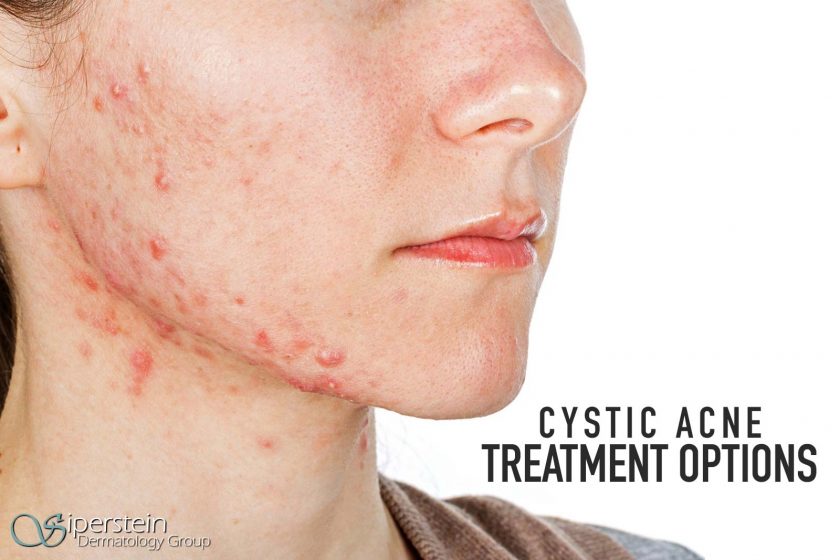
Understanding Sugar's Role in Acne Development
In recent years, there’s been growing interest in understanding how our diet impacts skin health. Among the numerous factors linked to acne breakouts, sugar consumption stands out. But how exactly does sugar affect acne, and is it time to reconsider our sweet tooth?
What Science Says About Sugar and Acne
Scientific research has increasingly suggested a connection between high-sugar diets and acne. The primary culprit is insulin, a hormone responsible for regulating blood sugar levels. Consuming high amounts of sugar spikes insulin levels, which can stimulate the production of androgens (hormones that increase oil production in the skin) and lead to inflammation—both significant contributors to acne.
A study published in the Journal of the American Academy of Dermatology found that individuals who followed a low-glycemic index (GI) diet experienced a noticeable reduction in acne lesions. This suggests that diets high in refined sugars and processed foods may exacerbate acne symptoms.
The Glycemic Index and Its Importance
The concept of the glycemic index is pivotal in understanding sugar’s impact on acne. Foods with a high GI cause rapid spikes in blood sugar and insulin levels. Examples include sugary snacks, white bread, and soft drinks. On the other hand, low-GI foods like whole grains, fruits, and vegetables cause a slower rise in blood sugar.
Incorporating low-GI foods can help stabilize blood sugar levels, potentially reducing acne severity and frequency. This dietary change is not only beneficial for your skin but also supports overall health and well-being.
Practical Tips to Reduce Sugar's Impact on Acne
1. Monitor Your Sugar Intake
Start by tracking the sugar content in your diet. Pay attention to both obvious sources like candies and desserts, and hidden sugars found in processed foods, sauces, and even some savory snacks.
2. Opt for Whole Foods
Whenever possible, choose whole, unprocessed foods that naturally have lower sugar content. Fresh fruits, vegetables, lean proteins, and whole grains should form the cornerstone of your diet.
3. Read Nutrition Labels
Get into the habit of reading nutrition labels. Look for products with lower sugar content and fewer additives. Products with less than 5 grams of sugar per serving are a good starting point.
4. Choose Natural Sweeteners
If you crave sweetness, consider natural alternatives like honey, maple syrup, or stevia. While these should still be consumed in moderation, they offer a less processed option compared to refined sugar.
5. Hydrate Wisely
Sugary drinks are a significant source of added sugars. Opt for water, herbal teas, or infuse your water with lemon or cucumber slices for flavor. Proper hydration supports skin health and reduces the temptation to reach for soda or sugary beverages.
Lifestyle Changes That Complement Diet
In addition to dietary changes, other lifestyle modifications can help manage acne. Regular exercise improves circulation and lowers stress levels, both of which benefit skin health. Furthermore, consistent sleep ensures your body has time to heal and regenerate, potentially reducing acne flare-ups.
Conclusion: Is It Time to Cut Back on Sugar?
While sugar is not the sole cause of acne, it is a significant contributing factor for many individuals. By understanding the relationship between sugar and acne, you can make informed decisions about your diet and lifestyle. Adopting a low-GI diet and implementing practical changes can lead to clearer skin and improved overall health. Remember, moderation is key, and small, consistent changes often yield the best results.
For further guidance, consider consulting a dermatologist or a nutritionist to tailor dietary plans that best suit your skin type and lifestyle.
Share Your Experience
Have you noticed a difference in your skin after reducing sugar intake? Share your journey and tips in the comments below. Let’s support each other in the quest for healthier skin!