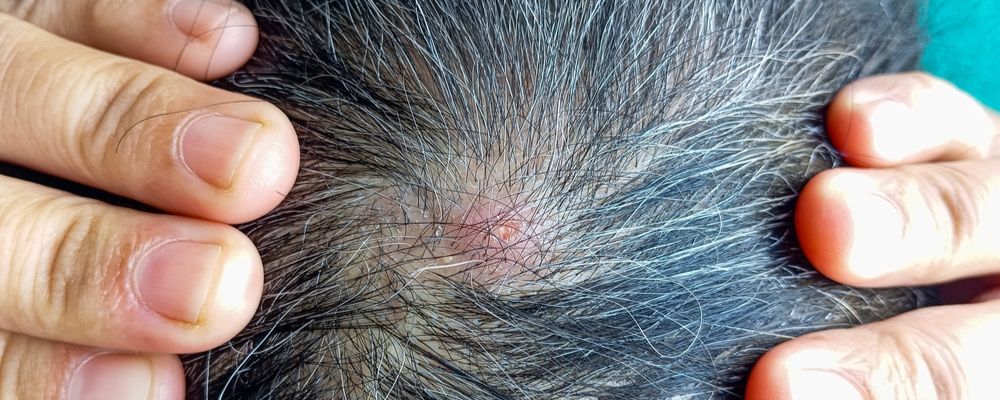
Understanding Acne and Its Triggers
Acne is a common skin condition that affects millions of people worldwide. While factors such as hormones, genetics, and skincare routines play significant roles, diet is an often-overlooked trigger that can exacerbate acne. Among dietary elements, sugar stands out as a major culprit. This article delves into the relationship between sugar and acne, supported by scientific findings, and provides practical tips to manage sugar intake for healthier skin.
The Science Behind Sugar and Acne
Glycemic Index and Insulin Spikes
Sugars, particularly those from high-glycemic-index foods, can cause rapid spikes in blood sugar levels. This, in turn, leads to increased insulin production. Insulin is a hormone that helps regulate blood sugar, but when levels are consistently high, it can lead to a cascade of effects that promote acne:
- Increased Sebum Production: Elevated insulin levels stimulate the production of androgens, hormones that lead to increased oil production in the skin.
- Inflammation: High sugar intake is linked to increased inflammation, which can exacerbate acne by promoting clogged pores.
- Cell Growth and Turnover: Insulin can also increase the production of skin cells, leading to clogged pores and acne lesions.
Case Studies and Research
A study published in the Journal of the Academy of Nutrition and Dietetics found a significant correlation between high-glycemic diets and acne severity. Participants who consumed low-glycemic diets experienced a reduction in acne lesions over a 12-week period, suggesting that reducing sugar intake can have a positive impact on skin health.
Practical Tips for Reducing Sugar Intake
Make Informed Food Choices
- Read Labels: Get into the habit of checking food labels for added sugars. Ingredients ending in "-ose," such as fructose and glucose, are often sugars.
- Opt for Whole Foods: Fresh fruits, vegetables, whole grains, and lean proteins should form the basis of your diet. These foods have lower glycemic indexes and provide essential nutrients that support skin health.
- Swap Out Sugary Drinks: Replace sodas and other sugary beverages with water, herbal teas, or infused water. These options hydrate without the sugar spike.
Meal Planning
- Balanced Meals: Include a mix of protein, healthy fats, and complex carbohydrates in every meal to stabilize blood sugar levels.
- Snack Smart: Choose nuts, seeds, or yogurt over candy or pastries for a satisfying, skin-friendly snack.
Lifestyle Habits to Complement Dietary Changes
Regular Exercise
Exercise helps regulate insulin levels and reduces stress, a known acne trigger. Aim for at least 30 minutes of moderate activity most days of the week.
Consistent Skincare Routine
Adopt a gentle skincare routine that includes cleansing, moisturizing, and protecting your skin from the sun. This supports your body's efforts in managing acne from the outside.
Stress Management
Incorporate stress-reduction techniques like meditation, yoga, or deep-breathing exercises into your daily routine. Stress can exacerbate acne by increasing cortisol levels, which in turn can increase oil production.
Conclusion: Balance is Key
While completely eliminating sugar from your diet may be unrealistic, moderating your intake and making smarter dietary choices can significantly impact your acne and overall skin health. Remember, balance and consistency are crucial, so integrate these tips gradually and observe how your skin responds over time.
By understanding the relationship between sugar and acne, you empower yourself to make informed decisions for clearer, healthier skin. Consult with a dermatologist or a nutritionist to tailor dietary changes to your specific needs.
Tags: ["acne", "sugar", "diet", "skincare", "health"]