How Birth Control Affects Acne: The Complete Guide
Acne isn’t just a teenage problem—it can persist well into adulthood. One common approach to managing acne, especially hormonal acne, is birth control. But how does it work, and is it the right option for everyone? In this article, we’ll delve into how birth control can influence acne, its benefits, potential downsides, and natural alternatives to consider. Let’s uncover the connection between hormones, skin, and health.
How Birth Control Works for Acne
Birth control pills, particularly combination oral contraceptives, contain synthetic versions of two hormones: estrogen and progestin (a synthetic form of progesterone). These hormones regulate your menstrual cycle and can influence how much sebum (oil) your skin produces. Excess sebum is one of the key contributors to acne, as it clogs pores and creates an environment for acne-causing bacteria to thrive.
Here’s how birth control pills help combat acne:
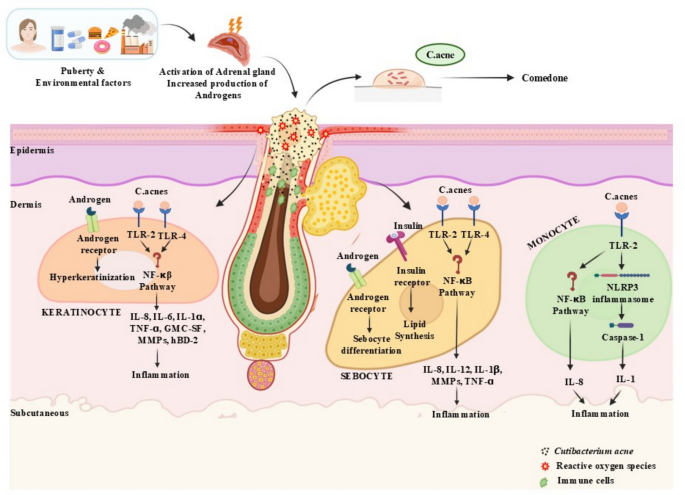
- Reduce Sebum Production: Estrogen in birth control pills suppresses androgens, male hormones that can stimulate the sebaceous (oil) glands. With less androgen activity, your skin produces less oil, which helps prevent clogged pores.
- Regulate Hormonal Fluctuations: Hormonal imbalances, particularly during ovulation or before menstruation, can worsen acne. Birth control pills stabilize hormone levels, reducing the cyclical flare-ups many women experience.
The FDA has approved certain brands of combination birth control pills (e.g., Yasmin, Yaz, and Ortho Tri-Cyclen) for treating acne. However, progestin-only pills (mini-pills) or certain types of progestins may sometimes worsen acne, so it’s essential to consult with a healthcare provider.
The Pros and Cons of Birth Control for Acne
Like any treatment, using birth control for acne has its upsides and downsides. Understanding these can help you make an informed choice.
Pros
- Clearer Skin: Many women notice a significant improvement in acne after a few months of using birth control.
- Cycle Regulation: Birth control pills can regulate menstrual cycles and reduce symptoms of premenstrual syndrome (PMS), which may provide additional skin benefits.
- Convenience: For those already using birth control for contraception, it’s a two-in-one solution.
Cons
- Potential Side Effects: Common side effects include nausea, weight changes, mood swings, and spotting. Rarely, birth control pills can increase the risk of blood clots, especially in smokers or women over 35.
- Not a Quick Fix: It may take 2-3 months to see improvements, and acne could flare up initially as your body adjusts.
- Temporary Solution: Once you stop taking birth control, acne may return if the underlying hormonal imbalance persists.
- Unsuitable for Everyone: Birth control isn’t recommended for women with specific medical conditions, such as uncontrolled high blood pressure or a history of blood clots.
Natural Alternatives for Hormonal Acne
For those who prefer a more natural approach or cannot use birth control, there are several effective ways to balance hormones and address acne. Here’s what you can try:
1. Focus on a Hormone-Balancing Diet
What you eat has a profound impact on your hormones and skin health. Aim for:
- Low-Glycemic Foods: High-glycemic foods (like white bread, sugary snacks, and soda) spike insulin levels, which can trigger androgen production and worsen acne. Opt for whole grains, vegetables, and legumes instead.
- Healthy Fats: Omega-3 fatty acids, found in fatty fish, flaxseeds, and walnuts, help reduce inflammation and regulate hormones.
- Avoid Dairy: Some studies link dairy to hormonal acne, possibly due to the hormones in milk. Experiment with reducing or eliminating dairy to see if it helps.
2. Support Your Liver
Your liver plays a critical role in metabolizing hormones. To support liver detoxification:
- Drink plenty of water.
- Include detoxifying foods like leafy greens, broccoli, and green tea.
- Limit alcohol and processed foods.
3. Incorporate Herbal Remedies
Certain herbs have been shown to support hormonal balance and improve acne:
- Vitex (Chasteberry): Known for regulating menstrual cycles and reducing acne tied to hormonal fluctuations.
- Spearmint Tea: Drinking spearmint tea daily may reduce androgen levels and improve acne.
- Zinc Supplements: Zinc helps reduce inflammation and supports skin healing. Aim for 15-30 mg daily, but consult your doctor first.
4. Manage Stress
Chronic stress can disrupt hormonal balance and trigger acne. Incorporate stress-reducing practices such as mindfulness, yoga, or meditation. Getting enough sleep (7-8 hours per night) is also crucial for hormonal health.
5. Choose Non-Comedogenic Skincare
While addressing acne internally is key, don’t forget about your skincare routine. Use non-comedogenic (non-pore-clogging) products, avoid harsh cleansers, and incorporate acne-fighting ingredients like salicylic acid or benzoyl peroxide.
When to See a Dermatologist
If your acne is severe, persistent, or causing emotional distress, it’s a good idea to consult a dermatologist. They can help determine whether hormonal treatments, such as birth control, or other medical therapies (e.g., spironolactone, isotretinoin) are appropriate for you.
Final Thoughts
Birth control can be a game-changer for some acne sufferers, particularly those dealing with hormonal acne. However, it’s not a one-size-fits-all solution. Understanding your body, weighing the pros and cons, and exploring natural remedies can help you make the best decision for your skin and overall health.
Whether you choose birth control, natural remedies, or a combination of both, consistency is key. Take small steps, and remember that clearer skin is a journey, not an overnight fix. Your skin—and confidence—will thank you for it!
Have you tried birth control or natural remedies for acne? Share your experience in the comments below!