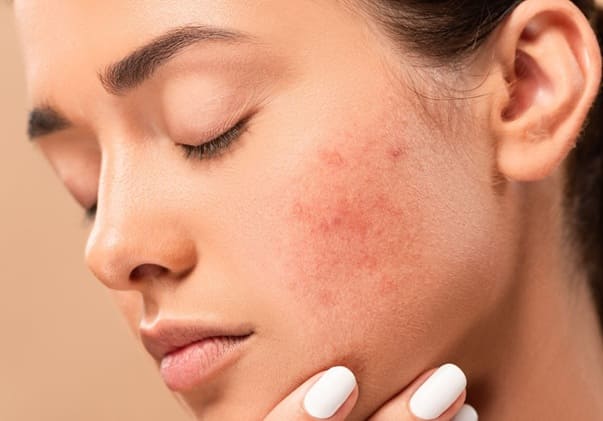
Understanding Hormonal Acne
Hormonal acne is a common concern affecting many individuals, especially during their teenage years and adulthood. But what exactly is hormonal acne, and why does it occur? In this post, we'll dive into the causes, offer solutions, and provide actionable tips to help you manage and reduce breakouts.
What Causes Hormonal Acne?
Hormonal acne is primarily the result of fluctuations in hormones, particularly androgens such as testosterone. These hormones can increase the production of sebum, the oily substance that keeps our skin lubricated. An excess of sebum can block hair follicles, leading to acne.
Common Triggers
- Puberty: During puberty, both males and females experience a surge in hormones, which can lead to increased sebum production and acne.
- Menstrual Cycle: Many women notice a flare-up in acne just before their period due to hormonal fluctuations.
- Polycystic Ovary Syndrome (PCOS): This condition can lead to elevated androgen levels, resulting in acne.
- Stress: Stress leads to the release of cortisol, which can exacerbate hormone fluctuations and worsen acne.
Scientific Insights
According to a study published in the Journal of the American Academy of Dermatology, hormonal fluctuations significantly contribute to acne by influencing oil production in skin glands. These fluctuations often occur naturally due to physiological processes like menstruation or can be exacerbated by lifestyle factors.
Solutions for Hormonal Acne
Finding the right treatment for hormonal acne involves a combination of lifestyle changes, skincare routines, and sometimes medical intervention.
1. Skincare Routine
- Gentle Cleansing: Use a mild cleanser twice daily to remove excess oil and prevent pore blockage.
- Non-comedogenic Products: Opt for makeup and skincare products labeled as non-comedogenic to avoid clogging pores.
- Exfoliate Regularly: Use a gentle exfoliant containing salicylic acid to help clear dead skin cells and prevent breakouts.
2. Dietary Adjustments
- Balanced Diet: Incorporate foods rich in antioxidants like fruits and vegetables to help combat inflammation.
- Limit Dairy and Sugar: Some studies suggest that high dairy and sugar intake may exacerbate acne, so it's worth monitoring your consumption.
3. Stress Management
Engage in activities that reduce stress, such as yoga, meditation, or regular exercise, to help regulate hormone levels.
4. Medical Treatments
- Oral Contraceptives: These can help regulate hormones and are often prescribed for women with hormonal acne.
- Anti-androgen Drugs: Medications like spironolactone can help reduce androgen levels and are prescribed in certain cases.
- Topical Treatments: Retinoids and benzoyl peroxide are effective for managing acne and can be used in conjunction with other treatments.
Consulting a Dermatologist
If your hormonal acne is severe or persists despite following these tips, consulting a dermatologist is crucial. They can provide tailored advice and may prescribe medications that are more effective for your specific condition.
Conclusion
While hormonal acne can be challenging, understanding its causes and exploring various solutions can significantly improve your skin health. Implement these strategies, and remember that patience and consistency are key. If needed, seek professional advice to tailor your approach for the best outcomes.
Final Thoughts
Don't let hormonal acne dictate your confidence. With the right approach and support, clear skin is achievable. Continue exploring, adapting, and consulting as needed to find the best regimen for you.
Remember, every skin type is unique, and what works for one person may not work for another. Always patch-test new products and consult with healthcare professionals when necessary.