Understanding Hormonal Acne: Causes and Solutions
Hormonal acne is a frustrating and often stubborn condition that affects countless individuals, particularly women. If your breakouts seem to coincide with your menstrual cycle or flare up during times of stress, hormonal fluctuations could be the culprit. But what causes hormonal acne, and how can you address it naturally? In this blog post, we’ll explore the science behind hormonal acne and share actionable, natural solutions to help you achieve clearer, healthier skin.
What is Hormonal Acne?
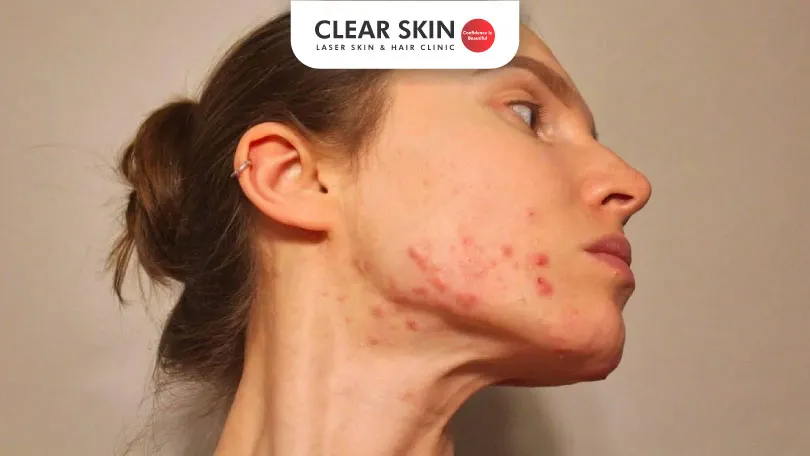
Hormonal acne occurs when fluctuations in hormones—such as androgens (testosterone)—trigger the production of excess sebum (oil) in the skin. This excess oil can clog pores, leading to pimples, blackheads, whiteheads, and cysts. Hormonal acne often appears on the lower face, including the jawline, chin, and neck, but can also affect other areas like the chest or back.
While hormonal acne can occur at any age, it’s most common during:
- Teenage years: Due to puberty-related hormonal changes.
- Menstrual cycle: Many women experience premenstrual acne flare-ups.
- Pregnancy: Hormonal shifts during pregnancy can trigger acne.
- Perimenopause or menopause: Declining estrogen levels can exacerbate breakouts.
Key Causes of Hormonal Acne
Excess Androgen Production: Androgens, such as testosterone, stimulate oil glands in the skin. When androgen levels spike, your skin produces more sebum, increasing the risk of clogged pores and acne.
Inflammation: Hormonal fluctuations can also trigger inflammation, contributing to redness and swelling in breakouts.
Stress: Stress elevates cortisol, which can disrupt your hormones and worsen acne.
Diet: Certain foods—especially those with a high glycemic index, such as refined sugars and processed carbs—may exacerbate hormonal acne by affecting insulin levels and indirectly influencing hormone production.
Gut Health: Poor gut health can disrupt hormonal balance, as the gut and skin are closely interconnected via the gut-skin axis.
Natural Remedies for Hormonal Acne
Treating hormonal acne naturally involves addressing its root causes while supporting overall skin health. Below are evidence-backed lifestyle changes and remedies you can try.
1. Balance Your Hormones Naturally
- Maintain a Healthy Diet: Focus on anti-inflammatory foods like leafy greens, berries, fatty fish, and nuts. Avoid high-glycemic foods, dairy, and processed sugars, which may trigger hormonal acne.
- Incorporate Omega-3 Fatty Acids: Omega-3s (found in flaxseeds, walnuts, and fish oil) have been shown to reduce inflammation and support hormone regulation.
- Support Gut Health: Eat probiotic-rich foods like yogurt, kimchi, or sauerkraut to enhance gut health, which is vital for hormonal balance.
2. Reduce Stress Levels
Stress is a major contributor to hormonal imbalance. Try these stress-reduction techniques:
- Practice Mindfulness: Meditation, yoga, and deep breathing exercises can help lower cortisol levels.
- Get Adequate Sleep: Poor sleep disrupts hormone production. Aim for 7-9 hours of quality sleep per night.
- Engage in Relaxing Activities: Hobbies like painting, reading, or walking outdoors can help keep stress in check.
3. Herbal Remedies
Certain herbs may help regulate hormonal imbalances naturally:
- Spearmint Tea: Studies suggest spearmint tea can lower androgen levels, reducing hormonal acne.
- Vitex (Chasteberry): Vitex is commonly used to balance hormones in women, especially those with menstrual-related acne.
- Evening Primrose Oil: Rich in gamma-linolenic acid (GLA), this oil can help regulate hormone-related skin issues.
4. Adopt a Gentle, Consistent Skincare Routine
Your skincare routine plays a vital role in managing acne. Choose products tailored to acne-prone skin:
- Cleanse Gently: Use a sulfate-free cleanser to remove dirt and oil without stripping your skin.
- Exfoliate Regularly: Try natural, gentle exfoliants like salicylic acid (derived from willow bark) to unclog pores and reduce inflammation.
- Moisturize and Protect: Use a non-comedogenic moisturizer and always wear sunscreen to protect your skin from UV damage.
- Spot Treatment: Try natural remedies like diluted tea tree oil or aloe vera, which have antibacterial and anti-inflammatory properties.
5. Support Your Body’s Detoxification
Improving liver function can help your body process and eliminate excess hormones. Simple ways to support detoxification include:
- Drink Enough Water: Staying hydrated aids your body in flushing out toxins.
- Eat Cruciferous Vegetables: Broccoli, cauliflower, and kale contain compounds that promote liver detoxification.
- Consider Supplements: Magnesium, zinc, and B vitamins support your body’s ability to regulate hormones.
When to Seek Professional Help
While natural remedies can be effective, persistent or severe hormonal acne may require professional intervention. If your acne doesn’t respond to lifestyle changes or worsens, consult a dermatologist or healthcare provider. They may recommend treatments like topical retinoids, oral medications, or hormonal therapies tailored to your needs.
Final Thoughts
Hormonal acne can feel overwhelming, but understanding its causes and adopting natural solutions can make a significant difference. Healthy lifestyle choices, stress management, and a consistent skincare routine can pave the way to clearer, more confident skin. Remember, patience is key—natural remedies often take time to show results. Stick to these tips, and don’t hesitate to seek professional advice when needed.
If you’ve tried any of these remedies or have your own tips, share them in the comments below! Let’s build a community of support and encouragement for those dealing with hormonal acne.
Additional Resources
- Learn More: Explore our guide on balancing hormones through diet.
- Skincare Tips: Read our blog on creating the perfect routine for acne-prone skin.