Hormonal Acne: Causes and Solutions
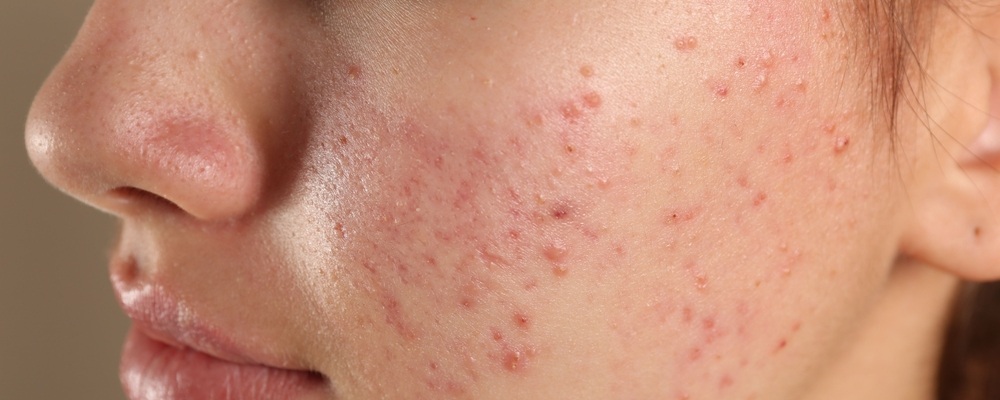
Hormonal acne is a common yet frustrating skin condition that affects millions of people, particularly during their teenage years, menstruation, pregnancy, or menopause. But what exactly causes hormonal acne, and how can you effectively manage it? Let’s unpack the science, bust a few myths, and dive into actionable solutions to help you take control of your skin.
The Science Behind Hormonal Acne
Hormonal acne is triggered by fluctuations in hormones, primarily androgens like testosterone. These hormones can overstimulate the skin’s sebaceous (oil) glands, leading to excess oil production. Combined with dead skin cells and bacteria (most notably Cutibacterium acnes), this creates the perfect storm for clogged pores and inflamed acne lesions.
Hormonal acne typically appears in specific areas: the jawline, chin, and lower cheeks. These areas have a higher concentration of oil glands that are sensitive to hormonal changes. While it’s most common in women, men can also experience hormonal acne due to similar androgen fluctuations.
Myths About Hormonal Acne
Let’s clear up some common misconceptions about hormonal acne:
Myth 1: Hormonal acne only happens to teenagers.
Fact: Hormonal acne can occur at any age. It’s common in adult women due to menstruation, pregnancy, and conditions like PCOS (polycystic ovary syndrome).
Myth 2: Poor hygiene causes acne.
Fact: While cleansing is essential, acne is not caused by dirt. Hormonal fluctuations play a much larger role. Overwashing can actually irritate your skin and worsen breakouts.
Myth 3: Chocolate and greasy foods cause acne.
Fact: The relationship between diet and acne is complex. While certain foods like high-glycemic-index carbs and dairy may aggravate acne for some people, they are not direct causes.
Identifying Hormonal Acne
How do you know if your acne is hormonal? Here are some key signs:
- Timing: Breakouts worsen during menstruation, pregnancy, or menopause.
- Location: Acne is concentrated along the jawline, chin, and lower cheeks.
- Type of Lesions: Hormonal acne often includes cystic acne—painful, deep, and inflamed pimples.
- Resistance to Over-the-Counter Treatments: Regular acne treatments like benzoyl peroxide may not work effectively.
If you suspect your acne is hormonal, it’s essential to consult a dermatologist for proper diagnosis.
Science-Backed Solutions for Hormonal Acne
Managing hormonal acne requires a combination of skincare, lifestyle changes, and in some cases, medical treatments. Here’s what works:
1. Topical Treatments
- Retinoids: Prescription-strength retinoids (like tretinoin) or over-the-counter options (like adapalene) help unclog pores and reduce inflammation.
- Azelaic Acid: A gentle ingredient that combats bacteria, reduces redness, and evens skin tone. Perfect for sensitive skin.
- Salicylic Acid: This beta-hydroxy acid exfoliates inside the pores, preventing clogs.
2. Hormonal Therapies
- Birth Control Pills: Oral contraceptives containing estrogen and progestin can help regulate hormonal fluctuations that cause acne.
- Spironolactone: A medication that blocks androgen receptors, reducing oil production. Often prescribed for women with hormonal acne.
3. Dietary Adjustments
While diet alone doesn’t cause acne, certain changes may help:
- Reduce High-Glycemic Foods: Foods like white bread, sugary snacks, and soda can spike insulin levels, potentially worsening acne. Opt for whole grains and low-GI foods instead.
- Limit Dairy: Some studies suggest that dairy, particularly skim milk, may exacerbate acne in susceptible individuals.
- Incorporate Anti-Inflammatory Foods: Add omega-3 fatty acids (found in salmon, walnuts, and flaxseeds) to your diet—they may help reduce overall inflammation.
4. Skincare Routine
Consistency is key! A simple yet effective routine includes:
- Gentle Cleanser: Use one with salicylic acid or tea tree oil for extra acne-fighting power.
- Moisturizer: Non-comedogenic options like hyaluronic acid or ceramide-based products keep skin hydrated without clogging pores.
- Sunscreen: Acne treatments often increase skin sensitivity, so daily SPF 30+ is a must.
5. Medical Therapies
Severe hormonal acne may require advanced treatments:
- Isotretinoin (Accutane): A powerful medication for stubborn, cystic acne.
- Chemical Peels or Laser Therapy: Effective for deep acne scars or discoloration caused by hormonal acne.
Lifestyle Tips for Clearer Skin
In addition to medical and skincare solutions, these lifestyle tweaks can make a difference:
- Manage Stress: High cortisol levels can worsen hormonal imbalances. Practice yoga, meditation, or other stress-relief techniques.
- Get Enough Sleep: Poor sleep disrupts hormonal regulation. Aim for 7–9 hours nightly.
- Avoid Over-Exfoliating: Be gentle with your skin. Over-exfoliation can strip your skin barrier and irritate acne-prone skin.
When to See a Dermatologist
If hormonal acne is impacting your confidence or isn’t responding to over-the-counter treatments, it’s time to consult a dermatologist. They can diagnose your condition and recommend personalized treatments that work for your skin type and hormone profile.
Final Thoughts
Hormonal acne can feel like an uphill battle, but with the right combination of treatments, skincare, and lifestyle changes, clear skin is achievable. Remember, patience is key—most treatments take 6–8 weeks to show visible results. Don’t hesitate to seek professional help for stubborn acne. Your skin deserves the best care!
If you found this guide helpful, feel free to share it with others who might be struggling with hormonal acne. Your journey to clearer skin starts here!